Best Temples in Vietnam
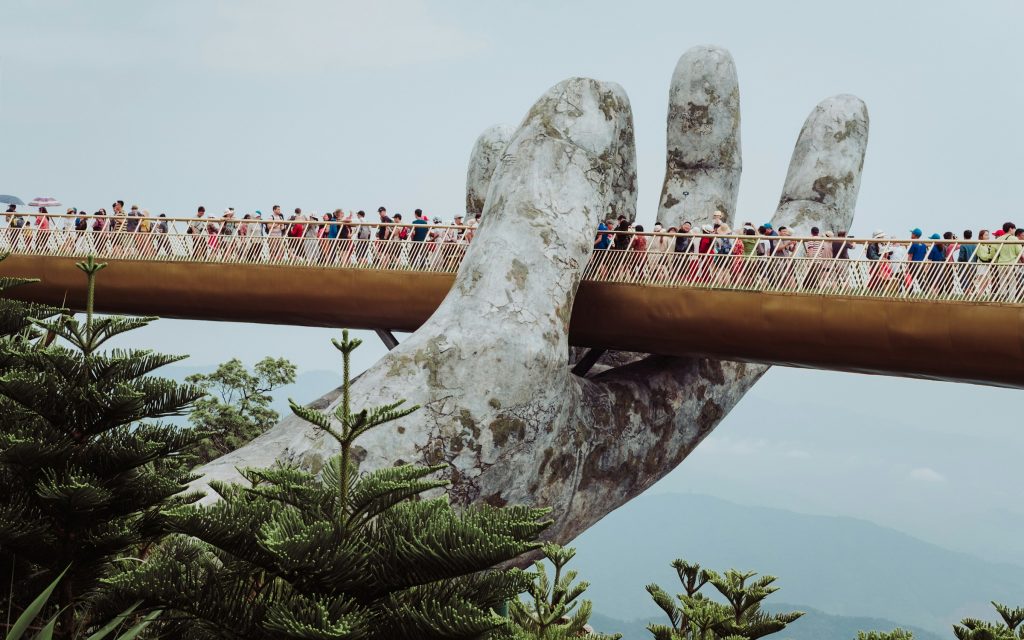
Vietnamese temples aren’t “one category” — they’re a whole set of different worlds: Buddhist pagodas on lakes and in the mountains, Confucian sanctuaries in the old capitals, and also ancient Cham temple complexes. We’ve put together places that are truly worth seeing on your first trip — how to get there, when to come, and which rules of etiquette matter.
What to Choose for Your First Trip?
If you’re searching for famous temples in Vietnam, these are the most straightforward “first trip” picks.
The most famous in Vietnam
- One Pillar Pagoda (Chùa Một Cột), Hanoi — small, but iconic: the “that famous” one-pillar temple.
- Temple of Literature (Văn Miếu), Hanoi — beautiful, calm, and one of the best historic complexes in the capital.
- Thiên Mụ Pagoda, Huế — a recognizable riverside pagoda: people come here for the views and the old-Huế atmosphere.
The most atmospheric
- Perfume Pagoda (Chùa Hương), near Hanoi — not a single temple, but a whole outing: boat ride + trail + shrines inside caves.
- Yên Tử (mountain and pagodas), Quảng Ninh — when you want “upwards” and silence: a mountain complex where the journey itself matters.
- Mỹ Sơn Sanctuary, Quảng Nam — ancient ruins in lush greenery: it feels like a place where time has stopped.
The oldest
- Trấn Quốc Pagoda, Hanoi — one of the oldest pagodas in the city.
- Mỹ Sơn Sanctuary — not a pagoda, but an ancient Champa temple complex (basically archaeology).
- Cham pagodas/towers in central Vietnam — if you’ll be in that region, it’s worth picking at least one.
If you’re short on time
The easiest option is Hanoi + nearby:
- Trấn Quốc (quick and scenic on the lake)
- One Pillar (a symbol, 15-30 minutes)
- Temple of Literature (an hour to an hour and a half, unhurried)
The best in the capital (or very close):
- Trấn Quốc Pagoda (Hanoi)
- Temple of Literature (Hanoi)
Beyond the tourist classics:
- Yên Tử — not just a “checklist” stop, but a genuinely strong experience if you like mountains and quiet places.
- Temple spots in Ninh Bình — people usually go for the landscapes, and the temples come as a great bonus (and without the capital’s bustle).
Plan for 2-3 full days — enough to see the highlights without turning the trip into a marathon.
Vietnam’s Top Temples Worth Visiting
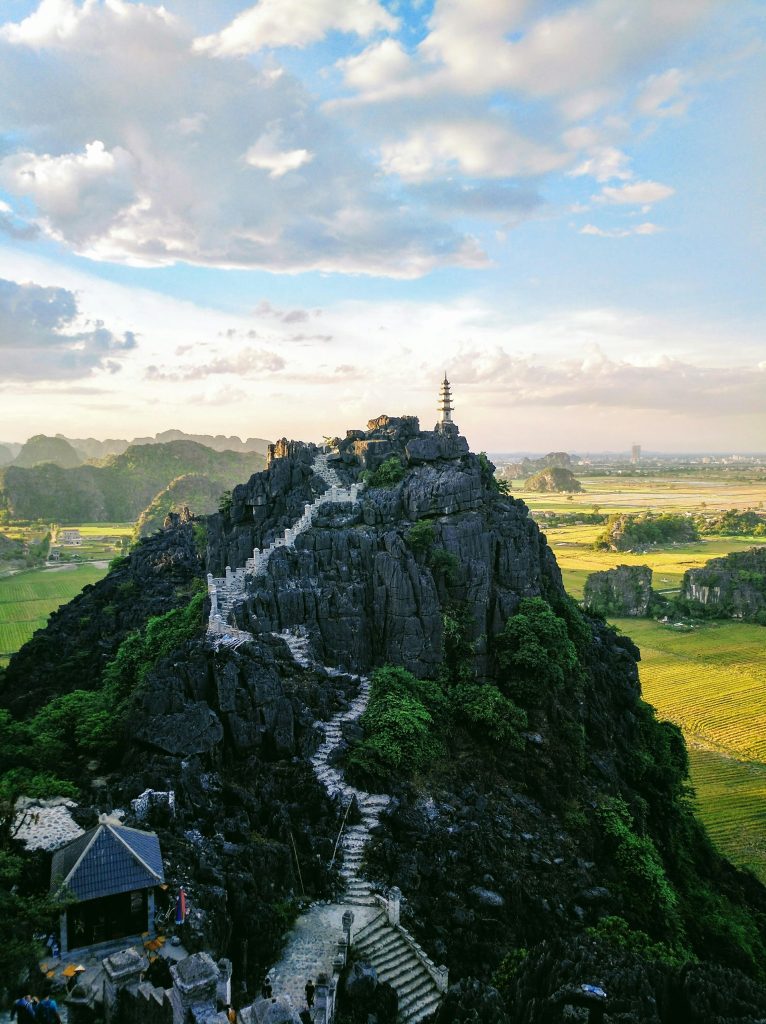
1. Trấn Quốc Pagoda (Chùa Trấn Quốc)
One of Hanoi’s oldest pagodas, set on a small islet on Tây Hồ (West Lake) — so the “view” works instantly: water, a quiet setting, and a very photogenic scene. Getting here is as easy as it gets: it’s a regular city stop — take Grab/taxi, or use public transport to the lake area. The nicest time to visit is early morning or around sunset, and if you can choose, go on a weekday — it’s noticeably less crowded.
- How much time to plan: usually 30-60 minutes is enough
- Tickets/donation: entry is usually free; donations are welcome (optional).
2. One Pillar Pagoda (Chùa Một Cột)
This is a small, symbolic “one-pillar” temple that people usually see quickly — more of a must-see stop than a long visit. A tiny shrine on a single column — that famous shot everyone has seen in photos. The easiest way to get there is by Grab/taxi or by bus, getting off near the Mausoleum area and taking a short walk to the pagoda.
- How much time to plan: usually 10-30 minutes
- Tickets/donation: inexpensive/symbolic, or donations — it depends on the entrance zone of the complex (it’s usually clear on site).
3. Temple of Literature (Văn Miếu — Quốc Tử Giám)
If you want a place that still “works” even without a guide, Văn Miếu is one of the best options: it’s a temple complex with courtyards, gates, and a calm atmosphere right inside the city. The logistics are simple — it’s in central Hanoi, easy to reach by Grab/taxi or even on foot as part of a day in town.
- How much time to plan: 1-2 hours
- Tickets/donation: daytime entry 8:00-17:00, and the daytime price is often listed around 30,000 VND; there are also separate evening/night programs (shows/night tours) with different pricing, and they’re not the default. So for a regular daytime visit, plan around the daytime ticket, and treat evening activities as an optional add-on.
North: day trips from Hanoi (if you want “more than just the city”)
4. Perfume Pagoda (Chùa Hương)
This isn’t a quick “pop into a temple” stop — it’s a full outing: travel from Hanoi + a boat ride along a stream/river + climbs up to shrines (part of the route can be made easier with a cable car). In practice, people go either on a day tour or independently (but on-site you’ll still be using a boat, and sometimes an electric cart and/or the cable car). It’s best to arrive in the morning and, if possible, on a weekday — weekends and peak periods get noticeably busier.
- How much time to plan: allow half a day to a full day — logistics take up the biggest part.
- Tickets/donation: on-site costs are usually split into several parts (entry/boat/cable car), and tours often list ballpark prices for the boat and cable car separately.
5. Bái Đính Pagoda (Chùa Bái Đính), Ninh Bình
A huge temple complex that’s often combined with a Ninh Bình trip: it’s easy to do as a 1-2 day getaway from Hanoi, or to visit from a base in Ninh Bình. The visit itself is straightforward: go on your own by transfer/taxi/Grab, or as part of a regional tour. Hours are generally broad during the day (roughly from morning until late evening), but it’s still best to go in the morning.
- How much time to plan: 2-3 hours (longer if you like to walk without rushing).
- Tickets/donation: entry to the main complex is usually free, but inside people often use paid add-ons like an electric cart and tickets for specific sites (for example, a tower/stupa).
Central Vietnam: Huế and Nearby
6. Thiên Mụ Pagoda (Chùa Thiên Mụ), Huế
Thiên Mụ is one of Vietnam’s most recognizable pagodas. It sits by the river, fits easily into a day in Huế, and “reads” well even if you don’t dive deep into the history. The logistics are simple: it’s about 5 km from central Huế, and most people get there by Grab/taxi/scooter, sometimes pairing it with other stops for the day. Timing follows the same logic: early morning or late afternoon/early evening — midday is hotter and usually more crowded.
- How much time to plan: 45-90 minutes (you can do it faster).
- Tickets/donation: free entry, donations are welcome; and again, it’s best to go early or closer to evening, since midday is hotter and busier.
Central Vietnam: Da Nang / Hoi An / Quảng Nam
7. Marble Mountains (Ngũ Hành Sơn), Da Nang
A mix of temples, caves, and stairways inside the “marble” hills: you’re not really going to one temple — you’re walking a route with multiple stops along the way. Getting there is easy: from central Da Nang it’s usually 15-25 minutes by Grab/taxi/scooter, which makes it a perfect half-day trip from Da Nang or Hoi An.
- How much time to plan: 1.5-3 hours (heat and your pace matter a lot).
- Tickets/donation: the main entrance is around 40,000 VND; there may be a separate ticket for Am Phu Cave (about 20,000 VND) and an optional elevator (around 15,000 VND per ride up).
8. Mỹ Sơn Sanctuary (Thánh địa Mỹ Sơn), Quảng Nam Province
An ancient Cham temple complex (more archaeology than a “pagoda”), and it feels very different from city temples — which is exactly why it’s worth adding if you’re around Hoi An/Da Nang. The route is straightforward: most people go on a tour from Hoi An or Da Nang, but you can also do it independently. The drive from Hoi An is usually about 1 hour (give or take). You can visit daily, roughly 6:00-17:00.
- How much time to plan: 2-3 hours on site; with travel time, it’s essentially half a day.
- Tickets/donation: the ticket is about 150,000 VND.
South: Ho Chi Minh City and Nearby
9. Jade Emperor Pagoda (Chùa Ngọc Hoàng), Ho Chi Minh City
Jade Emperor is one of the most atmospheric temple stops in Ho Chi Minh City: the interior is packed with details, the incense smell is intense, and it feels like a “living place” rather than a museum display. Logistics are as simple as it gets — it’s in the city, and most people get there by Grab/taxi. It’s best to go during the day and not right at the very end of visiting hours.
- How much time to plan: 45-90 minutes
- Tickets/donation: free entry, but donations are welcome.
10. Vĩnh Nghiêm Pagoda (Chùa Vĩnh Nghiêm)
A great option if you want to see a temple in the city with zero fuss: easy to stop by, calm to walk around, and it doesn’t feel like a tourist conveyor belt. Getting there is straightforward by Grab/taxi — standard city logistics. The pagoda is open from morning to evening with a midday break (for example 6:30-11:30 and 13:30-19:00), so just don’t plan it for the “lunch-hour” gap.
- How much time to plan: 30-60 minutes
- Tickets/donation: free entry; donations are optional.
Bonus: if you’re in the South and want to see a “different side of Vietnam”
11. Bà Chúa Xứ Temple (Miếu Bà Chúa Xứ), Châu Đốc (Mekong Delta)
This one is less about a “pretty temple for photos” and more about a strong local tradition and pilgrimage culture in the South — the place feels very alive, especially in season. It works best if you’re already planning the Mekong Delta with an overnight stay (or if you’re traveling toward Châu Đốc anyway). During major pilgrimage periods the crowds get much bigger (dates near the end of lunar April are often mentioned — roughly the 24th-27th as a reference), so if a calm visit matters more to you, try to avoid the peak days.
How much time to plan: about an hour on site is often enough; after that it mostly depends on the crowd.
Tickets/donation: free entry, donations are possible.
Temple Routes in Vietnam (How to Build a Trip Without Extra Transfers)
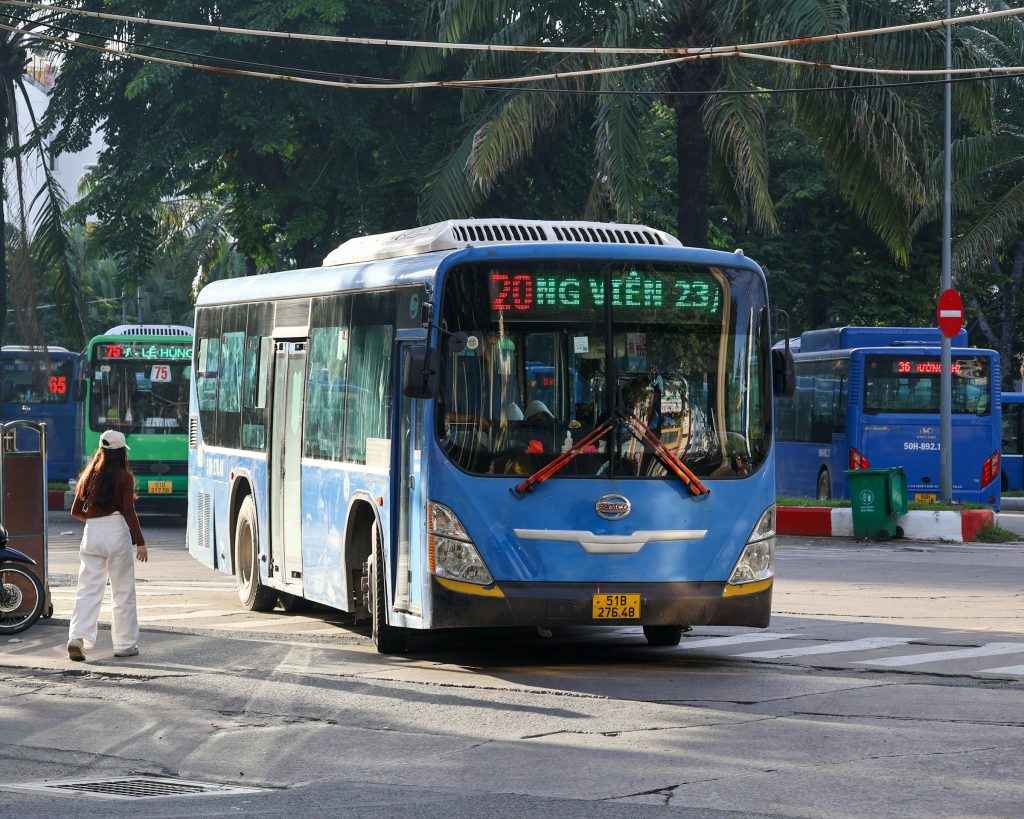
Option A: 3-4 days, one region (the easiest start: the North)
Regions: Hanoi + Ninh Bình (as a one-day trip)
Travel logic: one base in Hanoi → one day trip → back to Hanoi
How many transfers: 2 major legs (Hanoi ⇄ Ninh Bình) + short city rides
Day 1 (Hanoi — “three stops, no rushing”)
Start with Trấn Quốc (it’s calmer by the lake in the morning), then Temple of Literature, and finish with One Pillar Pagoda as a quick “tick-the-box” stop nearby. This is the kind of day where you’re not zigzagging across the whole city — you cover the main places at a comfortable pace.
Day 2 (Ninh Bình — half-day / full-day outing)
Go to Bái Đính Pagoda. The drive is usually around 2-2.5 hours one way (depending on transport and traffic), so it’s realistic to do as a day trip without an overnight stay.
Day 3 (Hanoi — flexible / atmospheric day)
Either revisit the spots you liked (or just walk around West Lake), or — if you want an “adventure-style outing” — plan a full day for Perfume Pagoda (Chùa Hương) (the logistics are longer: travel + boat + climbs).
Day 4 (if you have it)
Keep it as a buffer — for weather, fatigue, or one more calm temple visit “with no plan.”
Best place to base yourself: Hanoi (a central area where it’s easy to call a Grab quickly).
Option B: 7-10 days, the classic first-trip route (North → Central → South)
Regions: Hanoi → (Ninh Bình) → Huế/Da Nang/Hội An → Ho Chi Minh City
Travel logic: 3 bases: Hanoi (North) → Hội An/Da Nang (Central) → Ho Chi Minh City (South)
How many transfers: 2-3 major ones (flights/train) + local day trips
Base 1: Hanoi (2-3 days)
- One day for the city temples: Trấn Quốc + Temple of Literature + One Pillar
- Another day (or half a day if you’re very energetic) — a trip to Bái Đính (Ninh Bình); it’s usually 2-2.5 hours one way, so plan an early start.
- If you want one more “wow-format” outing, add Perfume Pagoda as a separate full day.
North → Central transfer (flight)
The most practical jump is Hanoi → Da Nang: it’s one of the easiest hubs for central Vietnam temples and major sights.
Base 2: Central Vietnam (3-4 days), best as Hội An or Da Nang
- Marble Mountains works as a short outing (half a day without pushing it).
- Mỹ Sơn Sanctuary is easiest from Hội An: the drive is usually about 1 hour one way; from Da Nang it often comes closer to 1.5 hours, so if Mỹ Sơn is a priority, basing yourself in Hội An is usually simpler.
- Huế + Thiên Mụ Pagoda can be added as a day trip, but it’ll be a dense day: even by train, Huế ↔ Da Nang is often around 2.5 hours one way on average (plus transfers to/from the station). If you want to see Huế more calmly, it’s better to plan an overnight stay.
Central → South transfer (flight to Ho Chi Minh City)
This is the most sensible way to avoid losing a full day to travel and turning the route into a marathon.
Base 3: Ho Chi Minh City (1-2 days)
- In the city, you can cover two “living” temples with zero complicated logistics: Jade Emperor Pagoda and Vĩnh Nghiêm Pagoda (both are easy by Grab, no day trips needed).
- If you’re planning the Mekong Delta with an overnight stay and want something beyond the tourist classics, add Bà Chúa Xứ Temple (Châu Đốc) as a separate branch (this is not a quick one-hour add-on).
Etiquette and Visiting Rules for Temples in Vietnam

Dress code
In most temples, it’s simple: covered shoulders and knees are the basic rule. It’s the same for men and women — spaghetti-strap tops, very short shorts, and beachwear are a bad idea. If you’re stopping “on the way,” a light shirt/cover-up and thin trousers or a long skirt can save you time and hassle at the entrance.
How to behave inside
A temple isn’t a set — it’s a place where people pray, so keep your voice low, don’t step “into the center of the frame” in front of altars, and don’t block pathways. If there’s a ceremony going on or someone is making offerings, just give them a moment to finish and move on. Shoes: in some places you’re asked to take them off, in others you’re not — check the signs and follow what locals do (when in doubt, it’s safer to remove them).
Photos and video: what’s usually OK / not OK
Outside, photography is almost always fine. Inside, it’s often allowed too, but with a few rules: no flash, no loud talking, and no “posed shots” right next to the altar. Some areas may be marked as no-photo zones — usually with signs, or staff will politely point it out. And if people are praying, avoid filming their faces up close — it’s more respectful and just more human.
If you’re visiting with kids (short and practical)
- The “short visit beats a long one” rule works: it’s hard for kids to stay quiet for an hour, so plan 30-60 minutes and leave while they’re still interested — not when everyone is exhausted.
- Bring water and something light for the heat, especially midday: temple complexes often mean lots of stone and stairs.
- Keep kids close on stairways and old steps: after rain it can be slippery, and cave shrines are often dim.
Practical Tips for Visiting Temples in Vietnam

How to avoid crowds
The most reliable rule is to arrive at opening time. At popular sites, tour groups show up later — and the difference between “8 a.m. vs 10 a.m.” is very real. The second hack is weekdays: even in tourist-heavy cities, it’s noticeably calmer. If you’re traveling in high season and want to avoid the crush, plan temples for the first half of the day, and leave markets/cafés/museums for later.
Weather and footwear
In Vietnam, temple routes often mean stairs, stone, and heat. Wear comfortable shoes with good grip: after rain, steps and tiles can get slippery. In hotter months, visit temples in the morning or closer to evening, and take a break around midday (especially if you have places like mountains/caves ahead). For sudden downpours, a light rain poncho is more useful than an umbrella — it keeps your hands free for stairs.
Accessibility
Many of Vietnam’s “most beautiful” temple stops involve climbs and stairways (mountains, hills, cave shrines, large complexes). If you have knee/back issues or you’re traveling with a small child, plan for:
- more time for climbs and rest breaks,
- the simple strategy of “fewer stops, no rushing,”
- and the option to choose places with easier access (city pagodas are usually simpler than mountain complexes).
Common tourist “scams” near popular sites
No paranoia needed — just a few situations that come up most often:
- The “super helpful guide” you didn’t ask for. Someone starts giving you a “tour” and then asks for money at the end. If you’re not interested, refuse politely right away and repeat a short “no, thanks.”
- Parking/transport “only this way.” You may be told, very confidently, that you must use their parking/ride. Often that’s not true. If you’re using Grab/taxi, it helps to set your drop-off point at the official entrance/ticket area.
- “Mandatory” offerings/charms for sale. Donations are normal, but “mandatory sets” sold at the entrance are often just tourist retail. If you want to donate, do it inside at an official spot; if you don’t, just walk past calmly.
- Overpriced boats/transport in places with water logistics. The simplest move is to confirm what’s included and agree on the price before you get in.
If it’s your first time in Vietnam, don’t try to “see every temple in the country” — it quickly turns into constant transfers and exhaustion. A smarter approach is simple: pick 3-5 places that match your route and your pace. For a short trip, the North works best — Hanoi (city temples) plus one day trip to Ninh Bình. And if you have a week or more, add Central Vietnam (Marble Mountains and Mỹ Sơn) first, and only then the South (a couple of temples in Ho Chi Minh City with easy, no-fuss logistics).