How to Get Around Spain

Spain is one of those countries where transport decisions shape the entire trip. Distances are larger than many visitors expect, and landscapes shift quickly from high-speed rail corridors to island crossings. Pick well and the journey feels fluid. Pick poorly and logistics start eating into time that could be spent exploring.
There are many ways to get around the country, and the best option depends on how many regions you want to cover, the season, and how flexible you want your itinerary to be. This guide explains how to get around Spain in practical terms, comparing real transport options and showing how they fit into typical travel plans so you can avoid unnecessary detours and make smarter routing decisions.
Key Geography and Distances
Spain is a large country where transport works differently by region. The mainland is well connected by high-speed rail and highways between cities like Madrid, Barcelona, Seville, and Valencia. Outside these corridors, travel becomes slower and more regional, often relying on buses or cars instead of direct trains.
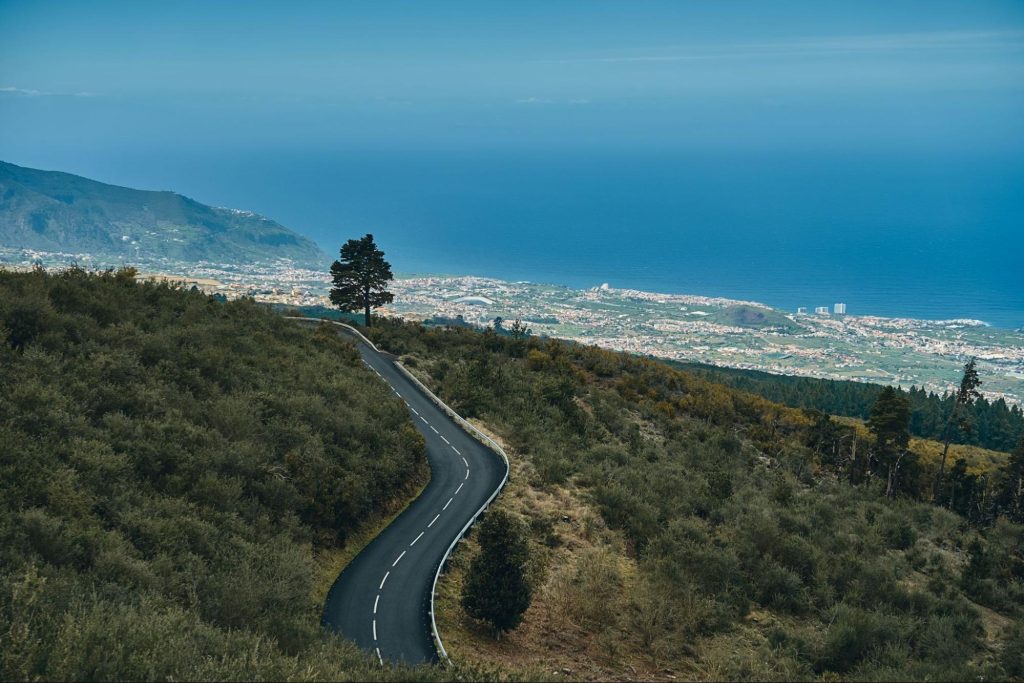
Madrid acts as the main transport hub for both rail and flights, making cross-country travel efficient when routed through the capital. However, regions like Galicia, Asturias, and rural Andalusia often take longer to reach due to indirect routes and winding roads.
Islands add another planning layer. The Balearics are accessible by short flights or ferries, while the Canary Islands function more like a flight-only destination because of their Atlantic location.
Terrain also affects timing. Mountain regions slow down driving and limit rail coverage, while coastal routes can be indirect. Fast itineraries follow transport corridors, while scenic ones require slower pacing.
Comparing Ways to Get Around Spain
Different transport types work best depending on distance, region, and travel style.
Domestic Flights
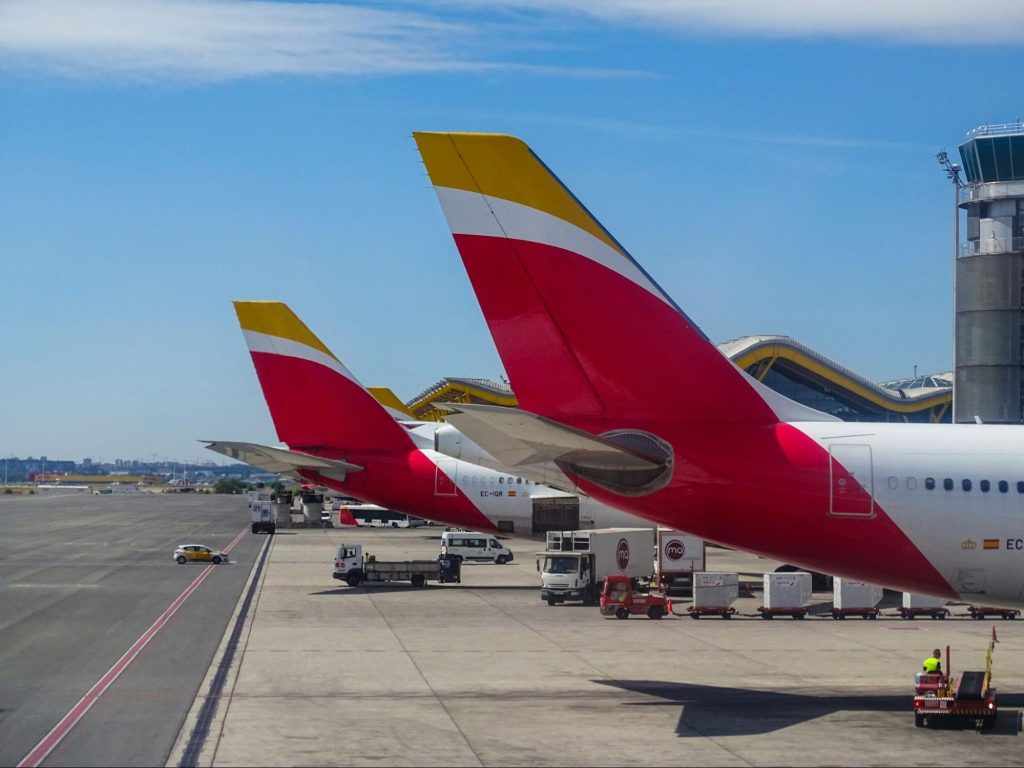
When it fits
- Long distances
- Mainland to islands
- Saving time on multi-region trips
Pros
- Fast across the country
- Essential for Canary Islands
- Good value if booked early
Cons
- Airport transfers add time
- Strict baggage rules
- Less flexible than surface travel
Trains

When it fits
- Major city-to-city travel
- Linear mainland routes
- Comfort-focused trips
Pros
- High-speed AVE network
- Reliable and comfortable
- City-centre connections
Cons
- Limited rural coverage
- Higher last-minute prices
- Occasional transfers
Intercity Buses

When it fits
- No-rail routes
- Budget travel
- Smaller towns
Pros
- Wide national coverage
- Cheaper than trains
- Reliable schedules
Cons
- Slower journeys
- Fewer departures on some routes
- Less luggage space
Rental Car
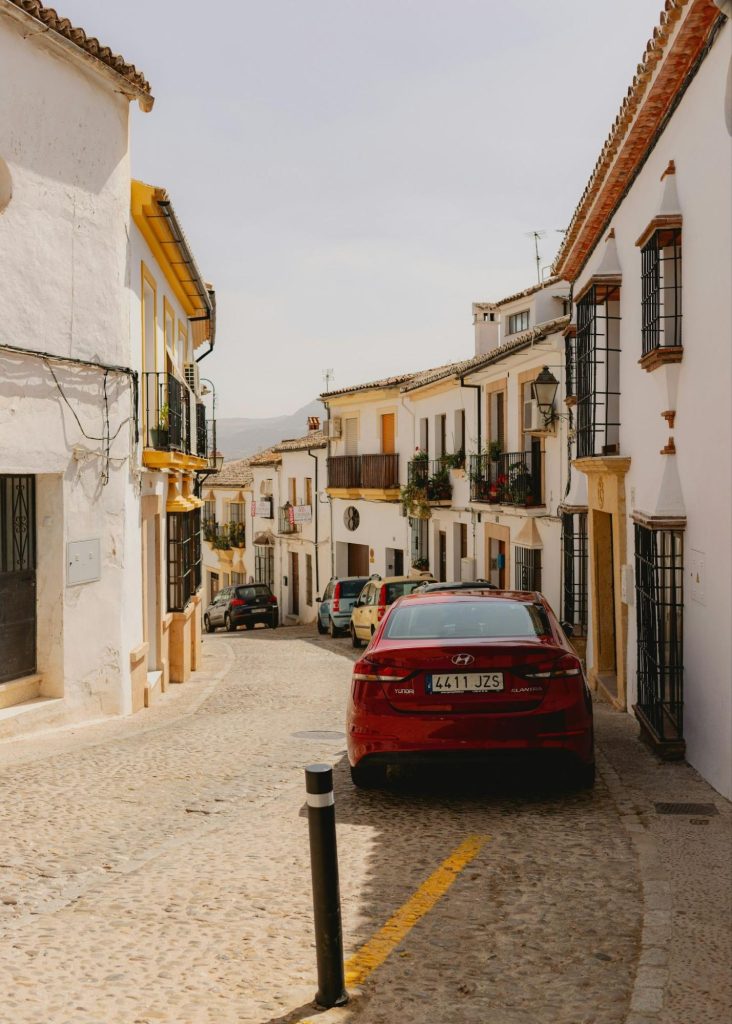
When it fits
- Regional trips
- Villages and coastlines
- Flexible itineraries
Pros
- Full flexibility
- Access to remote areas
- Easy scenic stops
Cons
- City parking challenges
- Some toll roads
- Stress in historic centres
Taxis and Ride-Hailing
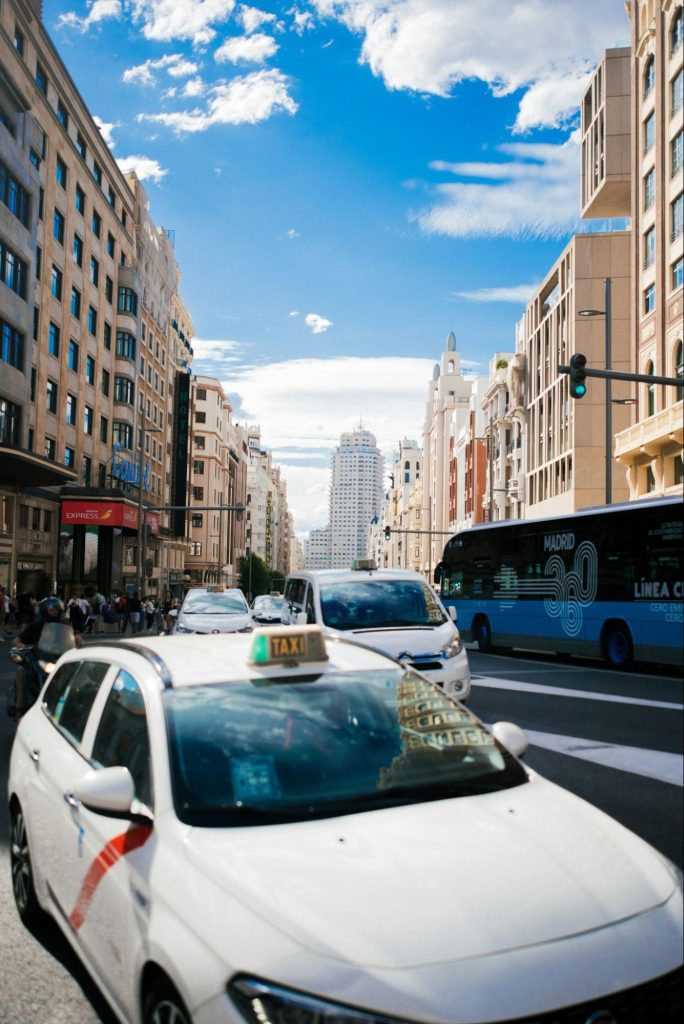
When it fits
- Airport transfers
- Short urban trips
- Late-night travel
Pros
- Convenient in cities
- No parking issues
- Simple point-to-point travel
Cons
- Expensive for longer distances
- Limited outside cities
Tours and Private Transfers

When it fits
- Short stays without a car
- Day trips from cities
- Structured travel styles
Pros
- Pre-arranged logistics
- Access to harder-to-reach places
- Time efficient
Cons
- Fixed schedules
- Less flexibility
- Higher cumulative cost
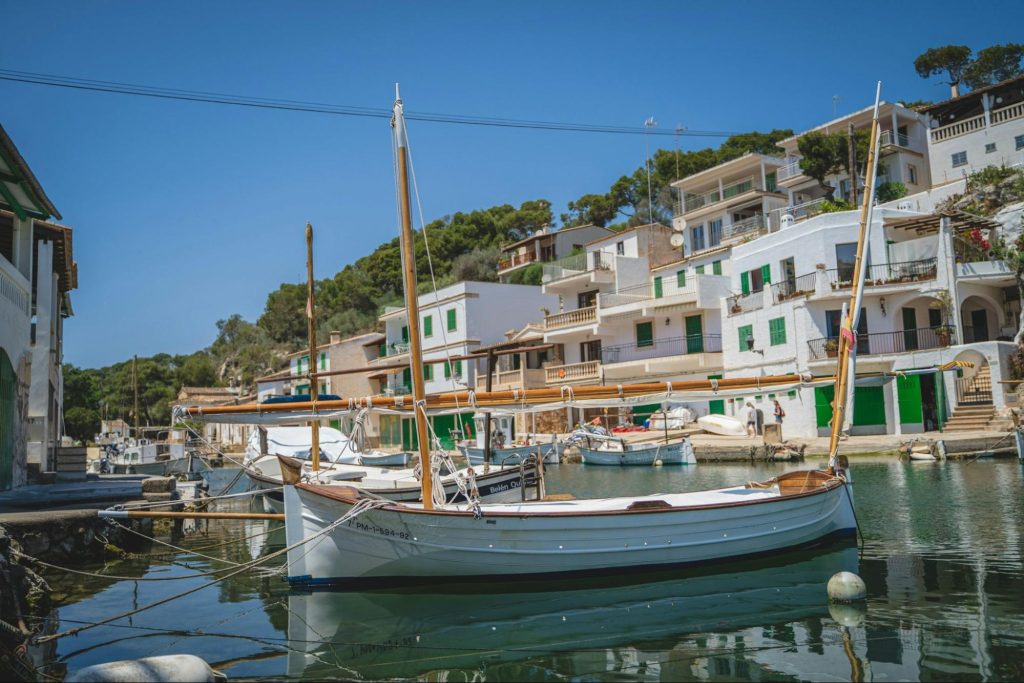
Ferries and Boats
When it fits
- Balearic routes
- Island hopping
- Coastal crossings
Pros
- Scenic travel
- Vehicle transport possible
- Alternative to short flights
Cons
- Slower than flying
- Weather dependent
- Limited frequency on some routes
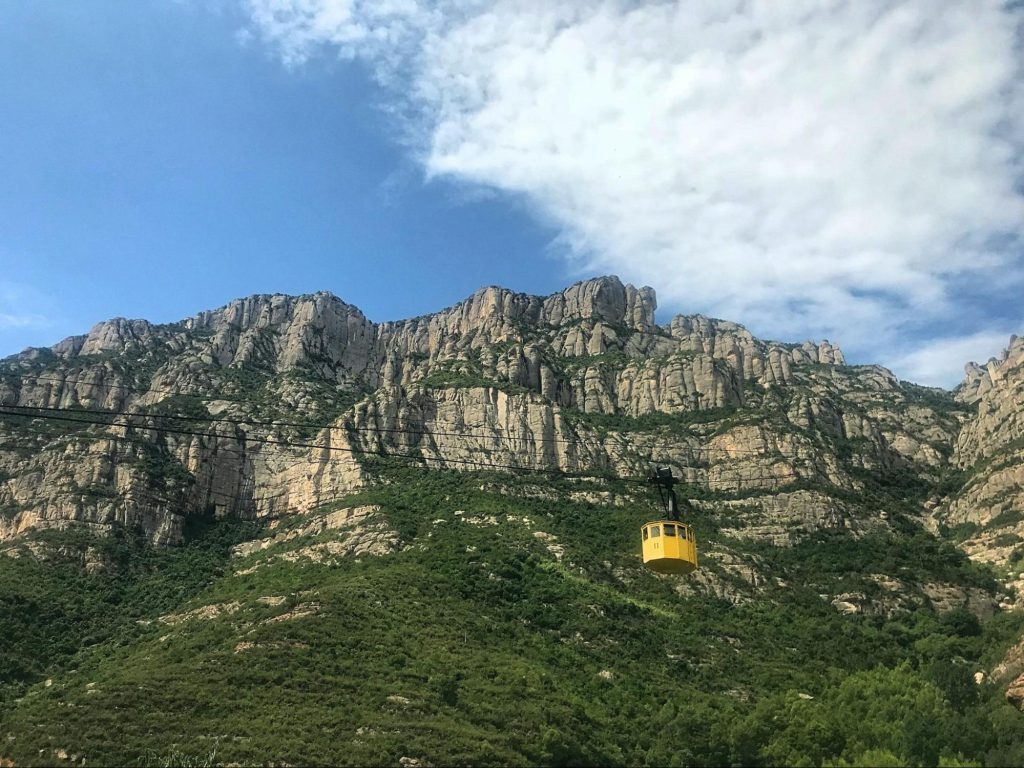
Mountain Shuttles and Cable Cars
When it fits
- National parks
- Pyrenees and Sierra Nevada
- Trail access zones
Pros
- Controlled access
- Less parking pressure
- Direct mountain viewpoints
Cons
- Seasonal schedules
- Limited departures
- Weather dependent
Rental Car: Should You Get One?
A rental car can simplify travel in Spain, but only in the right context. Rail links between major cities are strong, yet many memorable places sit beyond train lines. The key is knowing where a car adds flexibility without extra stress.
When It Is Inconvenient Without a Car
Rural Andalusia, Galicia’s coastline, northern Asturias, and many wine regions are harder to explore without private transport. Small villages, viewpoints, and natural parks rarely align with fixed public schedules, so a car often saves time and expands what you can see in a day.
When You Can Skip It
City-focused itineraries linking Madrid, Barcelona, Seville, and Valencia work well without driving. High-speed trains are fast and eliminate parking issues. In these cases, renting a car only for regional segments is usually more practical than keeping one for the entire trip.

License, Age, Deposits, and Insurance
Most visitors can rent with a valid national license, though some companies request an International Driving Permit depending on origin. Drivers are typically required to be at least 21, with extra fees under 25. A credit card in the driver’s name is usually needed for the security hold.
Basic insurance is normally included, though many travelers add extra coverage, especially for rural roads or city driving.
Parking, Restrictions, and Tolls
Parking is one of the main challenges in Spanish cities. Historic centres often have restricted zones, while blue and green street markings indicate paid parking. Underground garages are common in busy areas. Some highways include toll sections, especially in Catalonia and parts of the Mediterranean coast.
Low-emission zones are expanding in larger cities and can affect where rental cars can enter, so checking restrictions in advance helps avoid fines.
Road Conditions and Driving Style
Highways are modern and well maintained, but conditions change outside main corridors. Mountain roads can be narrow and winding, especially in northern and interior regions. In rural areas, planning fuel stops in advance is sensible.
Choosing the Right Vehicle
Compact cars suit narrow streets and city edges. Mid-size cars offer better comfort for longer drives. SUVs can help in mountain areas or luggage-heavy trips but are rarely essential. Automatic cars are less common and usually more expensive, so booking early helps.
For many itineraries, a hybrid approach works best: use trains between major cities and rent a car only where flexibility matters.
Public Transportation: How to Make It Work
Spain’s public transport is reliable but uneven. It works best between major cities and along main corridors, while rural regions rely on fewer connections.
What Exists and How Practical It Is
High-speed and regional trains form the backbone of mainland travel, linking major cities quickly. Long-distance buses cover areas without rail access and often reach smaller towns. Within cities, metro systems, trams, and local buses are efficient, especially in Madrid, Barcelona, and Valencia.

Outside these hubs, schedules thin out. Rural routes may have only a few departures per day, and smaller towns often depend on regional buses rather than trains.
Buying Tickets and Planning Ahead
Online booking is the easiest way to secure seats, especially for trains during busy periods. Official railway sites and apps support digital tickets and seat selection. Bus tickets are also widely available online, though some regional routes still rely on station counters or local operators.
Ticket machines are common in stations, and saving tickets offline helps in areas with weaker signal.
Passes and Discount Options
Rail passes can make sense for multiple long journeys, but they are not always cheaper than advance tickets. Spain often rewards early booking rather than bundled passes. In cities, multi-day transport cards usually reduce costs if you plan frequent rides.
Comparing individual tickets often provides better value than committing to a single pass on mixed itineraries.
Limitations and Timing Realities
Evening departures are less frequent outside main routes, and Sunday schedules may be reduced in smaller regions. Some connections require careful timing, especially where rail transitions into buses. Seasonal changes also affect coastal and rural routes.
Allowing buffer time between connections helps avoid missed transfers when combining multiple transport types.
Ferries and Island Travel
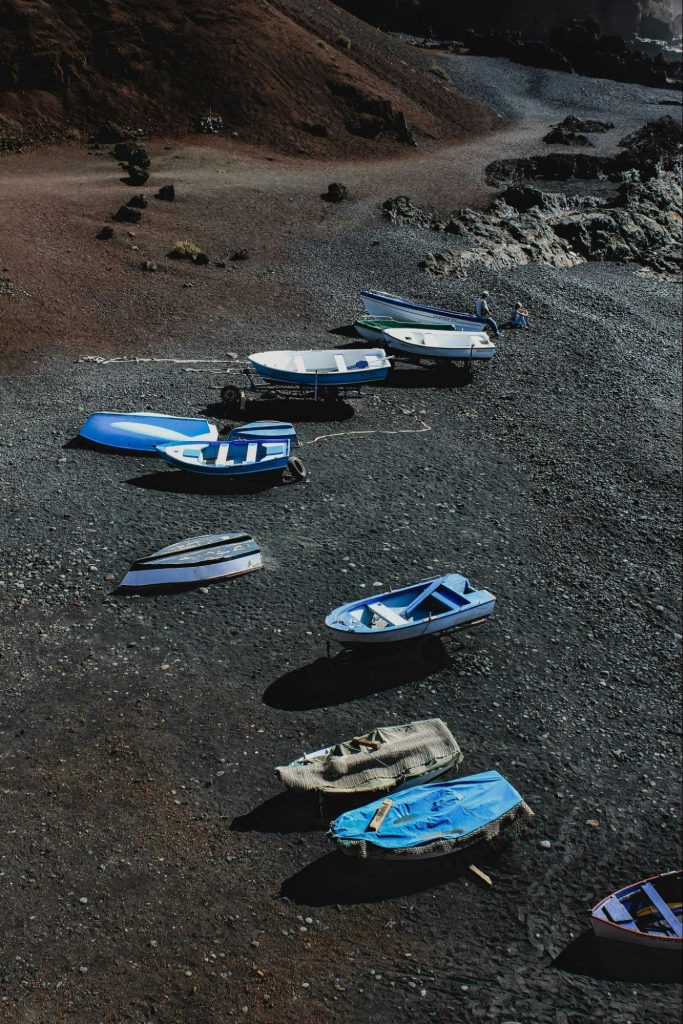
Island travel adds another layer of logistics compared to the mainland. Spain has two main island groups. The Balearics are relatively easy to reach, while the Canary Islands require more planning due to their Atlantic location.
Most Common Routes
The Balearic Islands connect to coastal cities such as Barcelona, Valencia, and Denia by ferries and short flights. Routes to Mallorca, Menorca, and Ibiza run frequently in warmer months and work well if you want to bring a car or avoid airports.
The Canary Islands function more like a separate travel zone. Flights from mainland Spain are the main option, with frequent departures from Madrid and Barcelona. Ferries exist but are rarely used for mainland crossings due to long travel times.
Booking Strategy
Booking early matters during peak summer and major holidays. Flights to the Canaries can rise sharply close to departure, while ferry cabins and vehicle spaces to the Balearics fill quickly in July and August.
Outside peak season, prices stabilize and availability improves, especially when traveling midweek or in shoulder months.
Traveling With a Car
Ferries to the Balearics allow vehicle transport, which can help when exploring beyond resort areas. However, rental cars are widely available locally, so bringing a car is not always necessary.
In the Canaries, renting locally is usually more practical than transporting a vehicle. Inter-island ferries connect places like Tenerife, Gran Canaria, and Lanzarote and run more frequently than mainland routes.
Weather and Contingency Planning
Weather can affect ferry schedules, particularly during windy periods. Major routes are reliable, but smaller inter-island connections may face delays. Leaving buffer time between ferry arrivals and onward travel helps avoid tight connections.
Mountain Regions and Seasonality
Spain’s mountain regions follow a different travel rhythm than the rest of the country. Areas like the Pyrenees, Picos de Europa, and Sierra Nevada are shaped by terrain and weather rather than distance. Travel times stretch, routes become indirect, and access often depends on seasonal infrastructure.
Access Systems and Local Transport
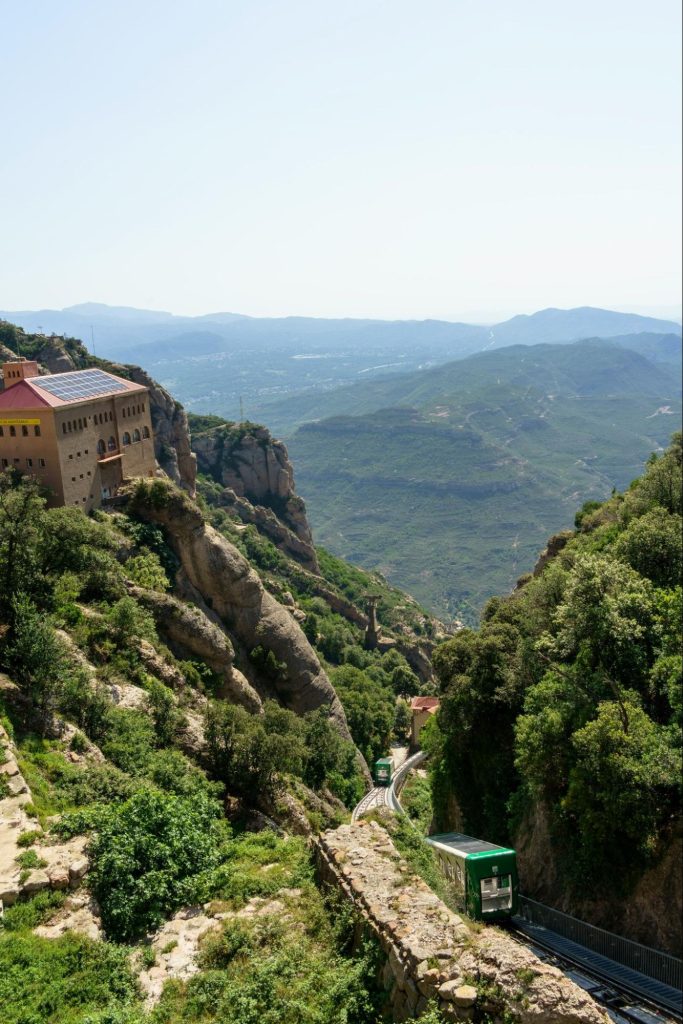
In many mountain areas, private cars are the most practical way to reach trailheads and smaller villages. Public transport usually stops in valley towns, with limited connections higher up. During busy months, shuttle buses may link parking areas with popular hiking zones.
Cable cars and lifts also play a role, especially in the Pyrenees and Sierra Nevada. Beyond winter sports, they provide summer access to viewpoints and high-altitude trails, though schedules vary by season.
Seasonal Differences
Summer offers the widest access, with open roads, active lifts, and more regional buses. Spring and autumn bring fewer crowds but shorter operating windows. Some routes run reduced schedules outside peak months.
Winter changes logistics significantly. Snow can restrict smaller roads, and certain high-altitude routes may close entirely. In ski regions, dedicated shuttles often replace regular transport.
Planning Around Weather and Timing
Mountain travel requires more flexibility than city itineraries. Conditions can shift quickly at higher elevations, affecting roads and visibility. Checking forecasts shortly before departure helps avoid unnecessary detours.
Allow extra time in mountain regions. Even short distances can take longer due to winding roads or slower traffic, so building a buffer helps avoid missed connections.
What Travel Looks Like in Practice
Seeing transport choices in real scenarios makes planning easier. These examples show how travel style affects timing and costs.
3–5 Days Without a Car
Who it fits
Short city breaks, solo travelers, non-drivers
Base structure
One main base with one or two day trips
Transfer logic
High-speed trains between major cities, local metro or buses within cities
Time reality
Madrid to Barcelona takes about 2.5–3 hours by AVE. Madrid to Seville is similar. Day trips like Barcelona to Girona or Madrid to Toledo take under an hour.
Highest cost factor
Last-minute train tickets
How to save
Book trains early and travel midweek. Choose central accommodation to reduce daily transport costs.
7-Day Mainland Mix
Who it fits
- First-time visitors
- Couples or small groups
- Travelers wanting variety without overpacking
Base structure
Two bases, often Madrid plus one regional city
Transfer logic
High-speed train between bases, local day trips by regional rail or bus
Time reality
Madrid to Valencia takes under 2 hours. Madrid to Granada about 3.5 hours. Most day trips stay under 90 minutes.
Highest cost factor
Accommodation in popular cities
How to save
Stay slightly outside historic centres and book long-distance trains early.
Island-Focused Trip
Who it fits
- Beach travelers
- Summer holidays
- Slower-paced trips
Base structure
One island or two nearby islands
Transfer logic
Flight from mainland, then local buses, taxis, or rental car
Time reality
Flights from Barcelona or Madrid to Mallorca or Ibiza take about one hour. Inter-island ferries range from one to three hours.
Highest cost factor
Peak-season flights and accommodation
How to save
Travel in late spring or early autumn and limit island hopping.
10–14 Day Multi-Region Loop
Who it fits
- Travelers wanting a broader overview
- Return visitors exploring multiple regions
- Longer holidays
Base structure
Two to three bases across different regions
Transfer logic
Combination of trains, one internal flight, and optional car rental for rural areas
Time reality
Madrid to Barcelona by train, Barcelona to Mallorca by flight, then back to mainland for Andalusia or northern Spain. Major transfers usually take half a day door-to-door.
Highest cost factor
Internal flights and multi-city accommodation
How to save
Use multi-city flights and rent cars only where needed.
Useful Apps and What to Check Before You Go
A few tools make moving around Spain easier, especially when combining trains, flights, and regional transport.

Maps and Navigation
Google Maps works well across Spain for driving, public transport, and walking routes. Download offline maps if you plan to drive through regions like Galicia, Asturias, or the Pyrenees where signal can drop.
If renting a car, save parking spots in advance in cities such as Barcelona or Seville, where historic centres have restricted traffic zones.
Transport Schedules
For trains, the most reliable source is the official Renfe website or app, which shows real-time platforms, delays, and seat availability. It is especially useful on AVE routes between Madrid, Barcelona, and Andalusia.
For buses, platforms like Omio help compare routes, but smaller regional services should still be checked on operator websites, as schedules can vary by day.
Buying Tickets
Renfe tickets work well in digital form, with QR codes accepted directly from your phone. Airlines such as Vueling, Ryanair, and Iberia Express rely heavily on mobile boarding passes, so keeping screenshots offline helps at smaller airports.
For Balearic ferries, companies like Baleària and Trasmed support mobile boarding and vehicle reservations online, which helps avoid queues in summer.
Official Updates and Local Sources
Check airline apps shortly before departure for last-minute changes. In mountain regions, national park websites provide the most accurate updates on shuttle buses and road access, especially in places like Picos de Europa or Sierra Nevada.
Tourist offices in cities such as Valencia or Bilbao can also provide simple printed maps with current transport updates.
Making Spain Easy to Navigate
Moving around Spain comes down to matching transport with geography. High-speed trains make mainland travel fast and comfortable, especially between major cities. Flights are practical for longer distances and islands, while buses and occasional car rentals fill the gaps where rail coverage thins out.
The most efficient itineraries combine several transport types rather than relying on one solution. A city-focused route may work without a car, while regional travel in Andalusia, northern Spain, or mountain areas often benefits from driving. Island segments follow their own rhythm, where flights save time and ferries offer flexibility.
There is no single best way to get around Spain for every itinerary. The key is aligning transport choices with your route, pace, and priorities. When logistics match geography and timing, travel across the country becomes far smoother from the first transfer to the last.