Los Angeles on a Budget: How to Visit the City Without Overspending
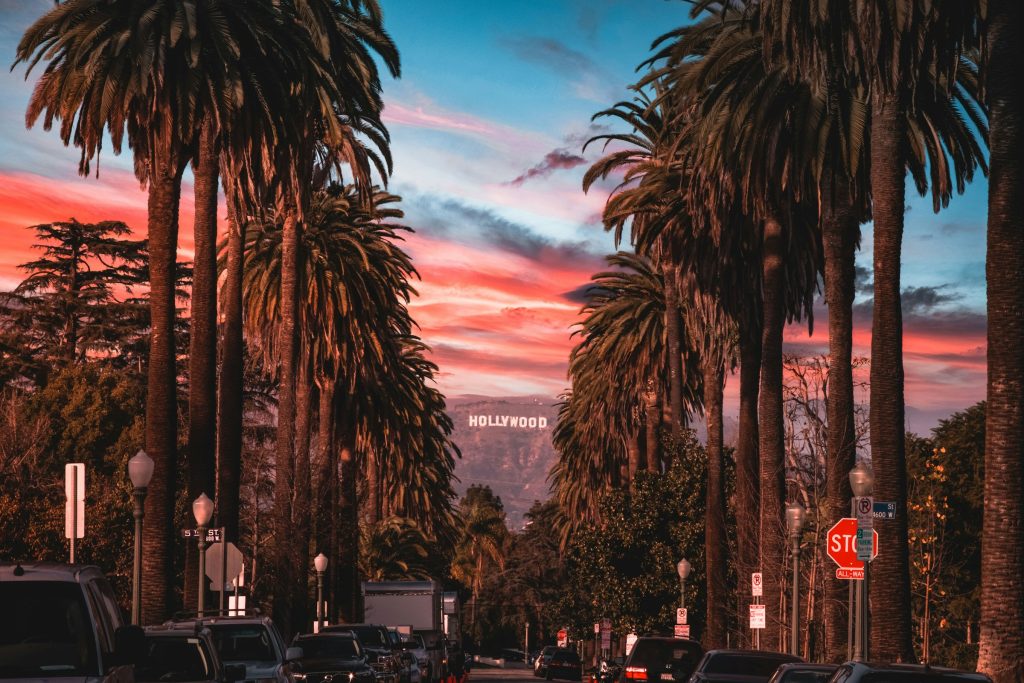
Los Angeles can feel expensive at first, especially once accommodation, transport, and food start adding up across such a spread out city. But with the right area to stay, smart transport choices, and a focus on free attractions and affordable local food, visiting Los Angeles on a budget is much more realistic than many travelers expect.
Quick Budget Cheat Sheet for Los Angeles
Daily budget expectations
Budget travelers usually spend about $90 to $140 per day, depending on accommodation choices and how much they move around the city. A more comfortable mid range trip often lands between $160 and $240 per day once accommodation, food, transport, and a few attractions are included.
Where travelers usually overspend
The biggest expenses in Los Angeles tend to come from accommodation and transportation. Rideshares can add up quickly across long distances, and parking fees often increase the real cost of renting a car.
Best areas for budget accommodation
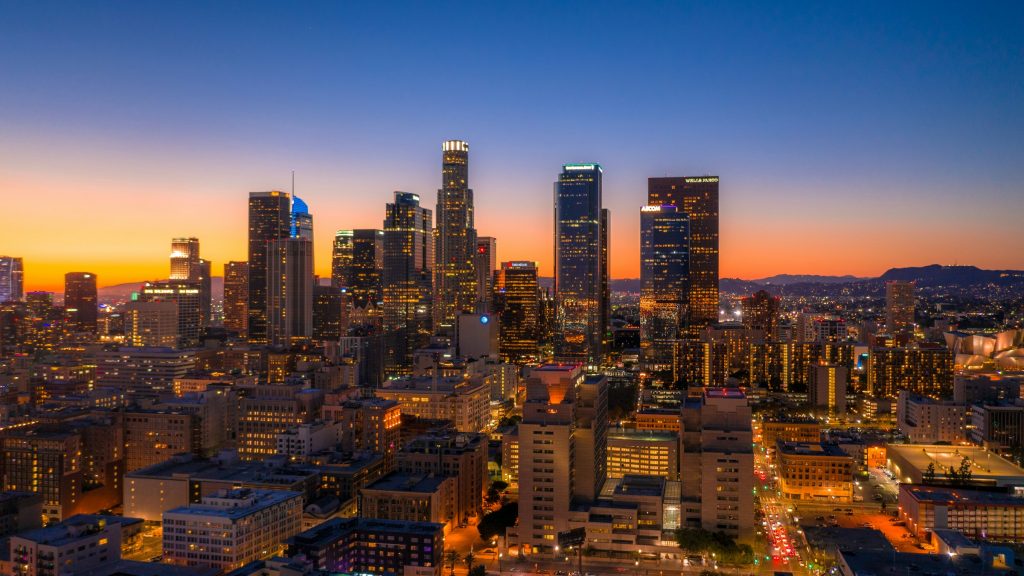
Some neighborhoods offer better value than others while still keeping good access to the main parts of the city. Koreatown, Hollywood, Downtown Los Angeles, and North Hollywood often provide a good balance between price, transport access, and local food options.
Best way to get around
Public transport combined with occasional rideshare trips is often the most affordable option. The Metro rail system and city buses connect many popular areas, while rideshare services help cover longer distances when transit routes become slower.
Where to find affordable food
Budget friendly meals are easy to find in taco stands, food trucks, local diners, and markets rather than tourist restaurants. Neighborhood spots away from major attractions usually offer much better prices.
Free or very cheap activities
Some of the most popular experiences in Los Angeles are completely free. Griffith Observatory, Venice Beach, Santa Monica Pier, and hiking trails in the Hollywood Hills all offer memorable views without requiring an entry ticket.
Common mistake that increases costs
One of the most frequent budget mistakes is renting a car without planning parking costs, which can quickly add significant daily expenses in many parts of the city.
What a Trip to Los Angeles Really Costs
The total cost of visiting Los Angeles can vary widely depending on where you stay and how you move around the city. For travelers planning budget travel in Los Angeles, focusing on affordable accommodation, public transport, and free attractions can keep daily spending relatively low, while a more comfortable trip with private accommodation and frequent rideshares naturally increases the overall cost.
For a budget focused trip, most travelers spend roughly $90 to $140 per day. This usually includes a bed in a hostel or a simple motel room, affordable meals from local food spots or markets, public transport or limited rideshare use, and mostly free attractions such as beaches, parks, and viewpoints.
A mid range travel style typically reaches $160 to $240 per day. In this scenario, visitors often stay in budget hotels or private apartments, combine public transport with rideshare trips, eat in casual restaurants, and occasionally pay for museums or organized activities.
One important detail that often surprises visitors is that the final price in the United States is rarely the same as the price shown on menus or price tags. Sales tax is added at checkout, and restaurant bills usually include a tip of around 15 to 20 percent for service. Because of this, meals and services often cost noticeably more than the listed price.
Accommodation can also include extra fees such as service charges, cleaning fees, or parking costs, especially in hotels and short term rentals. Checking these additional charges before booking helps avoid unexpected increases in the total travel budget.
Where to Stay in Los Angeles on a Budget
Accommodation is often the biggest expense when planning a trip focused on visiting Los Angeles on a budget. Prices vary significantly between neighborhoods, and location affects both travel costs and daily convenience. Choosing areas with good transport connections can reduce rideshare spending and keep travel times manageable.
Koreatown

Who it suits
- Travelers who want central accommodation at lower prices than tourist districts
- Budget travelers planning to explore multiple parts of Los Angeles
Transport access
- Strong public transport connections
- Metro lines link the area directly with Downtown Los Angeles and Hollywood
Safety
- Comparable to other busy urban districts
- Staying near main streets and choosing well reviewed accommodation is usually recommended
Time to central areas
- Around 10 to 20 minutes to Downtown by Metro
- About 20 minutes to Hollywood
Typical accommodation types
- Budget hotels
- Motels
- Apartment rentals
- Private rooms
Local booking tips
- Many budget hotels in Koreatown charge separate parking fees, which can add to the nightly cost
- Smaller motels often include free parking, which makes them a better option for travelers renting a car
Hollywood
Who it suits
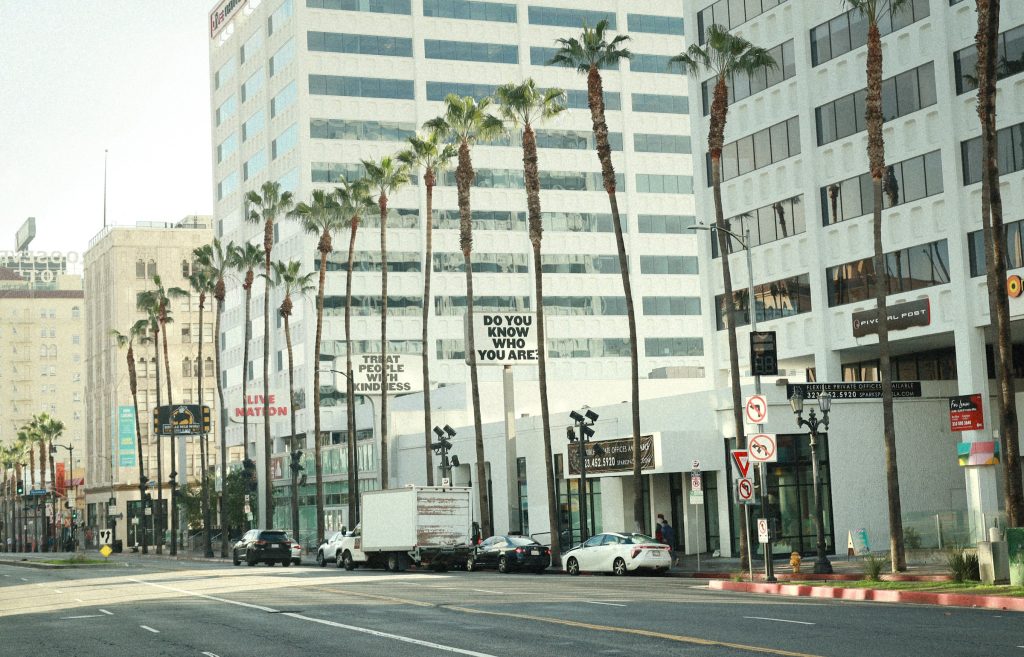
- First time visitors who want to stay close to famous landmarks
- Travelers who prefer a lively area with many attractions nearby
Transport access
- Excellent access to the Metro B Line
- Easy connections to Downtown Los Angeles and other parts of the city
Safety
- Safety varies by street
- Areas close to major attractions usually have more activity and lighting at night
Time to central areas
- About 15 minutes to Downtown Los Angeles by Metro
Typical accommodation types
- Hostels
- Budget hotels
- Apartment rentals
Local booking tips
Hostels in Hollywood often sell out early during weekends and event periods, so booking ahead helps secure lower prices
Hotels very close to Hollywood Boulevard tend to be more expensive than those a few streets away
Downtown Los Angeles
Who it suits
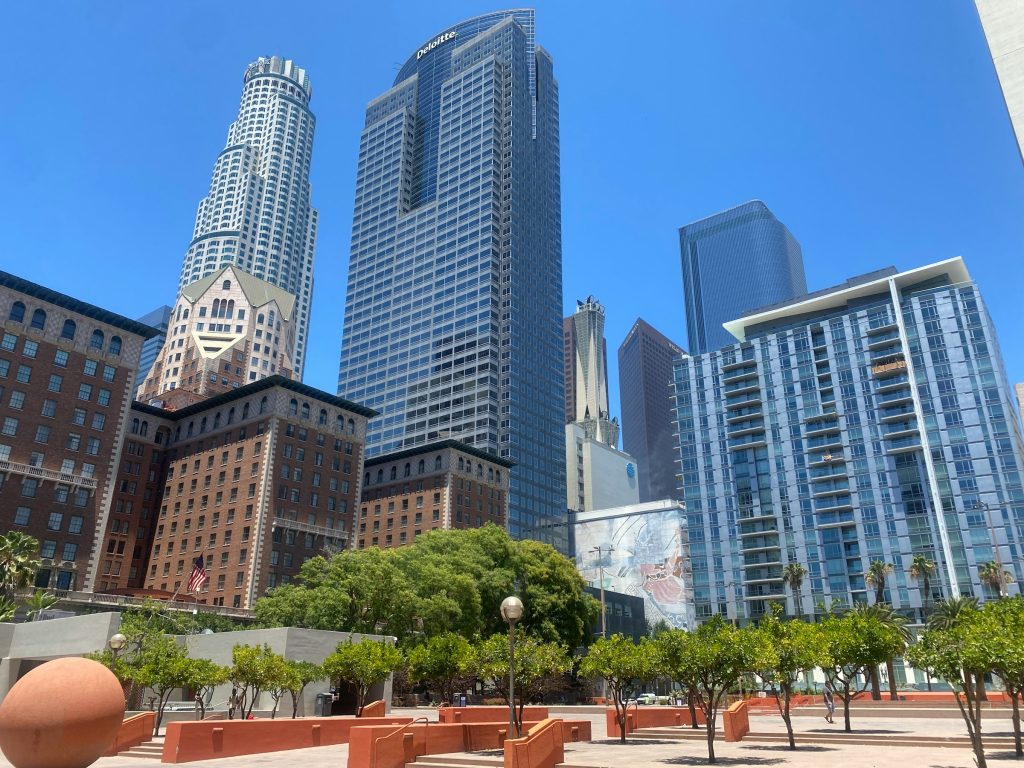
- Travelers planning to rely mainly on public transportation
- Visitors interested in museums, markets, and cultural districts
Transport access
- Main public transport hub of Los Angeles
- Multiple Metro lines and bus routes connect different parts of the city
Safety
- Safety varies between blocks
- Staying near busy streets or major attractions is usually more comfortable for visitors
Time to central areas
- Around 15 minutes to Hollywood by Metro
- Direct transit connections to many neighborhoods
Typical accommodation types
- Budget hotels
- Hostels
- Serviced apartments
- Private rooms
Local booking tips
Business hotels in Downtown sometimes lower prices on weekends, when corporate travel drops
Parking garages in the area can be expensive, so accommodation with included parking can reduce costs
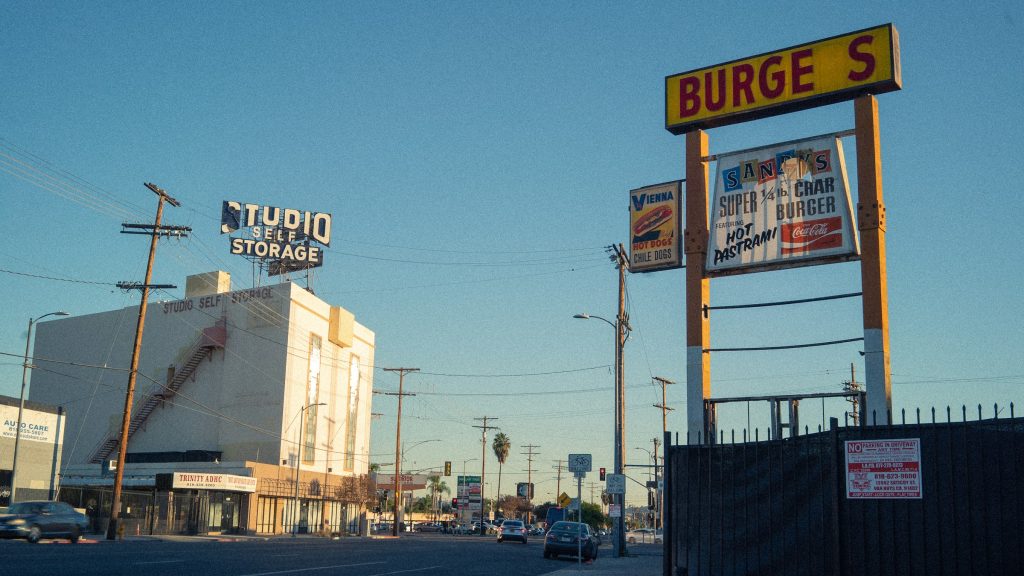
North Hollywood
Who it suits
- Travelers looking for lower accommodation prices
- Visitors willing to stay slightly outside the main tourist districts
Transport access
- Direct Metro B Line connection to Hollywood and Downtown Los Angeles
Safety
- Generally quieter and more residential than central tourist areas
Time to central areas
- Around 15 minutes to Hollywood by Metro
- About 25 to 30 minutes to Downtown Los Angeles
Typical accommodation types
- Motels
- Budget hotels
- Apartment rentals
Local booking tips
Motels around the Metro stations often offer lower nightly prices than central districts
Staying close to a Metro station can reduce the need for rideshares
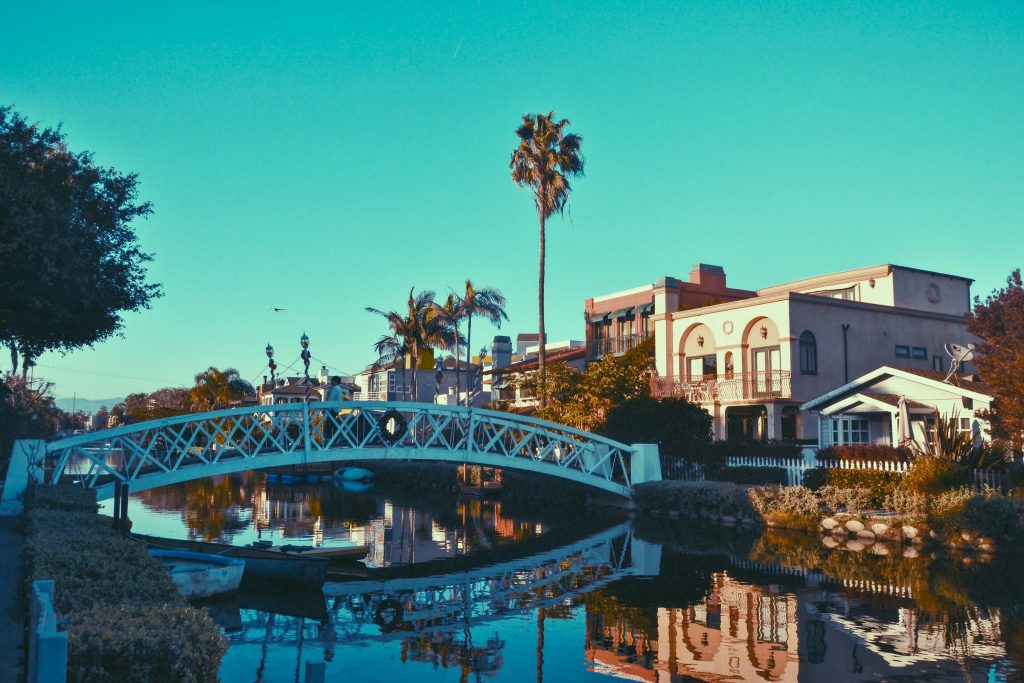
Venice
Who it suits
- Travelers who want to stay near the beach
- Visitors planning to spend more time outdoors by the ocean
Transport access
- Limited Metro access compared with central districts
- Buses and rideshare services are commonly used
Safety
- Usually busy and active during the day around the beach and boardwalk areas
- Evening atmosphere varies depending on the street
Time to central areas
- About 45 to 60 minutes to Downtown Los Angeles depending on traffic and transport routes
Typical accommodation types
- Hostels
- Shared apartments
- Small guesthouses
- Beachside rentals
Local booking tips
Budget hostels near the beach often fill quickly during summer and weekends
Many accommodations near the coast charge high parking fees, which can increase the overall stay cost
Getting Around Los Angeles Without Overspending
Transportation can quickly become one of the largest daily expenses when visiting Los Angeles on a budget. The city is spread across a very large area, and distances between neighborhoods are often longer than travelers expect. Planning how to move around the city before arriving helps avoid unnecessary rideshare costs and expensive parking.
Do You Really Need a Car in Los Angeles
A car is not always necessary, especially for shorter trips focused on a few major districts. Many travelers can explore areas like Hollywood, Downtown Los Angeles, Koreatown, and parts of Santa Monica using public transportation combined with occasional rideshare trips.
However, renting a car becomes more useful if you plan to visit several distant areas in one day or explore locations outside the central districts. Beaches, hiking areas, and neighborhoods on opposite sides of the city can take much longer to reach using public transport.
The main downside of renting a car is the additional cost. Parking in popular districts often requires paid garages or meters, and traffic congestion can make short distances take much longer than expected.
Public Transport Options
Los Angeles has a growing public transportation system that includes Metro rail lines and an extensive bus network. While it does not reach every neighborhood directly, it still connects many important areas of the city.
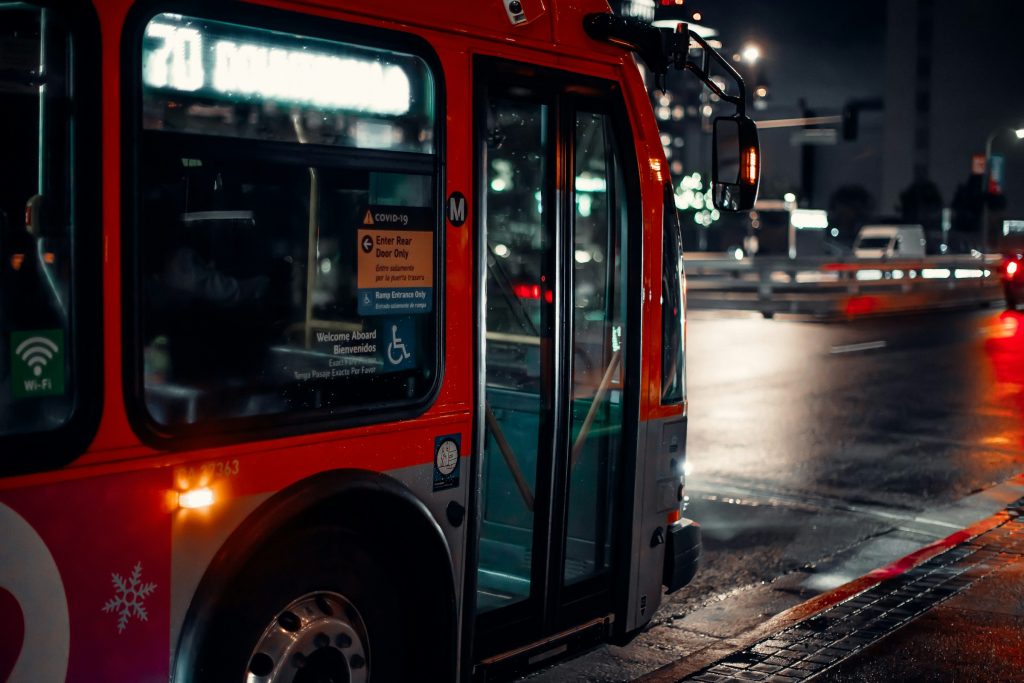
Metro lines are especially useful for reaching districts such as Hollywood, Koreatown, Downtown Los Angeles, and North Hollywood. Buses help fill the gaps between rail stations and other parts of the city.
Transit passes can help reduce costs for travelers planning to use public transport several times per day. Daily or multi day passes are usually more affordable than buying individual tickets for every trip.
When Rideshare Makes Sense
Rideshare services are widely used in Los Angeles and often help bridge the distance between Metro stations and final destinations. They are particularly useful late at night or when traveling between neighborhoods that are not well connected by rail.
However, relying only on rideshare for every trip can quickly increase the travel budget. Using public transport for longer routes and rideshare only for short segments is usually a more budget friendly approach.
Airport to City on a Budget
Getting from Los Angeles International Airport (LAX) to the city center can be done without spending much money if you avoid direct airport rideshares.
One of the most affordable options is the FlyAway bus, which connects LAX with Downtown Los Angeles and Union Station. From there, travelers can continue using the Metro network to reach other neighborhoods.
Another option is using the LAX shuttle connection to Metro stations, which allows access to the city’s rail system at a lower cost than most direct rideshare trips.
Eating Well in Los Angeles on a Budget
Food costs in Los Angeles can vary widely depending on where and how you eat. Tourist areas and upscale restaurants often come with noticeably higher prices, but the city also has one of the most diverse and affordable food scenes in the United States. Knowing where locals eat makes it much easier to keep daily expenses under control while still enjoying great meals.
Taco Stands and Food Trucks
One of the easiest ways to eat well without spending much money in Los Angeles is visiting taco stands and food trucks. These small street setups are common across neighborhoods like Koreatown, Hollywood, and Downtown Los Angeles.
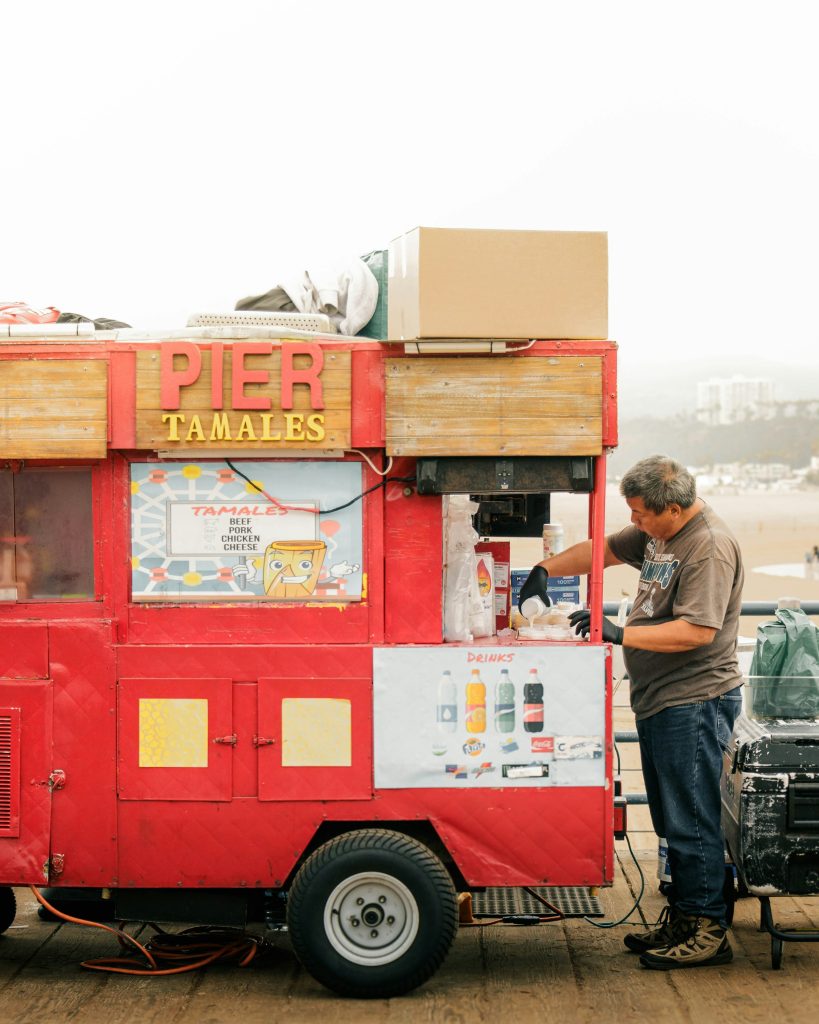
Many stands serve fresh tacos, burritos, or quesadillas at prices that are significantly lower than restaurant meals. They also stay open late, which makes them a convenient option after sightseeing or evening activities.
Markets and Food Halls
Food halls and markets are another reliable option for budget travelers. Places like Grand Central Market in Downtown Los Angeles bring together multiple small vendors in one location, which allows visitors to compare prices and choose affordable meals.
Markets often offer casual seating and a wide variety of food styles, from local specialties to international street food.
Diners and Casual Restaurants
Classic American diners and casual neighborhood restaurants can also provide reasonably priced meals, especially outside major tourist streets. Breakfast and lunch specials are often cheaper than dinner menus, which makes midday meals a good opportunity to save money.

Many diners offer large portions, so sharing meals or saving part for later can also help reduce food spending.
Happy Hour and Local Deals
Many restaurants and bars across Los Angeles offer happy hour deals during the late afternoon. These promotions often include discounted appetizers or drinks, making them one of the most affordable ways to enjoy restaurant food in the city.
Happy hour is especially common in neighborhoods with active nightlife, such as Hollywood or Downtown Los Angeles.
Small Budget Tips for Eating Out
Even affordable meals in Los Angeles usually include additional costs beyond the menu price. Sales tax is added to restaurant bills, and tipping for service is generally expected.
Most restaurants expect tips of around 15 to 20 percent, which means the final price of a meal will usually be higher than what appears on the menu. Keeping this in mind helps avoid surprises when planning daily food expenses.
Cheap and Free Things to Do in Los Angeles
Los Angeles offers many activities that cost little or nothing, which makes it easier to balance the travel budget. Some of the city’s most memorable experiences come from outdoor locations, scenic viewpoints, and neighborhoods that can be explored on foot. Mixing free attractions with a few paid experiences helps keep the overall trip affordable while still seeing the highlights.
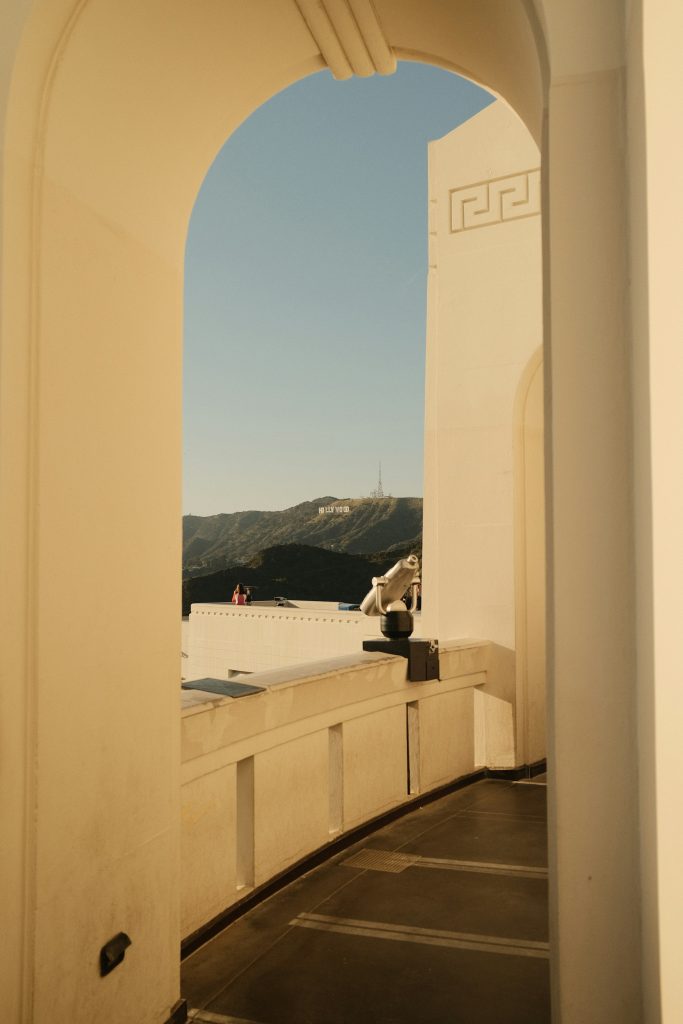
- Griffith Observatory
Entry to the observatory is free, and it offers one of the most famous views of Los Angeles and the Hollywood Sign. Visitors can explore the exhibits inside or enjoy the panoramic view from the terrace. - Hollywood Walk of Fame
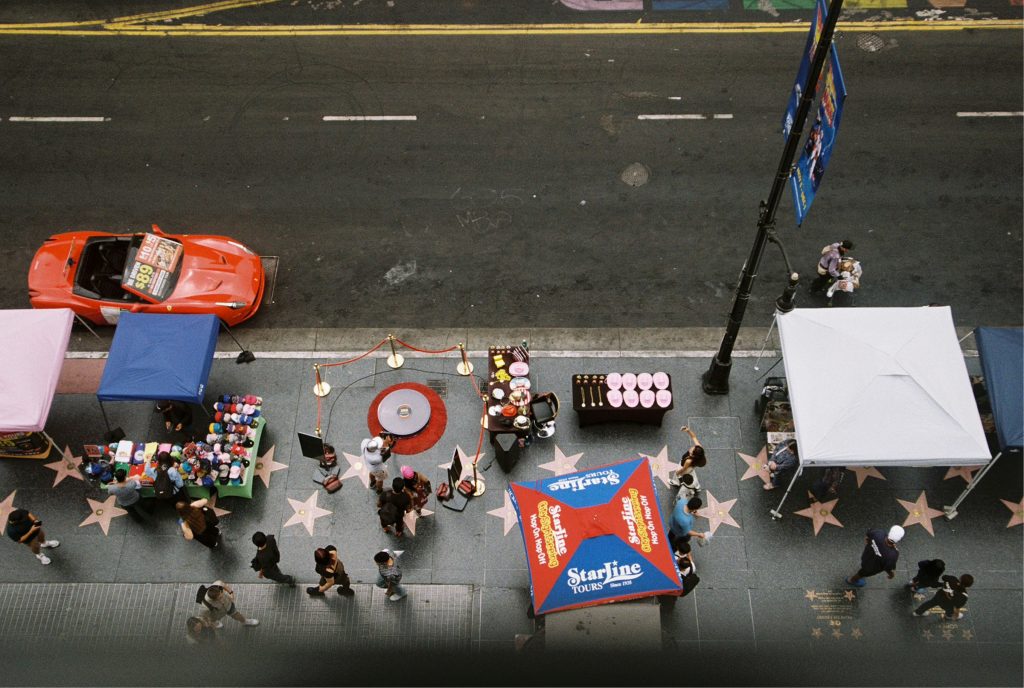
Walking along Hollywood Boulevard to see the famous stars is completely free. The area also offers street performances, historic theaters, and many recognizable landmarks. - Santa Monica Pier
The pier itself is free to visit and provides classic coastal views. While some rides in the amusement park require tickets, simply walking along the pier and beach costs nothing. - Venice Beach Boardwalk
Venice Beach is one of the most famous public spaces in Los Angeles. Street performers, artists, and small shops create a lively atmosphere along the oceanfront path. - The Getty Center
Admission to the museum is free, though parking requires a fee. The museum is known for its art collections, architecture, and views over the city. - Runyon Canyon Park
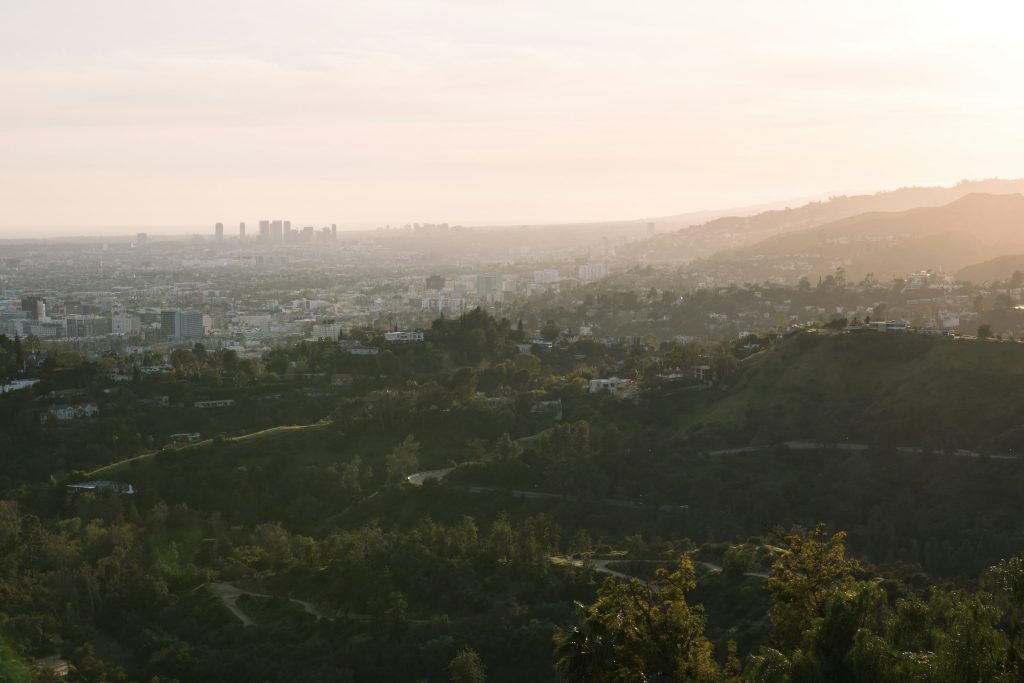
This popular hiking area near Hollywood offers scenic trails and panoramic city views. It is a favorite spot for both locals and visitors. - Hollywood Sign viewpoints
Several hiking trails and viewing areas in Griffith Park provide excellent views of the Hollywood Sign without needing an organized tour. - Grand Central Market
Even without buying food, the market is interesting to explore thanks to its historic architecture and lively atmosphere. - The Broad Museum
General admission is free, though reservations may be required. The museum focuses on contemporary art and is located in Downtown Los Angeles. - Los Angeles Farmers Markets
Many neighborhoods host weekly farmers markets where visitors can explore local food stalls, crafts, and street food vendors. - Beach sunsets along the Pacific Coast
Watching the sunset from beaches such as Santa Monica or Venice is one of the simplest and most memorable experiences in the city. - Arts District street art
Downtown’s Arts District features large murals and public art that can be explored during a casual walk. - Echo Park Lake
A relaxing place for a walk with views of the city skyline and the surrounding hills. - Historic Olvera Street
This historic area near Union Station reflects the early cultural roots of Los Angeles and can be explored freely. - Public gardens and city parks
Several smaller parks and gardens across the city provide quiet places to rest between sightseeing stops.
Many museums in Los Angeles also offer free admission days or discounted entry hours, so checking schedules in advance can make it easier to include cultural attractions without increasing the travel budget.
Budget Itineraries for Los Angeles
Because Los Angeles is spread across a very large area, planning each day around nearby neighborhoods helps reduce transportation costs. Grouping attractions by district makes it possible to explore more places without relying heavily on rideshares or long travel times.
1 Day in Los Angeles on a Budget
A short visit works best when focusing on one central part of the city.
Start the day in Hollywood by walking along the Hollywood Walk of Fame and visiting landmarks such as the TCL Chinese Theatre. These attractions are free and located within walking distance of each other.
Later in the morning, head to Runyon Canyon for a short hike. The trails provide wide views of the city and are popular with both locals and visitors.
Finish the afternoon at Griffith Observatory. Entry is free and the observation terraces offer one of the best views of Los Angeles and the Hollywood Sign, especially around sunset.
2 Days in Los Angeles on a Budget
With two days, it becomes possible to combine coastal areas with one urban district.
Day one can focus on the beaches. Start in Santa Monica, walk along the pier, and follow the oceanfront path toward Venice Beach. The Venice boardwalk, skate park, and street performers create one of the most recognizable scenes in Los Angeles.
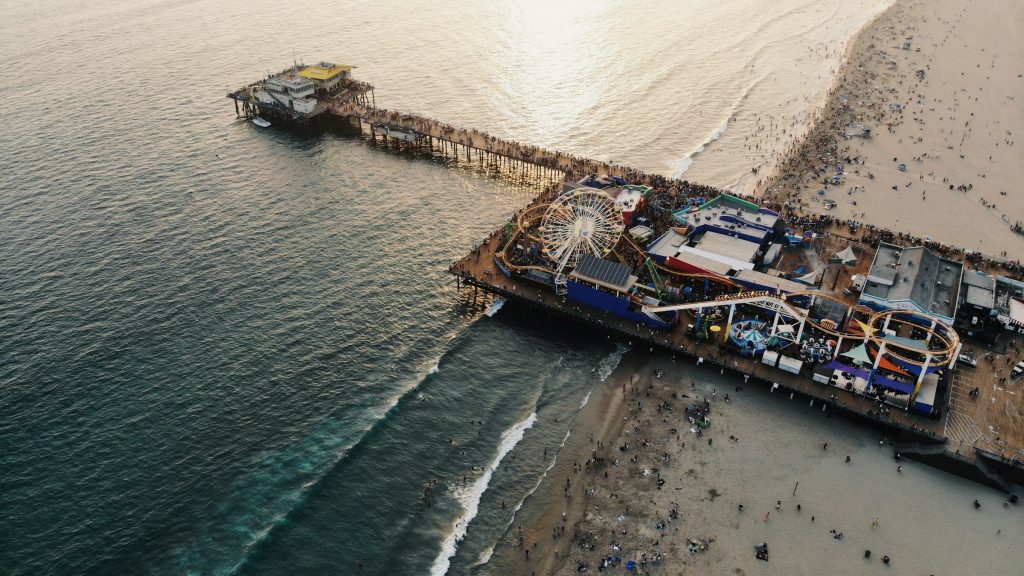
Day two works well in Downtown Los Angeles. Visit places such as The Broad museum, which offers free general admission, and explore the nearby Arts District for street art. Grand Central Market is also a convenient place for affordable food.
3 Days in Los Angeles on a Budget
Three days allows a broader look at different parts of the city.
Day one can focus on Downtown Los Angeles, including Grand Central Market, Olvera Street, and nearby cultural districts.
Day two can be spent around Hollywood and Griffith Park, combining city landmarks with scenic viewpoints and hiking trails.
Day three is ideal for exploring neighborhoods like Echo Park and Silver Lake, where visitors can walk around Echo Park Lake, see local cafés, and explore areas known for street art and independent shops.
Planning each day around nearby districts helps reduce transportation time and keeps daily travel costs lower while still covering several of the most interesting parts of Los Angeles.
Common Budget Mistakes in Los Angeles
Even travelers planning a budget trip to Los Angeles sometimes spend more than expected because the city works differently from many other destinations. Long distances, car culture, and hidden costs around parking or transportation can quickly increase daily expenses if they are not considered in advance.
- Renting a car without calculating parking costs
Parking near places like Santa Monica, Venice Beach, or Hollywood often requires paid garages or meters. Some hotels also charge nightly parking fees, which can add a significant cost to the stay. - Staying far from Metro lines
Many cheaper accommodations are located in areas without convenient rail connections. When this happens, visitors often rely on rideshares for every trip, which can quickly increase the daily travel budget. - Using rideshare for long cross city trips
Traveling between distant districts such as Downtown, Santa Monica, and Hollywood with rideshare services can become expensive because of traffic and long distances. - Booking hotels near the beach during peak weekends
Prices in areas like Venice or Santa Monica can rise significantly during summer weekends and holidays, making these districts much more expensive than inland neighborhoods. - Eating in restaurants directly on Hollywood Boulevard or the Santa Monica Pier
Restaurants located right next to major tourist attractions usually charge noticeably higher prices than similar places a few streets away. - Not checking hotel parking policies in advance
Some hotels in Los Angeles charge separate daily parking fees, while others do not offer parking at all, which can force visitors to use expensive nearby garages. - Ignoring travel time between neighborhoods
Distances in Los Angeles are much larger than many visitors expect. Trying to visit Hollywood, Downtown, and the beach in the same day often leads to extra rideshare spending. - Taking direct rideshare from LAX to distant neighborhoods
Airport rideshares can be expensive because of airport surcharges and traffic. Using options like the FlyAway bus first can significantly reduce transport costs. - Visiting paid attractions without checking free museum hours
Several museums in Los Angeles offer free entry days or general admission tickets, but these options are often overlooked.
Understanding these city specific pitfalls helps travelers plan more efficient routes, reduce transportation costs, and keep the overall Los Angeles travel budget under control.
Making Los Angeles Work on a Budget
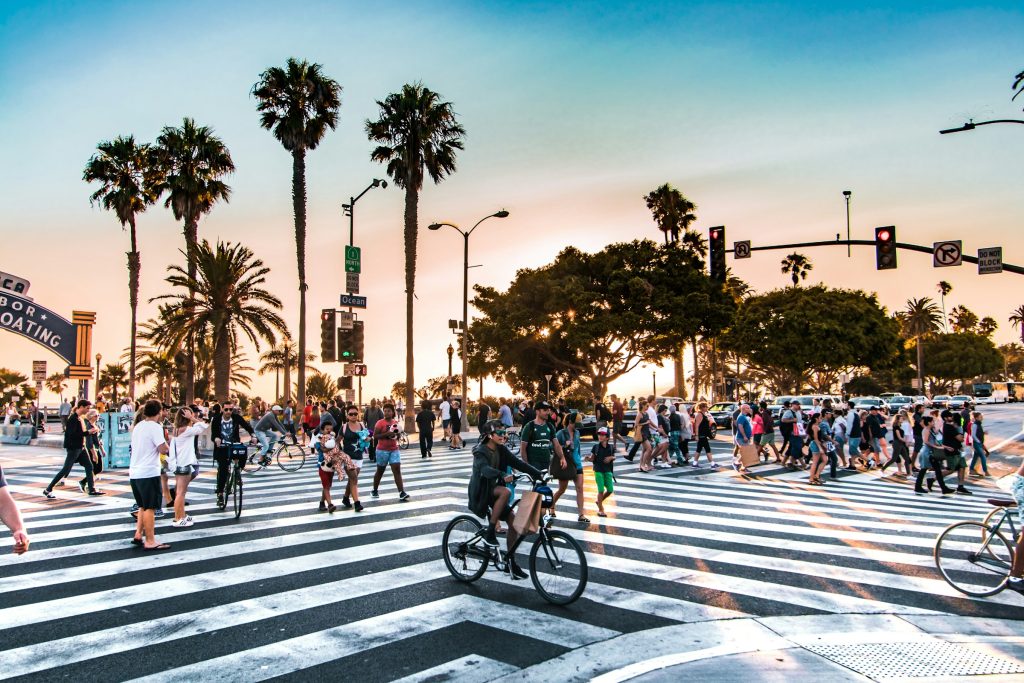
Los Angeles can look expensive at first, but many of the city’s best experiences cost little or nothing. Beaches, scenic viewpoints, public parks, and vibrant neighborhoods offer plenty to explore without relying on expensive attractions.
Keeping the trip affordable usually comes down to a few practical choices. Staying in areas with good Metro access helps reduce rideshare costs, while planning each day around nearby neighborhoods avoids long cross city travel. Eating at local taco stands, food trucks, or markets instead of tourist restaurants can also make a noticeable difference in daily spending.
With thoughtful planning and realistic expectations about distances, visiting Los Angeles on a budget becomes much easier. By focusing on free attractions, smart transport choices, and well located accommodation, travelers can experience the city comfortably without pushing their budget too far.