Best Areas to Stay in Edinburgh for First-Time Visitors

If you are visiting Edinburgh for the first time, one of the biggest questions is where to stay so that exploring the city feels easy rather than exhausting. The right area can save time on hills, reduce reliance on transport, and make it easier to move between landmarks without constantly planning routes. While Edinburgh is relatively compact, elevation changes and distinct neighbourhood personalities can shape the entire experience.
Many travellers search for where to stay in edinburgh first time because even small location differences affect how the trip unfolds. Staying close to the historic core means stepping straight into major sights like the Royal Mile, Edinburgh Castle, and Princes Street Gardens, while choosing a slightly quieter district can offer better sleep and more space without losing walkability. For short visits especially, a well-chosen base makes sightseeing feel natural and unhurried.
Edinburgh works best when your accommodation matches the pace you want. Some areas immerse you in medieval streets and dramatic views, while others provide calmer surroundings just beyond the busiest routes. Understanding how the city’s layout influences daily movement helps first-time visitors choose a base that balances atmosphere, convenience, and comfort.
Quick Area Guide
Best for walking: Old Town
Ideal for first-time visitors who want historic atmosphere and immediate access to major landmarks like the Royal Mile and Edinburgh Castle.
Food and atmosphere: New Town
Great for travellers who want elegant streets, plenty of restaurants, and easy connections between sightseeing and dining.
Quiet but still central: Stockbridge
Better for those who prefer a calmer, local feel while staying within walking distance of the centre.
Budget and transport: Haymarket / West End
A practical choice if you want slightly lower prices, strong transport links, and easy access to the airport and train routes.
Alternative local base: Leith
Best for travellers who enjoy waterfront areas, great food, and a neighbourhood atmosphere with easy tram access to the centre.
How Edinburgh Is Laid Out
Edinburgh becomes much easier to navigate once you understand how the historic centre is structured. The Old Town forms the medieval core, stretching along the Royal Mile between Edinburgh Castle and Holyrood Palace. This is where many of the city’s most recognisable landmarks sit close together, often connected by narrow closes, steep steps, and viewpoints that define the city’s dramatic character.
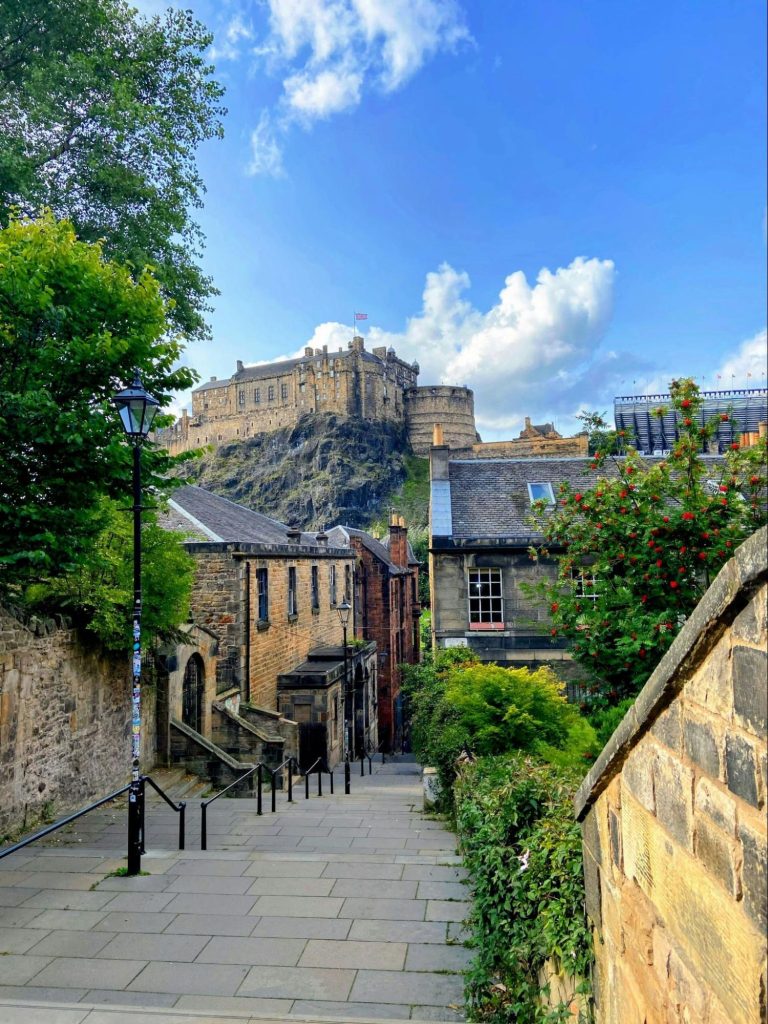
Right next to it, the New Town offers a completely different layout. Built in the Georgian era, it features wide streets, orderly squares, and a more open feel compared to the Old Town’s maze-like structure. Princes Street and the gardens below create a natural divide between the two, yet the distance is small enough to walk easily, making it possible to stay in one and explore both without relying heavily on transport.
Beyond the central core, several neighbourhoods sit within comfortable walking distance while offering a different atmosphere. Areas like Stockbridge and the West End provide a more local, residential feel while staying close to major sights. For transport, the main railway hub is Waverley Station, located right between the Old and New Towns, while the airport is directly connected by tram and bus, making arrivals and day trips straightforward even without a car.
Best Areas to Stay in Edinburgh for First-Time Visitors
Choosing the right neighbourhood makes it much easier to decide on the best place to stay in edinburgh for first timers. Some areas place you directly inside the historic setting, while others offer a calmer base within walking distance of the centre. The key difference often comes down to atmosphere, elevation, and how much you want to rely on transport during your stay.
Old Town
Who it suits: first-time visitors, couples, short city breaks
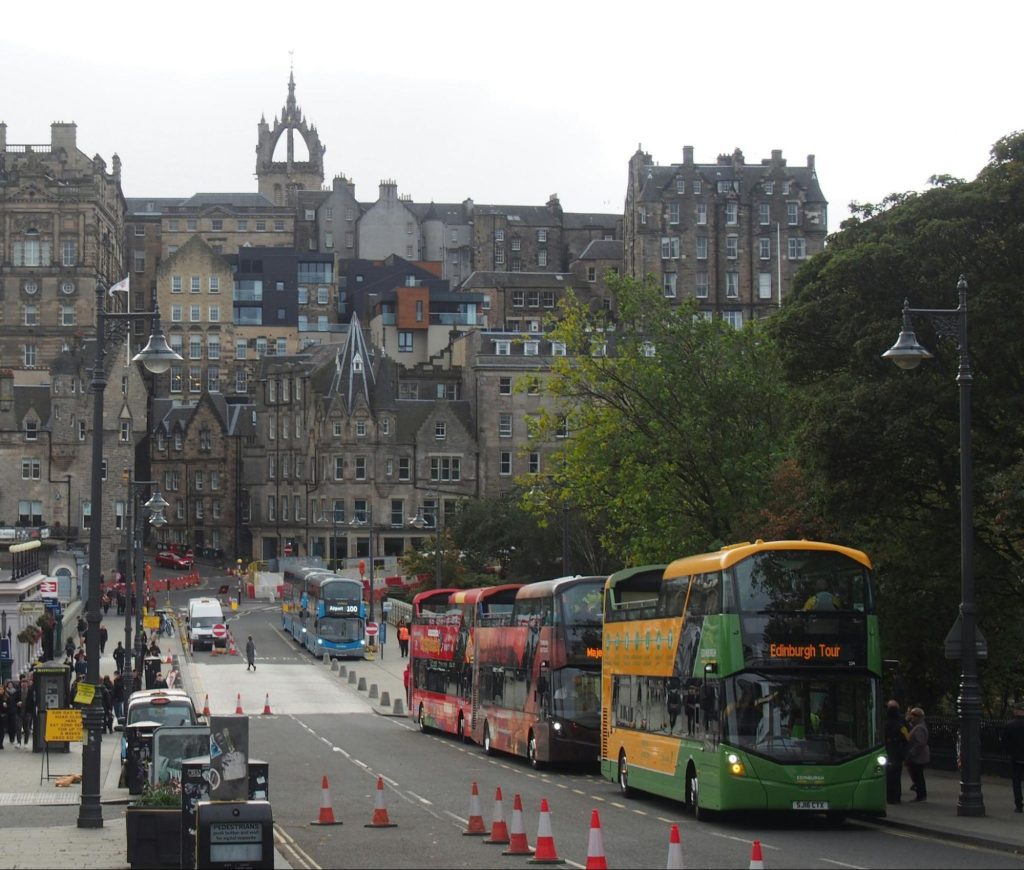
Old Town is the most immersive place to stay if you want to wake up surrounded by Edinburgh’s historic atmosphere. This area stretches along the Royal Mile and is filled with medieval streets, stone buildings, and viewpoints that make the city instantly recognisable. Staying here means stepping outside directly into major sights without needing transport, which is especially valuable if your visit is short.
Pros:
- Walking distance to major landmarks
- Strong historic atmosphere
- Ideal for sightseeing without transport
- Iconic views and architecture
- Plenty of museums and attractions nearby
Cons:
- Busy during peak seasons
- Can be noisy at night
- Hilly streets and stairs
- Higher prices in central spots
What’s nearby:
- Edinburgh Castle
- Royal Mile
- St Giles’ Cathedral
- National Museum of Scotland
- Holyrood Palace
Accommodation style: Old Town is dominated by historic hotels, small guesthouses, and apartments inside centuries-old buildings. Many stays focus on character and location rather than space.
Typical stay options:
- Boutique hotels
- Apartments
- Guesthouses
Best for: Hotels work well for short stays, while apartments suit travellers who want more room in a central location.
What to check before booking:
- Lift availability in older buildings
- Street noise levels
- Steep access routes
- Heating in colder months
Best stay type for the area: A centrally located boutique hotel along or near the Royal Mile makes sightseeing effortless.
New Town
Who it suits: first-time visitors, couples, food lovers, travellers who want central but more spacious surroundings
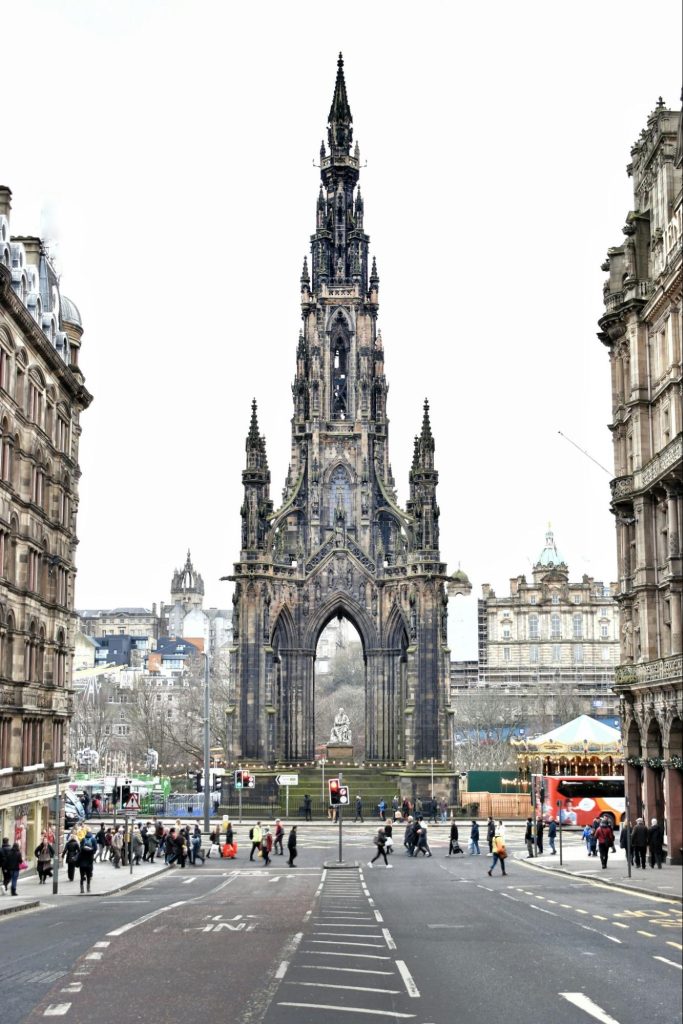
New Town offers a more elegant and structured version of central Edinburgh while staying just minutes from the Old Town. Built in the Georgian era, this area is defined by wide streets, symmetrical squares, and a calmer atmosphere compared to the medieval core. It feels less intense than Old Town but still keeps you within easy walking distance of the main landmarks.
Pros:
- Central but less chaotic than Old Town
- Wide, easy-to-navigate streets
- Excellent restaurants and cafés
- Great shopping along Princes Street and George Street
- Good transport connections
Cons:
- Less historic atmosphere than Old Town
- Some areas feel more commercial
- Higher prices in prime locations
What’s nearby:
- Princes Street Gardens
- George Street
- Scott Monument
- Calton Hill
- Easy access to the Royal Mile on foot
Accommodation style: New Town offers a mix of elegant hotels, serviced apartments, and boutique stays inside Georgian townhouses. Compared to Old Town, rooms are often larger and easier to access.
Typical stay options:
- Boutique hotels
- Serviced apartments
- Mid-range hotels
Best for: Hotels suit short city breaks, while serviced apartments work well for travellers who want more space without leaving the centre.
What to check before booking:
- Exact distance to Old Town landmarks
- Street activity near nightlife areas
- Lift availability in townhouse properties
- Room orientation for quieter stays
Best stay type for the area: A hotel near Princes Street or a quieter Georgian square balances central access with comfort.
Stockbridge
Who it suits: travellers who prefer a local feel, couples, slower-paced city breaks
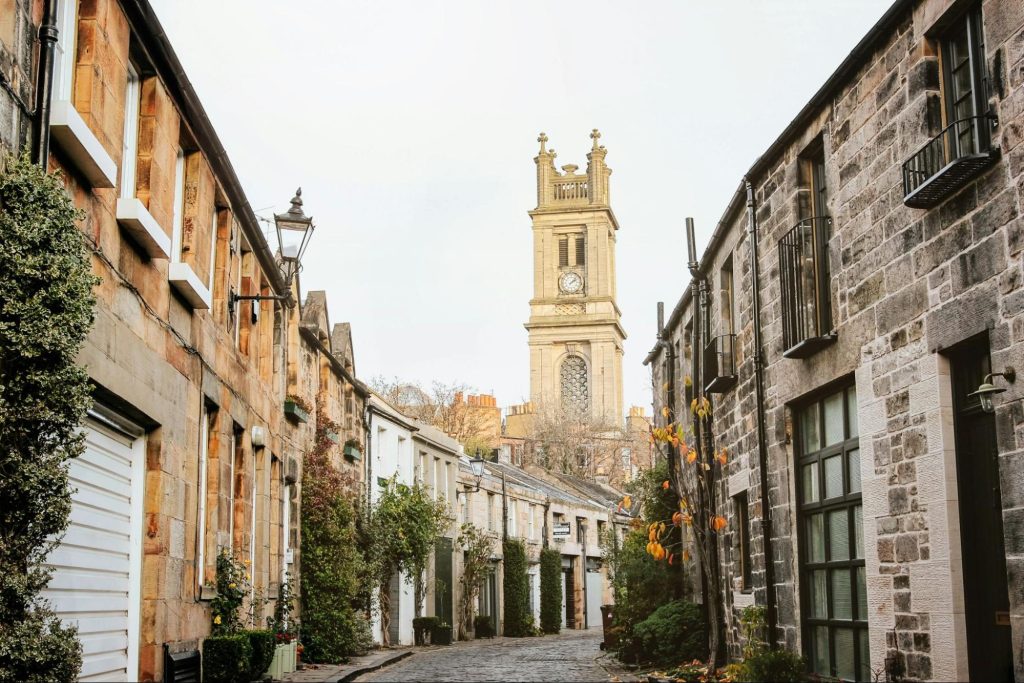
Stockbridge sits just north of the New Town and offers a noticeably calmer, more residential atmosphere while remaining within walking distance of the centre. This area feels more like a neighbourhood than a tourist hub, with independent cafés, small shops, and a relaxed rhythm that appeals to visitors who want to experience everyday Edinburgh alongside the main sights.
Pros:
- Quieter than the historic core
- Strong local character
- Independent cafés and restaurants
- Walkable to New Town and central sights
- Close to green spaces and riverside walks
Cons:
- 15–20 minutes walk to Old Town
- Less immediate access to major landmarks
- Limited nightlife compared to central districts
What’s nearby:
- Water of Leith Walkway
- Dean Village
- Inverleith Park
- Royal Botanic Garden Edinburgh
- Easy access to Princes Street on foot
Accommodation style: Stockbridge offers a mix of stylish apartments, small boutique hotels, and guesthouses. Compared to the centre, properties here often provide more space and a quieter setting.
Typical stay options:
- Apartments
- Boutique guesthouses
- Small hotels
Best for: Apartments are especially popular here, making it a good choice for longer stays or travellers who prefer a residential feel.
What to check before booking:
- Walking distance to central sights
- Public transport connections
- Parking availability if arriving by car
- Exact location within the neighbourhood
Best stay type for the area: A well-located apartment close to the New Town edge offers the best balance between calm surroundings and walkable access to the centre.
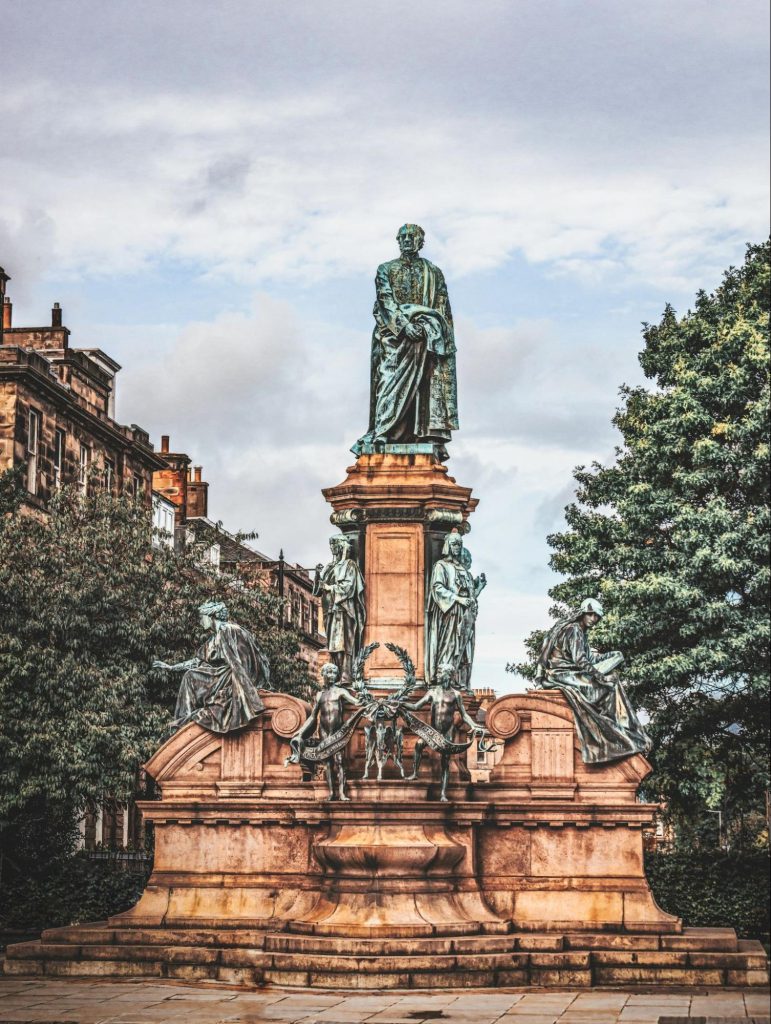
West End / Haymarket
Who it suits: budget-conscious travellers, short stays, visitors arriving by train or prioritising transport access
The West End and Haymarket area sits just west of the New Town and offers a practical base that balances convenience and value. While it feels slightly less atmospheric than the historic core, it remains close enough to walk into central Edinburgh while providing stronger transport connections, especially for airport transfers and regional trains.
Pros:
- Good transport links including Haymarket Station
- Tram access to the airport
- Often better prices than Old Town
- Walkable to Princes Street and New Town
- Wide streets and easier navigation
Cons:
- Less historic atmosphere
- Some busy traffic areas
- Longer walk to Old Town landmarks
What’s nearby:
- Haymarket Station
- Edinburgh International Conference Centre
- West End theatres
- Princes Street (10–15 minutes walk)
- Easy tram connection to the airport
Accommodation style: This area is known for mid-range hotels, chain properties, and serviced apartments. Compared to the centre, rooms are often more modern and easier to access.
Typical stay options:
- Chain hotels
- Mid-range hotels
- Serviced apartments
Best for: Hotels work well for short stays and early departures, while apartments suit travellers who want more space with strong transport access.
What to check before booking:
- Distance to tram stops or station
- Traffic noise on main roads
- Walking time to central sights
- Parking availability if driving
Best stay type for the area: A hotel near Haymarket Station offers the best balance of price and transport convenience for first-time visits.
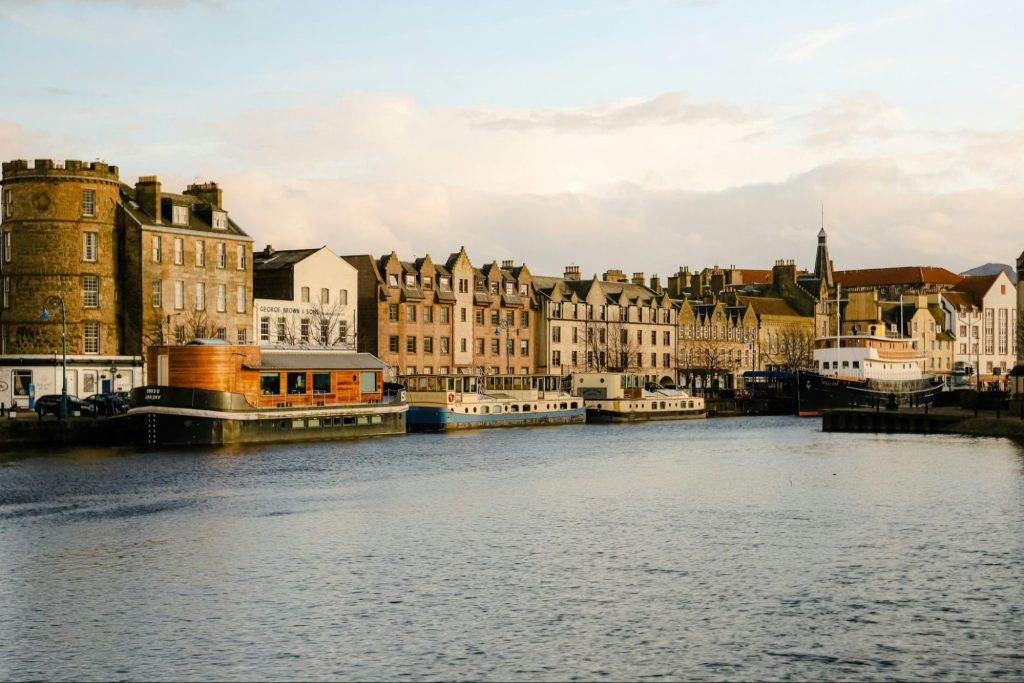
Leith
Who it suits: food lovers, travellers open to staying outside the historic core, longer city breaks
Leith offers a different perspective on Edinburgh, shaped by its maritime past and revitalised waterfront. Located north of the centre, this former port district has evolved into one of the city’s most dynamic neighbourhoods, known for its strong food scene and relaxed local atmosphere. While it is not the most central base, it appeals to travellers who want a more contemporary, neighbourhood-style stay.
Pros:
- Distinct character compared to the historic centre
- Excellent restaurants and waterfront dining
- More modern accommodation options
- Direct tram access to central Edinburgh
- Often better value than Old Town
Cons:
- Not within walking distance of major landmarks
- Less traditional “Edinburgh” atmosphere
- Requires transport for most sightseeing
What’s nearby:
- Royal Yacht Britannia
- Leith Shore waterfront
- Ocean Terminal area
- Water of Leith Walkway
- Tram connections to Princes Street and the centre
Accommodation style: Leith features modern apartments, boutique hotels, and converted industrial spaces. Compared to central districts, properties here are often more spacious and contemporary.
Typical stay options:
- Modern apartments
- Boutique hotels
- Serviced stays
Best for: Apartments are especially popular, making this a good choice for travellers staying several days or those who prioritise space and food experiences over immediate proximity to landmarks.
What to check before booking:
- Distance to tram stops
- Travel time to Old Town
- Exact location within Leith (shore areas feel more central)
- Evening transport options
Best stay type for the area: A waterfront apartment near the tram line offers the best balance between local atmosphere and easy access to central Edinburgh.
Areas That Can Be Less Convenient for First-Time Visitors
While Edinburgh is generally easy to navigate, some areas may feel less practical for a first visit, especially if you want to stay close to major landmarks and explore mostly on foot. These locations are not unsuitable, but they often work better for return trips or travellers with specific priorities.
Outer Leith (north of the Shore)
Leith works well near the waterfront and tram stops, but areas farther north can add extra travel time to the centre. A better fit for longer stays or travellers who don’t mind relying on public transport.
Gorgie and Dalry (far west)
These neighbourhoods offer lower prices and a more local feel, but they sit outside the main sightseeing zone. They can work for budget travellers, yet daily trips into the Old Town may require buses or longer walks.
Abbeyhill and areas beyond Holyrood
Parts of Abbeyhill closer to the Royal Mile are convenient, but moving farther east reduces walkability. This area suits visitors who prefer quieter surroundings and don’t mind being slightly outside the main tourist flow.
Newington (south of the university)
Popular with students and longer stays, Newington offers good value but sits a bit farther from the core attractions. It can suit budget travellers, though daily walks back uphill toward the Old Town may feel tiring.
Outer residential hills (e.g. Blackford or Liberton)
These districts provide space and greenery but are not ideal for short trips focused on sightseeing. They work better for travellers with cars or longer stays rather than first-time city breaks.
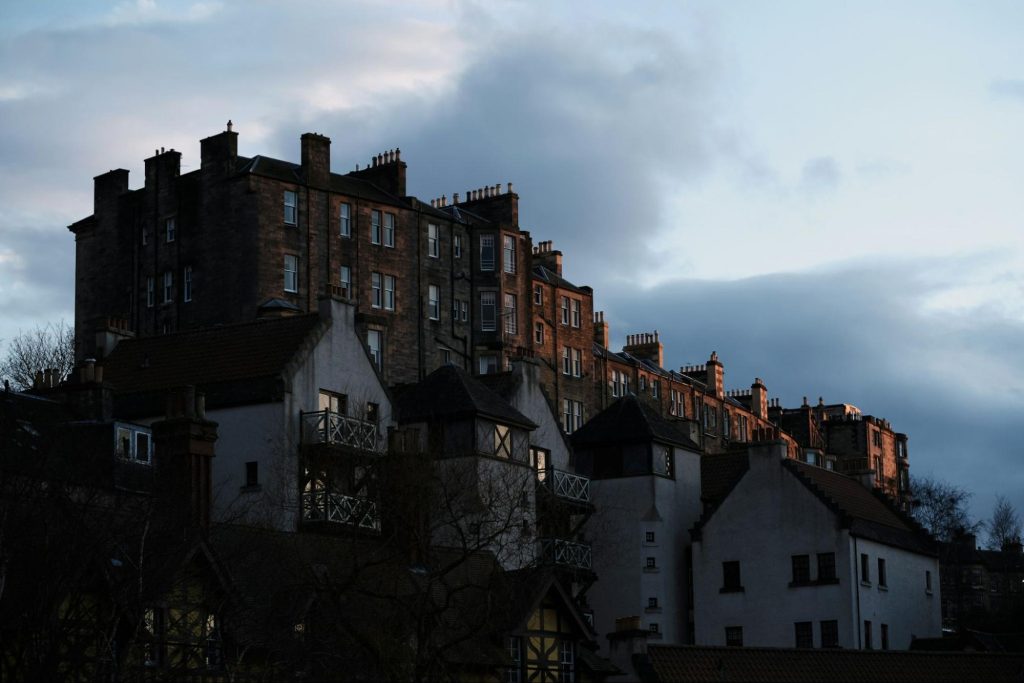
These areas are not unsuitable, but they are often less intuitive for a first visit, especially if your priority is staying close to Edinburgh’s historic landmarks and exploring mainly on foot.
Practical Tips for Choosing Where to Stay in Edinburgh
Choosing the right area in Edinburgh often comes down to how long you are staying and how much walking you are comfortable with. The city is compact, but hills, cobbled streets, and elevation changes can quickly affect your daily routine.
If your trip is 2–3 days: Stay in or very close to Old Town or New Town. Being central reduces travel time and makes it easier to move between major landmarks without planning transport.
If your trip is 4–5 days or longer: You can stay slightly farther out, such as Stockbridge or Leith, as long as you are close to reliable tram or bus connections.
Always check real walking times: Maps may show short distances, but steep streets and stairways can slow you down, especially when returning in the evening.
Read reviews about noise: Old Town, Grassmarket, and parts of the New Town near nightlife streets can be lively late into the night.
Check for lifts in older buildings: Many properties in Old Town and Georgian New Town townhouses may not have elevators, which matters if you have heavy luggage.
Heating in winter and ventilation in summer: Edinburgh can be windy and damp in colder months, while summer rooms under roofs can become warm. Comfort levels vary by building type.
If travelling with luggage: Avoid properties at the top of steep closes or long staircases unless lift access is confirmed.
If arriving by train or plane: Waverley Station sits between Old and New Town, and the tram connects the airport directly to central stops including Haymarket, Princes Street, and Leith, so check proximity to these lines if transport convenience is important.
These small checks help ensure your first stay feels comfortable, especially when deciding on the best area to stay in edinburgh for sightseeing without unnecessary daily effort.
Simple Routes to Experience Edinburgh
One-Day Route from the Historic Centre
If you are staying in Old Town or New Town, most of Edinburgh’s iconic landmarks can be explored on foot in a single day without rushing. The compact layout makes it easy to connect major sights naturally.
- Start at Edinburgh Castle
- Walk down the Royal Mile
- Visit St Giles’ Cathedral
- Explore the National Museum of Scotland
- Head toward Holyrood Palace and the Scottish Parliament
- Climb Calton Hill for panoramic views
- Stroll through Princes Street Gardens
- End the day with dinner in the New Town or Grassmarket
This route works best with a central base, as the city’s main highlights unfold along a natural east–west line through the historic core.
Relaxed Evening Route from Stockbridge or Leith
If you are staying slightly outside the busiest centre, evenings are ideal for slower walks and a more local atmosphere.
- Begin with a riverside or waterfront walk (Water of Leith or Leith Shore)
- Stop at a local wine bar or gastropub
- Explore independent cafés or small bakeries
- Head toward the centre for sunset views from Calton Hill or the Mound
- Finish with drinks in a cosy bar or rooftop terrace
These neighbourhoods shine after dark, offering a calmer pace while still keeping central Edinburgh within easy reach.
Bringing It All Together
Edinburgh is one of those cities where choosing the right neighbourhood can shape how effortlessly the trip unfolds. Staying close to the historic core makes it easier to explore on foot, move between landmarks naturally, and experience the atmosphere that defines the city. Even small differences in location can influence how much time you spend walking uphill, navigating crowds, or returning to your accommodation during the day.

For most first-time visits, areas like Old Town and New Town provide the most immediate access to Edinburgh’s highlights, while Stockbridge offers a quieter but still walkable alternative. The West End and Haymarket balance convenience and transport connections, and Leith works well for travellers open to a more local base with strong tram access.
Ultimately, the best place to stay in edinburgh for first timers depends on how central you want your base to be and what kind of experience you are looking for, whether that means historic immersion, calm neighbourhood streets, or practical connections for exploring the city and beyond.