Best Time to Visit Ohrid
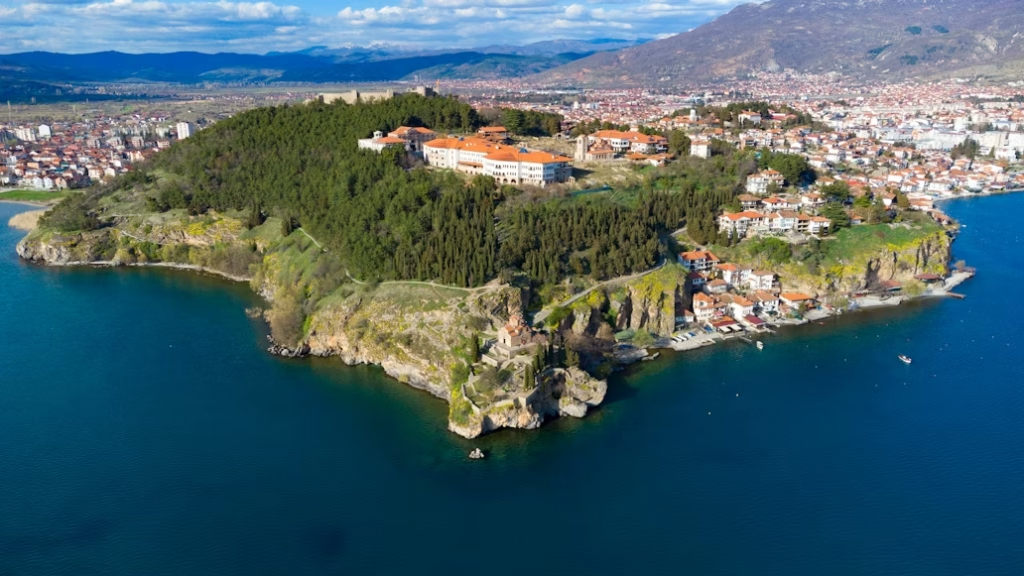
Finding the best time to visit Ohrid is not just about choosing the warmest month. It is about understanding how weather, lake temperature, accommodation prices, crowd levels, and booking pressure shape your entire experience in this historic lakeside city in North Macedonia.
Ohrid is compact, atmospheric, and visually dramatic. Medieval churches rise above turquoise water. Stone streets climb toward Samuel’s Fortress. The iconic Church of St. John at Kaneo sits on a cliff above the lake and looks different in every season. Because the city is small and most landmarks are within walking distance, seasonal changes are immediately noticeable.
When to Go: Quick Cheat Sheet
Before diving into detailed seasonal breakdowns, it helps to look at the bigger picture. Ohrid’s travel year follows a clear rhythm: a quiet winter, a gradual spring revival, a lively and lake-focused summer peak, and a calmer early autumn transition. Each phase offers a different balance between weather comfort, pricing pressure, and crowd density.
There is no single universal answer to the question of the best time to visit Ohrid. The right timing depends on what matters most to you — warm water for swimming, peaceful photography conditions, lower hotel rates, or simply moving around without navigating dense foot traffic in the Old Town.
Because Ohrid is compact and most landmarks are concentrated within walking distance, even moderate increases in visitor numbers are noticeable. Heat, sunlight intensity, and lake temperature also directly affect how enjoyable your days will feel. Below is a practical summary based on different travel priorities.
Best Time Overall
May, June, September
These months offer the strongest balance between comfortable weather, reasonable accommodation pricing, and manageable crowd levels. Daytime temperatures are typically pleasant rather than extreme, restaurants are fully operational, and major viewpoints like Church of St. John at Kaneo and Samuel’s Fortress are active but not overcrowded. For most travelers, this period represents the safest and most efficient answer to the question of the best time to visit Ohrid.
Best Weather
June and September
These months combine stable sunshine with moderate heat. June brings long daylight hours and the beginning of comfortable swimming conditions in Lake Ohrid. September keeps the lake warm from summer while offering softer light and cooler evenings. Walking uphill through the Old Town feels noticeably easier compared to peak July heat.
Cheapest Months
November, December, January, February
This is the low season. Accommodation rates are at their lowest, availability is wide, and booking pressure is minimal. While swimming is not possible, the city becomes calm and locally focused. If your priority is cost control rather than lake activities, this period can be surprisingly rewarding.
Fewest Tourists
January to early March
This is when Ohrid feels the quietest. Streets are open, sunset viewpoints are rarely crowded, and the lakeside promenade feels spacious. The atmosphere shifts from touristic to residential. It is ideal if you value solitude and uninterrupted photography conditions.
If You Are Visiting for 2-3 Days
Late April, May, early June, September
These shoulder-season windows are especially efficient for short stays. You benefit from comfortable walking temperatures, active cafés and restaurants, and smoother daily logistics. Midday congestion is limited, and sunset spots remain accessible without heavy competition for space. For a compact city like Ohrid, choosing the right few days makes a noticeable difference in how relaxed your itinerary feels.
Seasonal Guide
Spring
Weather gradually improves. By May, conditions are excellent for exploring uphill streets.
Crowds are low in March and April, moderate in May.
Best activities:
- Climb Samuel’s Fortress comfortably.
- Photograph Church of St. John at Kaneo in soft sunset light.
- Explore the old bazaar without congestion.
Spring feels balanced and accessible.
Summer
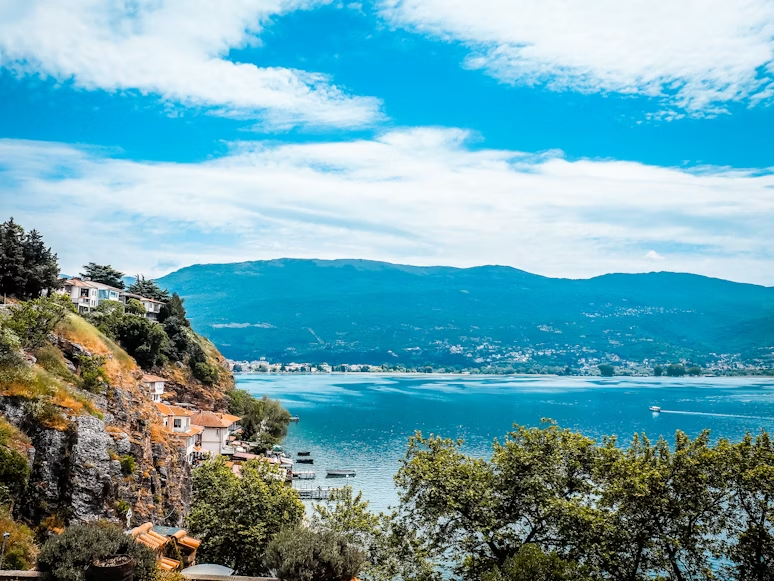
Weather is hot and sunny with long daylight hours.
Crowds peak between mid-July and mid-August.
Best activities:
- Swim in Lake Ohrid.
- Take sunset boat rides from the harbor.
- Walk the promenade after 19:00 when temperatures drop.
Summer is energetic and vibrant but requires planning.
Autumn
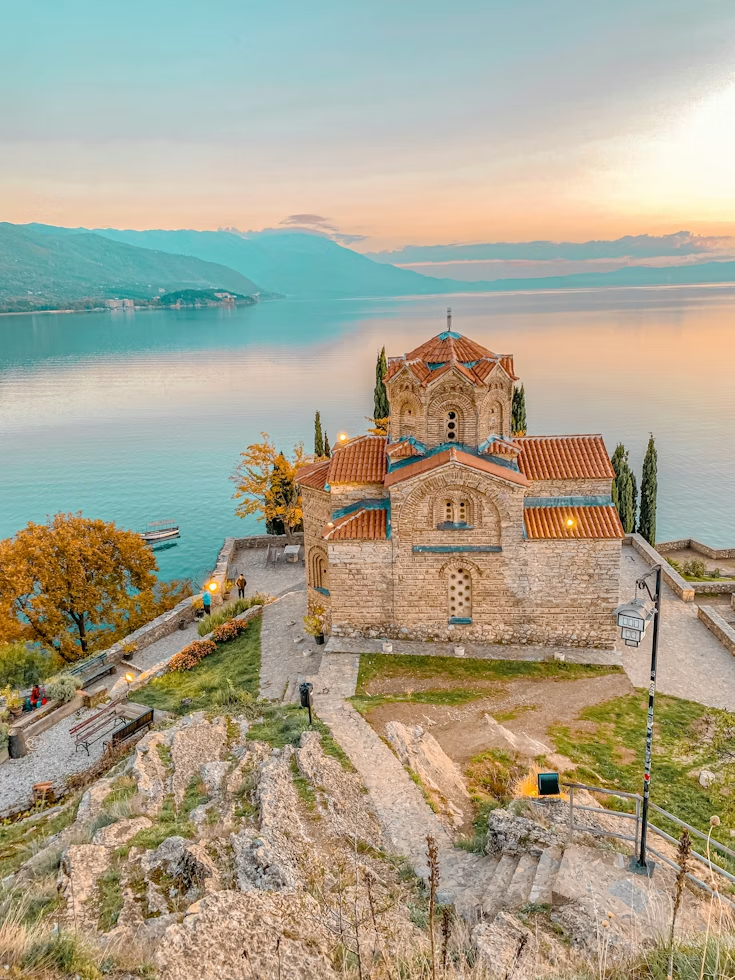
September remains warm, October mild, November cooler.
Crowds drop sharply after early September.
Best activities:
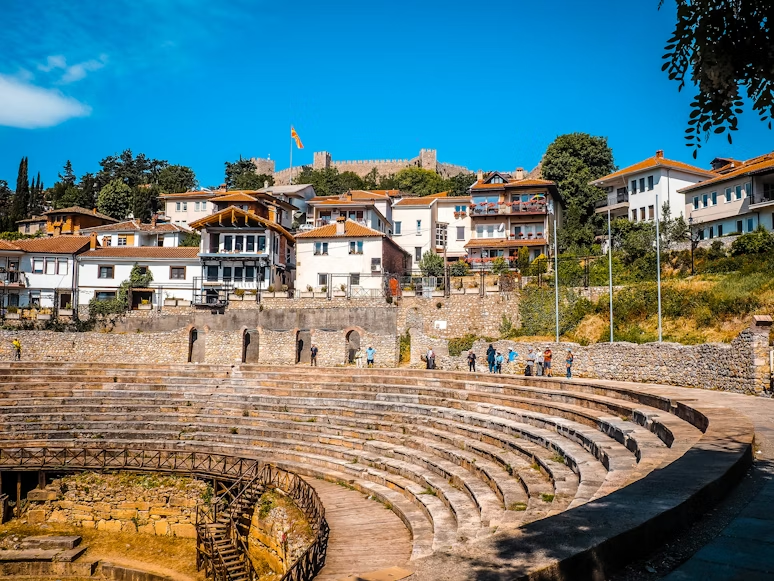
- Visit Ancient Theatre of Ohrid without rush.
- Enjoy relaxed lakeside dinners.
- Take long scenic walks.
September often feels like the most refined version of Ohrid.
Winter
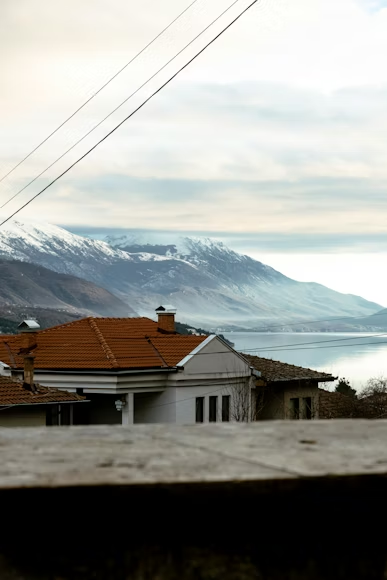
Cool temperatures, calm streets, very few tourists.
Best activities:
- Explore museums quietly.
- Walk the promenade without interruption.
- Experience local rhythm without tourism pressure.
Winter suits travelers seeking affordability and tranquility.
Crowds, Prices, Booking and Logistics
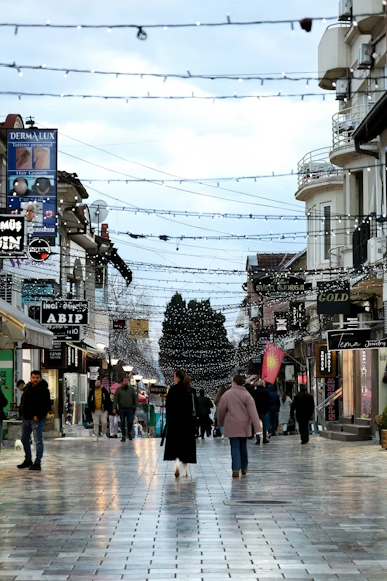
If you want to understand the best time to visit Ohrid from a practical point of view, you need to look beyond temperature. The real difference between seasons appears in three areas:
- What gets more expensive
- How early you need to book
- How easy it is to move around
Ohrid is small. Supply of centrally located accommodation is limited. That is why even a moderate increase in visitors quickly affects prices and availability.
Peak Season: Mid-July to Mid-August
This is the period when regional summer tourism, diaspora visits, and international travelers overlap. The city does not double in size — but demand does.
What Actually Gets More Expensive
Accommodation is the most sensitive category.
The first properties to increase prices and sell out are:
- Lake-view apartments
- Boutique hotels inside the Old Town
- Rooms within 5 minutes of the harbor
- Accommodation with private parking
- Properties with terraces facing the lake
When to Buy Tickets in Peak Season
If traveling between mid-July and mid-August:
Flights:
Buy 2-3 months in advance. Waiting for last-minute deals in summer rarely works in your favor.
Accommodation:
Book 6-8 weeks before arrival for Old Town or lakefront stays. If you want flexible cancellation, secure early and monitor prices.
Car rental:
Reserve at least 4 weeks ahead if needed.
Restaurants:
Reserve 1-2 days ahead for popular dinner time slots (especially Friday and Saturday).
Arriving without confirmed accommodation during peak summer is risky.
How Crowds Change Your Daily Experience
In peak summer:
- Church of St. John at Kaneo attracts the most visitors close to sunset, when people gather for lake views and photography.
- Samuel’s Fortress feels most exposed and busiest during the middle of the day, when tour groups and independent travelers arrive after breakfast.
- Potpesh Beach becomes more active as the morning progresses, especially in July and August.
- The lakeside promenade gains energy in the early evening, when temperatures drop and both locals and visitors go out for walks.
Explore historic landmarks in the earlier part of the day, when streets are quieter and the heat is still manageable. Use the hottest period for swimming in Lake Ohrid, relaxing in shaded cafés, or taking a slower break indoors. Return to viewpoints and the promenade in the early evening, when temperatures drop and the light becomes softer.
This rhythm makes the city more comfortable and reduces unnecessary stress, especially in July and August.
Shoulder Season: May, June, September
For many travelers, this is truly the best time to visit Ohrid from a logistical perspective.
What Changes Financially
Accommodation becomes more balanced:
- Wider choice of central properties
- Less pressure on lakefront inventory
- More negotiation flexibility for 3+ night stays
- Fewer minimum-stay requirements
Flights are easier to book 4-8 weeks ahead without major price spikes.
Car rentals are widely available.
Restaurants rarely require reservations except on weekends.
Booking Timeline in Shoulder Season
Flights:
1-2 months ahead is usually sufficient.
Accommodation:
2-3 weeks before arrival for good central options.
Car rental:
2-3 weeks ahead.
Restaurants:
Walk-in works most days.
This period reduces stress significantly compared to peak summer.
Low Season: November to February
This is the most flexible period of the year.
What Becomes Cheaper
- Boutique hotels reduce rates noticeably
- Lake-view apartments offer winter pricing
- No premium for sunset terrace tables
- Parking is widely available
However:
- Some seasonal lakefront cafés close
- Boat services do not operate regularly
- Evening atmosphere is quieter
Flights can often be booked 3-4 weeks before travel without significant price increases, except during holiday periods.
Public Transport and Local Logistics
Understanding movement inside the city helps you plan better.
Inside Ohrid
The city is compact.
You do not need a car if staying central. Most landmarks — Kaneo, the amphitheatre, the fortress, the promenade — are within walking distance.
Streets in the Old Town are steep and narrow. Driving there in summer evenings can be frustrating.
Taxis are affordable and widely available. For short uphill transfers or late returns, they are practical.
Parking Reality
Summer:
- Street parking near the Old Town becomes more limited in the evenings during peak summer weeks.
- Accommodation with guaranteed parking is valuable.
- Public parking zones may require payment.
Winter:
- Parking is simple and rarely competitive.
Airport Access and Transport Strategy
Ohrid Airport St. Paul the Apostle has a stronger summer schedule. If you travel in July or August, flight options are broader but fill faster.
If arriving late at night in peak season, pre-arranging a transfer can reduce stress.
If you are staying only within Ohrid city and not planning excursions outside the urban area, renting a car is usually unnecessary.
The Real Sweet Spot for Value
If you want strong weather, manageable crowds, reasonable pricing, and minimal logistical stress, the most strategically balanced period is:
- Late May
- Early to mid-June
- Mid to late September
For many travelers, this window represents the true best time to visit Ohrid — not because it is the hottest, but because it is the most efficient and comfortable combination of weather, cost, and movement.
Best Time to Visit Ohrid for a 2-3 Day Trip
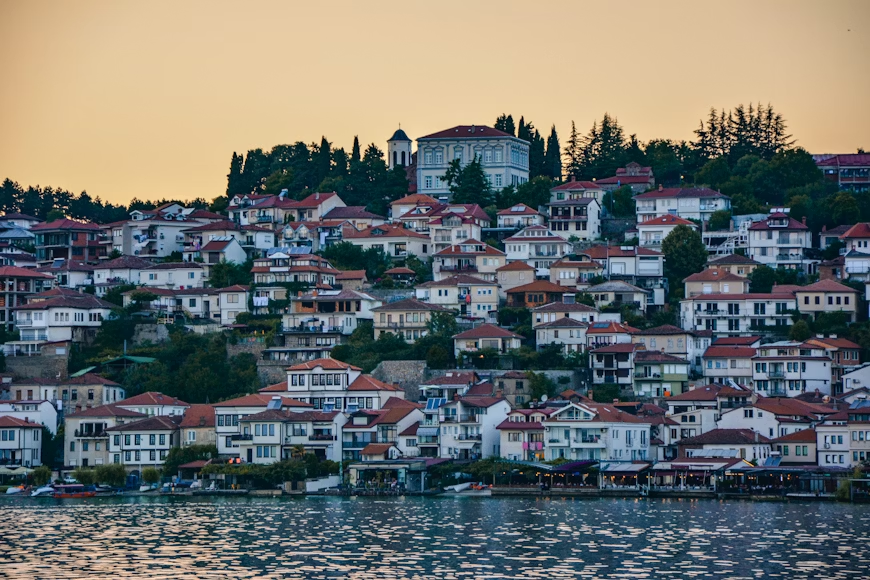
Even if you are staying in Ohrid for several days, it helps to think in terms of themed one-day experiences. The city is compact, and each day can be structured around a specific focus — history, lake time, photography, or relaxed exploration. Choosing the right month enhances each of these experiences.
1. Sunrise and Old Town Walk
Best months: May, June, September
Start near Church of St. John at Kaneo and follow the stone paths through the Old Town while the light is soft and temperatures are still comfortable. Late spring and early autumn provide stable weather and moderate visitor numbers, which makes walking uphill more enjoyable.
This experience works in summer as well, but earlier hours are more comfortable during hotter months.
2. Panoramic Views and Historical Landmarks
Best months: April, May, September, October
Climb to Samuel’s Fortress and continue toward the Ancient Theatre of Ohrid for a history-focused day. Spring and early autumn offer the most comfortable conditions for extended walking without intense midday heat.
These months allow you to combine multiple sites without feeling rushed.
3. Lake-Oriented Relaxation Day
Best months: Late June, July, August, early September
Dedicate a full day to swimming and relaxing by Lake Ohrid. Potpesh Beach and the central lakeside area become most enjoyable when water temperatures are warmer. Summer provides the most reliable swimming conditions.
Plan sightseeing for earlier or later in the day during hotter weeks.
4. Evening Promenade and Dining Experience
Best months: May through September
Spend the day exploring casually, then focus on the lakeside promenade in the evening. Warmer months create a lively but pleasant outdoor atmosphere. Late spring and early autumn often feel especially balanced — active but not overwhelming.
This experience centers more on atmosphere than on specific attractions.
5. Quiet Cultural Exploration
Best months: November to March
Winter offers a slower pace. Walking through the Old Town and visiting landmarks like Ancient Theatre of Ohrid feels calm and unhurried. While swimming is not part of the experience, architectural details and lake views take on a different character.
This option suits travelers who prefer space and minimal tourist presence.
How to Avoid Overpaying: Practical Tactics
Managing expenses in Ohrid is less about hunting for dramatic discounts and more about understanding how seasonal demand affects availability. Because the historic core and lake-facing properties are limited in number, planning ahead usually matters more than waiting for last-minute deals.
Here are practical, realistic ways to control costs.
- Secure summer accommodation early.
During July and August, well-located apartments and guesthouses are reserved faster. Booking in advance expands your options and prevents compromise on location. - Do not rely on last-minute availability in peak weeks.
Late bookings in midsummer often result in fewer choices rather than lower prices. - Look beyond direct lakefront listings.
Properties one street back or slightly uphill from the promenade remain within walking distance of major landmarks while offering a wider range of pricing. - Compare weekday and weekend rates if your schedule allows flexibility.
Short-term fluctuations in demand can influence availability on certain dates. - Consider late September instead of late August.
Early autumn typically maintains comfortable conditions while easing the pressure associated with peak holiday weeks. - If traveling by car, prioritize accommodation with private parking.
Having a guaranteed space simplifies logistics during busier periods.
These adjustments do not depend on unpredictable price drops. They reflect how Ohrid functions as a compact seasonal destination, where timing and location influence cost more than aggressive discount strategies.
Final Thoughts: So When Is the Best Time to Visit Ohrid?
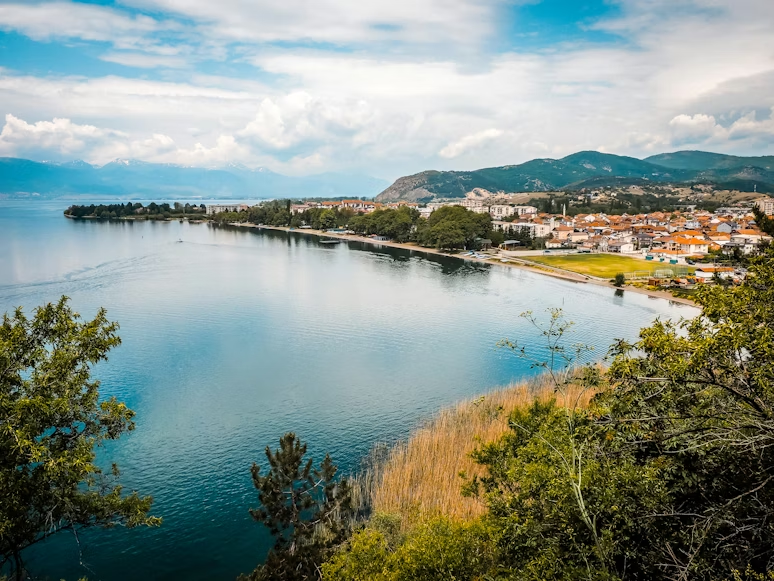
The best time to visit Ohrid depends on your priorities.
- For swimming and vibrant atmosphere, choose July or August and plan carefully.
- For balance, comfort, and reasonable prices, May, June, and September stand out clearly.
- For quiet streets and lower costs, winter offers a different but authentic experience.
Timing shapes your comfort, your budget, and even how crowded your sunset photos will be.
Choose wisely, and Ohrid rewards you with clear lake views, golden light, and timeless stone streets that feel suspended in history.