Themed Hotels in New Orleans: Best Unique Stays and Themed Rooms
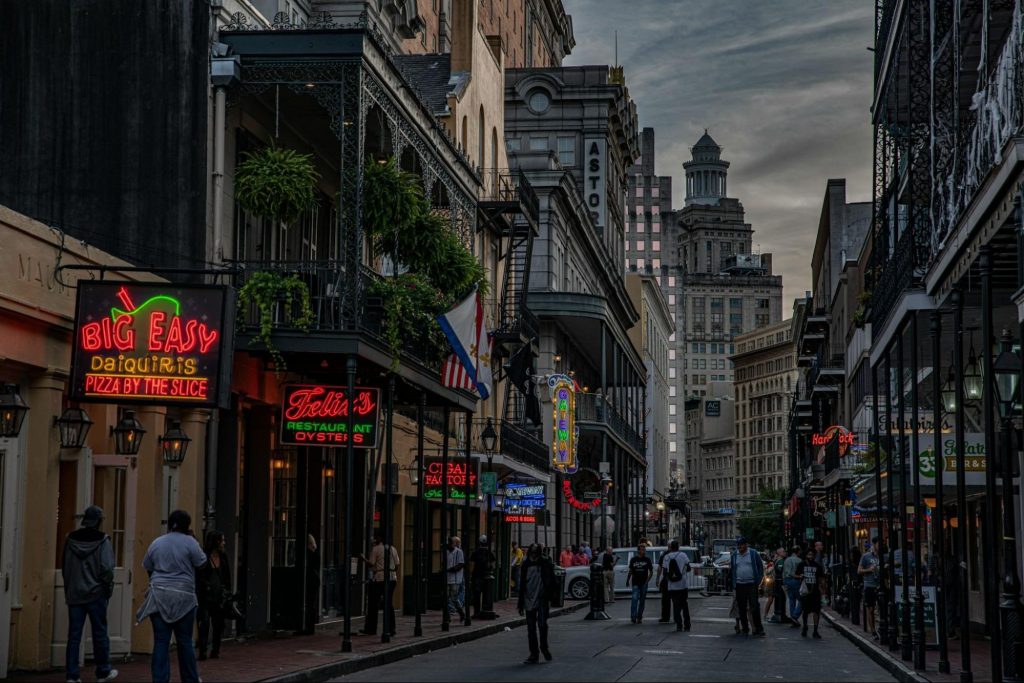
New Orleans is a city where atmosphere matters as much as location. History, music, architecture, and local traditions shape not only the streets but also the places where visitors stay. Here, themed hotels are less about spectacle and more about character, drawing on the city’s layered past, distinctive neighbourhoods, and creative spirit. From historic buildings with strong design identities to concept-driven boutique stays, accommodation often reflects the soul of the city rather than competing with it.
In New Orleans, a “themed” hotel usually means a clear concept expressed through design, storytelling, or cultural references rather than exaggerated décor. These stays suit travellers who want their hotel to feel connected to the city itself, whether through heritage, art, music, or a sense of place. Choosing the right themed hotel rooms in New Orleans can deepen the travel experience, turning accommodation into part of the journey rather than just a place to sleep.
Best Areas to Stay in New Orleans
Choosing the right neighbourhood in New Orleans strongly shapes the hotel experience. Some areas place you in the middle of historic streets and nightlife, while others offer a calmer setting with easier access to local culture. Understanding these differences helps narrow down which themed hotels in New Orleans will best match your travel style.
French Quarter
Best for first-time visitors who want to stay close to landmarks, live music, and nightlife. Everything is walkable, but the area can be noisy at night and accommodation prices are often higher.
Faubourg Marigny
A good option for travellers drawn to music culture and a more local atmosphere. Close to the French Quarter but slightly quieter, though some streets feel lively late into the night.
Garden District
Suited to visitors who prefer elegant architecture and a slower pace. The area feels residential and scenic, but reaching major attractions usually requires public transport or rideshares.
Warehouse District
Well suited for art lovers and travellers looking for modern hotels near museums and dining. It is less atmospheric at night compared to historic districts but offers good connectivity.
Louis Armstrong New Orleans International Airport area
Practical for short stays or early flights, offering easy access to the airport. The main downside is distance from the city’s historic and cultural areas.
So, Which Themed Hotels Stand Out in New Orleans?
Themed hotels in New Orleans are shaped by the city’s history, architecture, and creative culture rather than exaggerated visual concepts. Many properties use a clear design identity, heritage setting, or artistic focus to express their theme, creating stays that feel connected to the surrounding neighbourhoods. From historic buildings with distinctive interiors to boutique hotels built around music or art, themed hotels New Orleans offers vary widely in style while sharing a strong sense of place.
Hotel Monteleone
https://hotelmonteleone.com/?utm_source=google-gbp&utm_medium=organic&utm_campaign=gbp
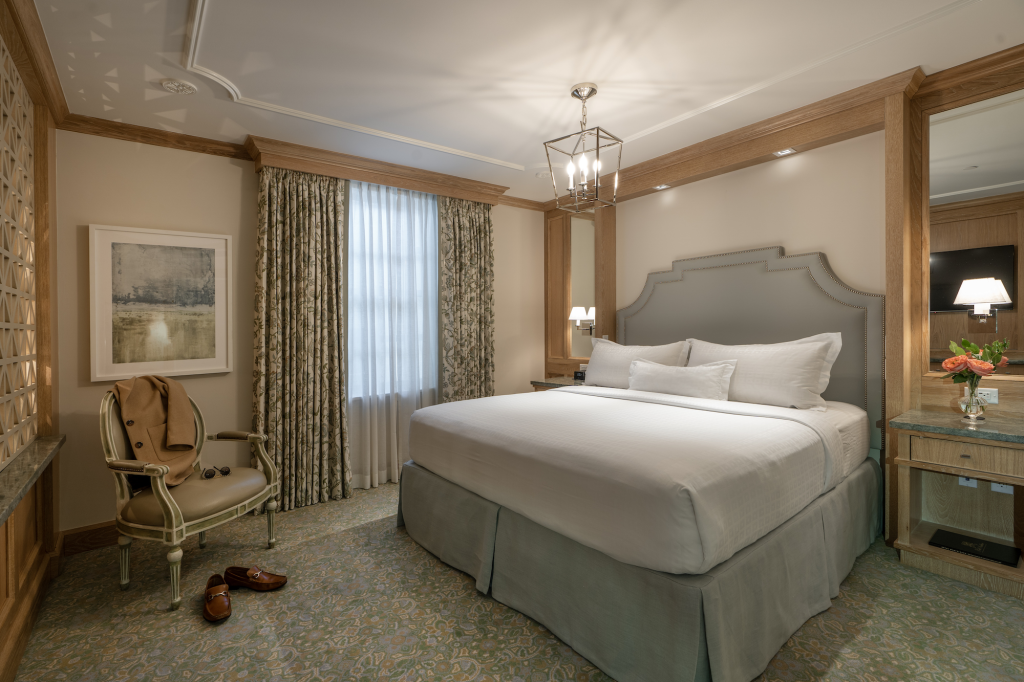
Hotel theme: Historic French Quarter heritage with a literary and social focus
Location: French Quarter, Royal Street. Central and walkable for major sights, with easy taxi and rideshare access.
Why it is themed: The hotel occupies a historic building dating back to the late 19th century. Interiors follow a traditional style aligned with the French Quarter. The rotating Carousel Bar acts as a long-standing social space and is a defining feature of the hotel’s atmosphere.
Best for: Couples and first-time visitors who want to stay inside the historic centre.
Things to do nearby: Jackson Square, French Market, Royal Street galleries, riverfront walks, nearby music venues.
Pros:
- Strong historic character
- Walkable location for sightseeing
Cons:
- Street and nightlife noise is common in the area
Good to know: The French Quarter location means evening noise is common, and shared spaces can feel busy, especially at night.
Tip: Request a room facing an internal courtyard or away from Royal Street for a quieter stay.
Maison de la Luz
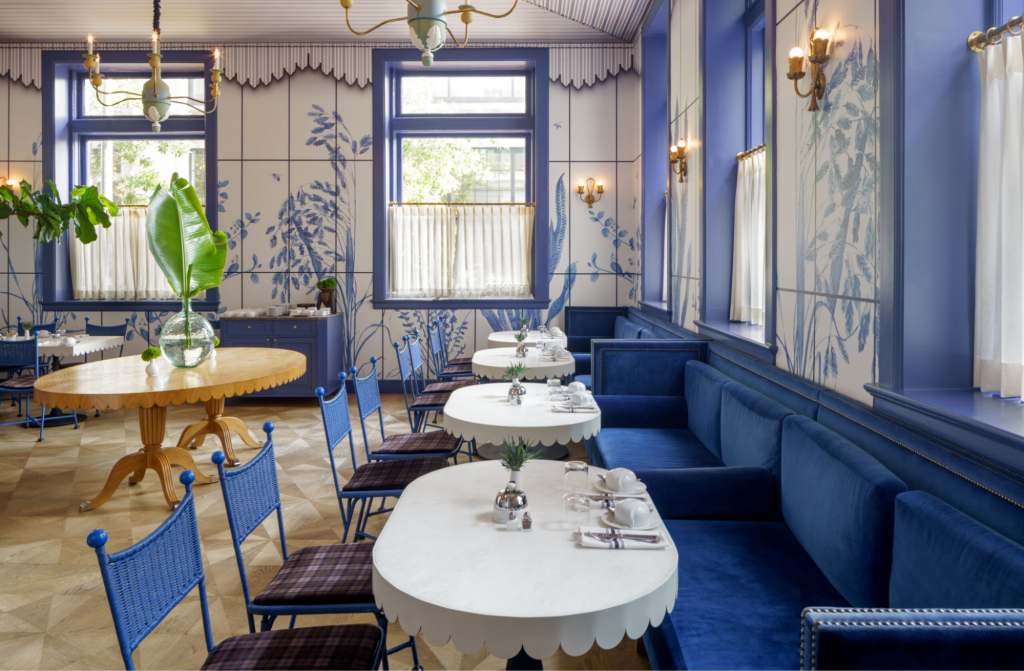
Hotel theme: French-inspired design with a calm, salon-style concept
Location: Warehouse District, close to museums and dining. Walkable to the French Quarter in about 10–15 minutes, with easy taxi and rideshare access.
Why it is themed: The hotel’s concept draws on French salon culture rather than visual spectacle. Interiors resemble private lounges and reading rooms, using subdued colours, layered textures, and carefully selected furnishings. The atmosphere is quiet and residential, consistent across rooms and shared spaces.
Best for: Couples and solo travellers who prefer a calm, design-led stay away from nightlife.
Things to do nearby: National WWII Museum, Warehouse District galleries, riverfront walks, French Quarter dining and music.
Pros:
- Cohesive design concept throughout the hotel
- Quieter setting than central tourist areas
Cons:
- Limited on-site facilities
Good to know: The hotel is small and focused on shared interiors rather than entertainment, and parking is available for a fee.
Tip: This stay works best if you plan to spend some relaxed time on property rather than just using the hotel as a base.
Hotel Peter and Paul
https://ash.world/hotels/peter-and-paul
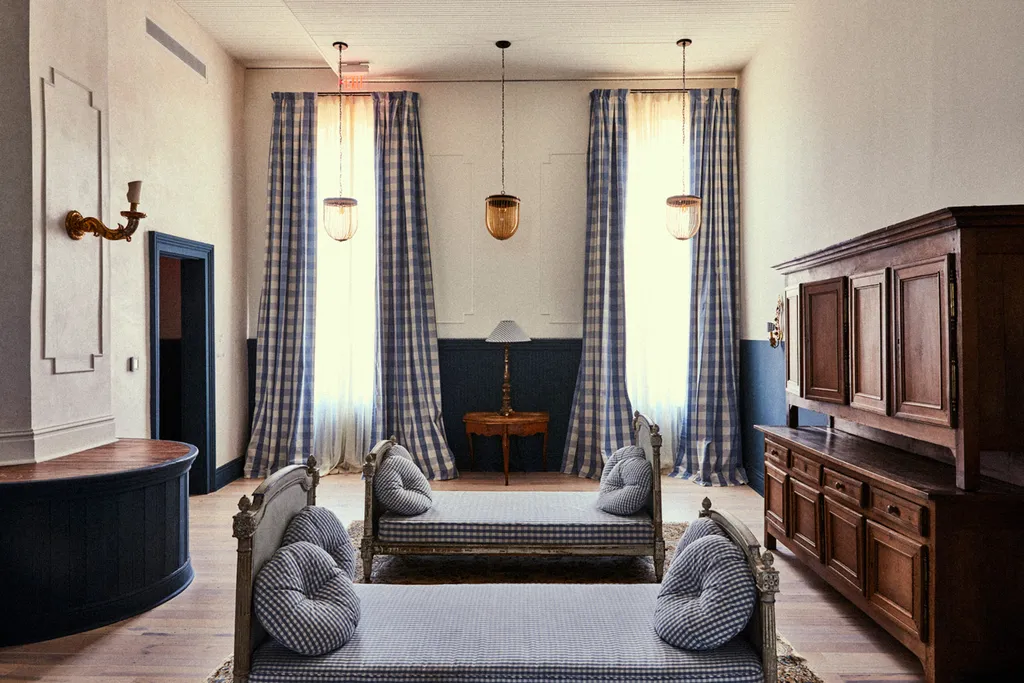
Hotel theme: Adaptive reuse of a historic church complex
Location: Faubourg Marigny, a short walk from Frenchmen Street and within easy walking or rideshare distance of the French Quarter.
Why it is themed: The hotel occupies former church buildings, including a rectory and schoolhouse. Original architectural elements such as high ceilings and tall windows are preserved. Different buildings offer distinct spatial layouts, creating a campus-like feel rather than a single hotel structure.
Best for: Couples and travellers interested in architecture, design, and adaptive reuse.
Things to do nearby: Live music on Frenchmen Street, neighbourhood cafés and bars, walks to the French Quarter, local streets in Marigny.
Pros:
- Strong architectural identity
- Close to music venues without being in the busiest core
Cons:
- Unconventional room layouts
Good to know:
Room sizes, layouts, and access vary between buildings, and some areas have limited accessibility due to the historic structure.
Tip: Check the specific building and room category before booking, as the experience differs noticeably across the property.
The Chloe
Hotel theme: Historic Garden District mansion with a Southern Gothic atmosphere
Location: Garden District, on St. Charles Avenue. Streetcar access to Downtown and the French Quarter, with a quiet residential setting.
Why it is themed: The hotel is set inside a restored 19th-century mansion. Original architectural features such as tall windows and period proportions shape the interiors. Public spaces and rooms retain the feel of a private residence rather than a conventional hotel.
Best for: Couples and travellers who prefer calm, character-driven stays away from nightlife.
Things to do nearby: St. Charles streetcar rides, Garden District walks, Lafayette Cemetery No. 1, Magazine Street cafés and shops.
Pros:
- Strong architectural character
- Quiet residential location
Cons:
- Limited on-site facilities
Good to know: Room layouts and sizes vary due to the building’s historic structure, and the overall atmosphere is intentionally low-key.
Tip: Ask about room orientation and window size, as natural light differs noticeably between rooms.
Henry Howard Hotel
https://www.henryhowardhotel.com/
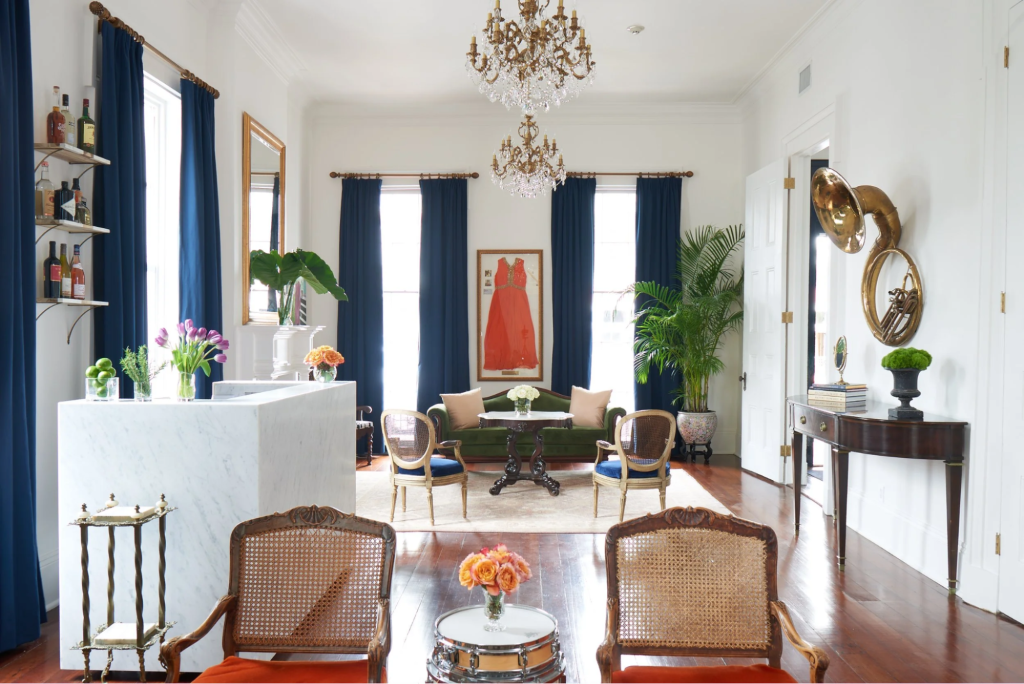
Hotel theme: Historic townhouse reflecting 19th-century New Orleans architecture
Location: Garden District, on Prytania Street. Walkable to Magazine Street, with streetcar access toward Downtown and the French Quarter.
Why it is themed: The hotel occupies a townhouse designed by architect Henry Howard. Original proportions, tall windows, and period details shape both rooms and shared spaces. The atmosphere reflects a private historic residence adapted for short stays.
Best for: Couples, solo travellers, and visitors interested in architecture and local history.
Things to do nearby: Magazine Street shopping and cafés, Garden District walks, Lafayette Cemetery No. 1, streetcar routes to central areas.
Pros:
- Direct architectural heritage
- Calm residential atmosphere
Cons:
- Limited on-site amenities
Good to know: Room layouts and sizes vary, and shared spaces are modest, reflecting the building’s original residential design.
Tip: Upper-floor rooms often feel brighter and more spacious due to window placement.
The Old No. 77 Hotel & Chandlery
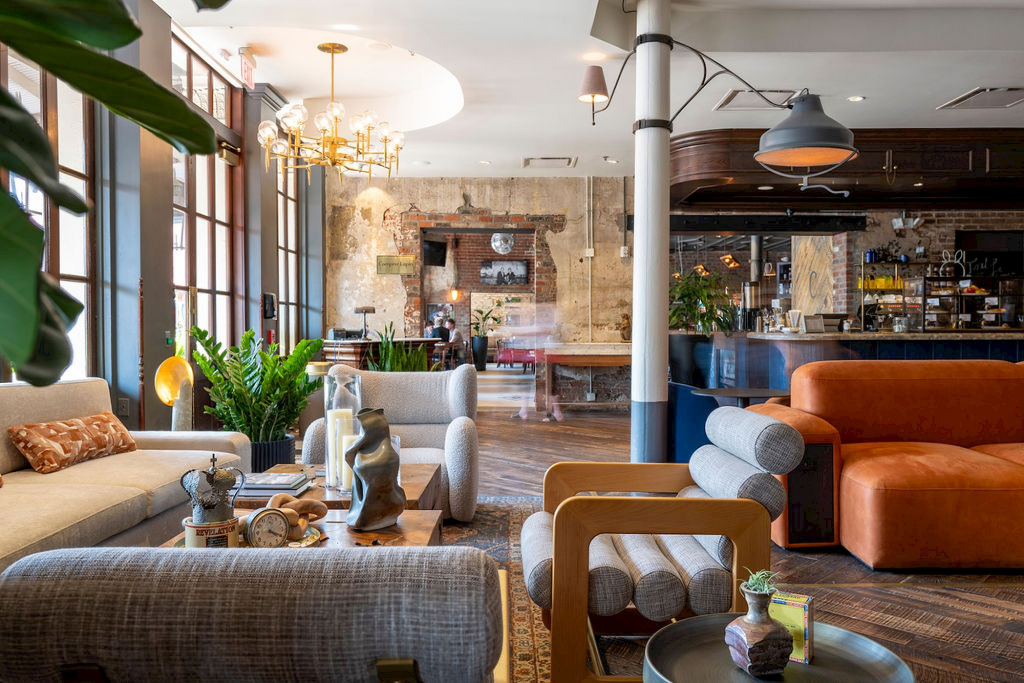
Hotel theme: Industrial heritage paired with local art
Location: Warehouse District, close to museums, galleries, and restaurants. Walkable to the riverfront and reachable from the French Quarter on foot or by short rideshare.
Why it is themed: The hotel is set in a former warehouse and chandlery, with interiors shaped by exposed brick and industrial forms. Works by local artists appear throughout the property, adding a contemporary layer. The theme reflects the district’s industrial past and creative present.
Best for: Travellers interested in art, design, and a central location outside the French Quarter.
Things to do nearby: National WWII Museum, Warehouse District galleries, riverfront walks, French Quarter dining and music.
Pros:
- Clear link between building history and design
- Central location for cultural attractions
Cons:
- Some rooms are compact
Good to know: Room layouts vary, and some retain industrial features such as brick walls or lower ceilings due to the original structure.
Tip: Check room descriptions in advance if interior space is a priority.
The Catahoula Hotel
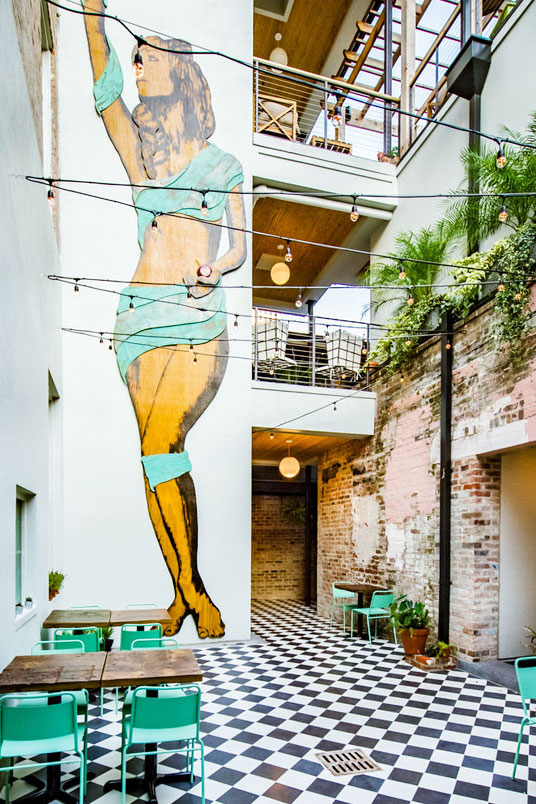
Hotel theme: Contemporary local art and urban New Orleans culture
Location: Central Business District, near Lafayette Square. Walkable to Downtown, the French Quarter, and the Warehouse District, with easy transport access.
Why it is themed: The hotel uses murals, graphic patterns, and curated interiors created by local artists. Design elements vary between floors and rooms, giving each space a slightly different character while staying rooted in the city’s contemporary creative scene.
Best for: Friends, solo travellers, and visitors who enjoy modern, art-driven environments.
Things to do nearby: Downtown dining and bars, French Quarter music venues, galleries and museums, city walks.
Pros:
- Strong connection to local art
- Central location between key districts
Cons:
- Limited on-site amenities
Good to know: Because of the central location, street noise can be noticeable in some rooms, and interior styles vary significantly by category.
Tip: Request a room on a higher floor and away from major streets for a quieter stay.
The Roosevelt New Orleans
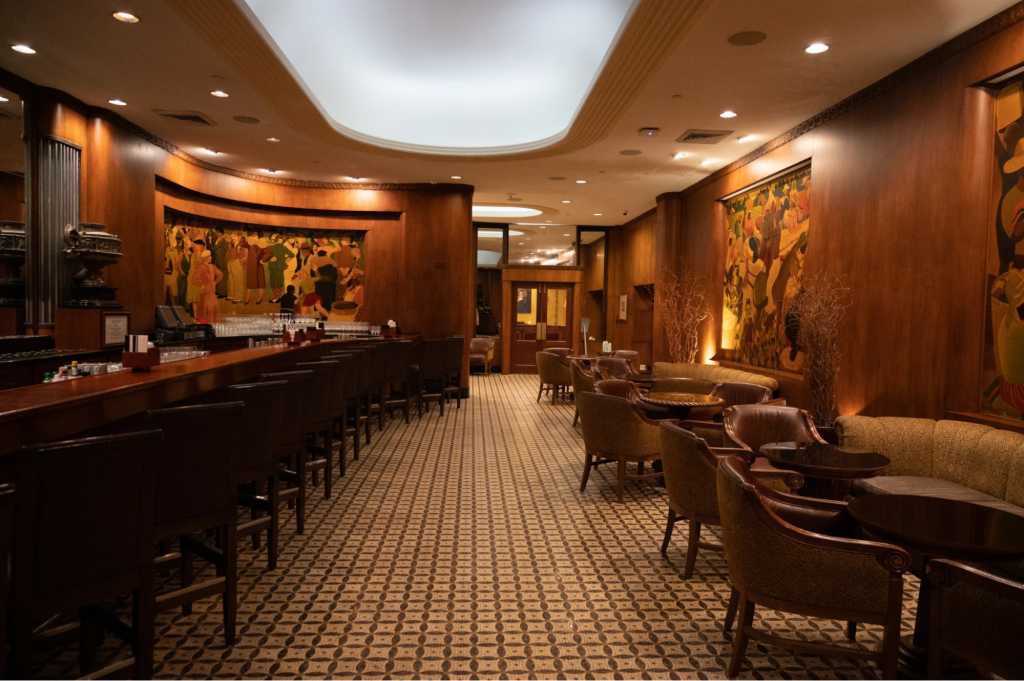
Hotel theme: Historic grand hotel with early 20th-century New Orleans identity
Location: Central Business District, a few blocks from Canal Street and the French Quarter. Walkable for Downtown sights, with easy transport access across the city.
Why it is themed: The hotel reflects the tradition of classic grand hotels that once served as social centres. Large public spaces, preserved architectural scale, and formal interiors shape the atmosphere. The theme comes from continuity with the city’s cultural and social history rather than decorative concepts.
Best for: Couples, business travellers, and visitors who prefer larger historic hotels with a central location.
Things to do nearby: French Quarter walks, Canal Street shopping, theatres, Downtown dining, museums.
Pros:
- Strong historic character
- Central location between Downtown and the French Quarter
Cons:
- Less intimate than boutique hotels
Good to know: Public areas can feel busy during events, and paid parking or additional hotel fees may apply.
Tip: Request a room on a higher floor and away from main public corridors if you prefer a quieter stay.
Tips Before Booking Themed Hotel Rooms in New Orleans
When choosing themed hotel rooms in New Orleans, it is important to understand how each property applies its concept. In some hotels, the theme is most visible in shared spaces, while individual rooms remain relatively neutral. In others, room design, layout, and atmosphere are central to the experience, which can strongly affect comfort and overall impression.
Room selection plays a bigger role in themed hotel rooms New Orleans offers than in standard accommodation. Historic buildings often come with varied room sizes, window placement, and sound insulation. Checking room descriptions and asking about floor level or street exposure helps avoid unwanted noise or limited natural light.
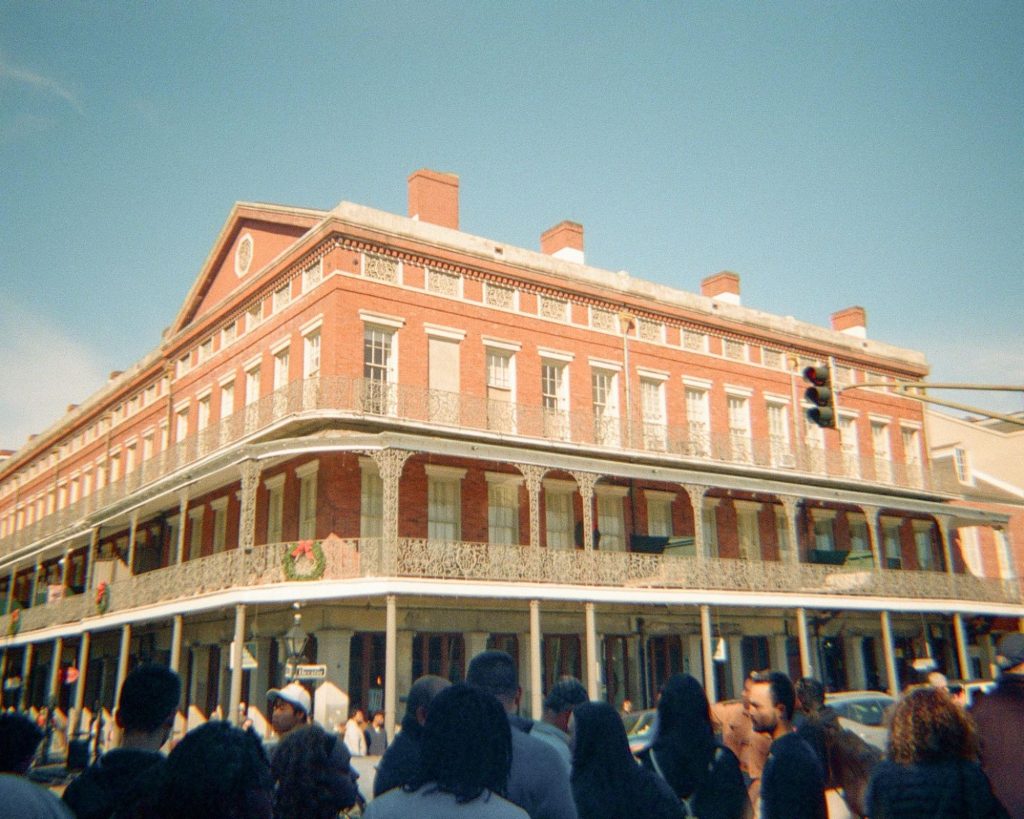
Seasonality and local events also matter. Demand for themed hotel rooms in New Orleans increases during festivals and peak travel periods, and distinctive room categories tend to book out first. Parking fees, additional charges, and the surrounding street environment should be reviewed in advance to ensure the stay aligns with both expectations and travel plans.
So, What Do Themed Hotels in New Orleans Really Offer?
Themed hotels in New Orleans tend to grow out of the city itself rather than stand apart from it. Architecture, neighbourhood history, and local creative culture shape how many of these properties feel, often more than bold décor or staged concepts. Converted townhouses, former church buildings, and long-standing urban hotels show how theming here usually reflects place and context.
The experience inside themed hotel rooms in New Orleans varies noticeably from one property to another. Some stays emphasise quiet residential character, while others sit closer to music venues, galleries, and nightlife. The real difference lies in how strongly the theme carries into the room and whether it fits the rhythm of the trip. When expectations match the concept, accommodation becomes part of the city experience rather than a separate layer added on top.