What Souvenirs to Buy in Barcelona
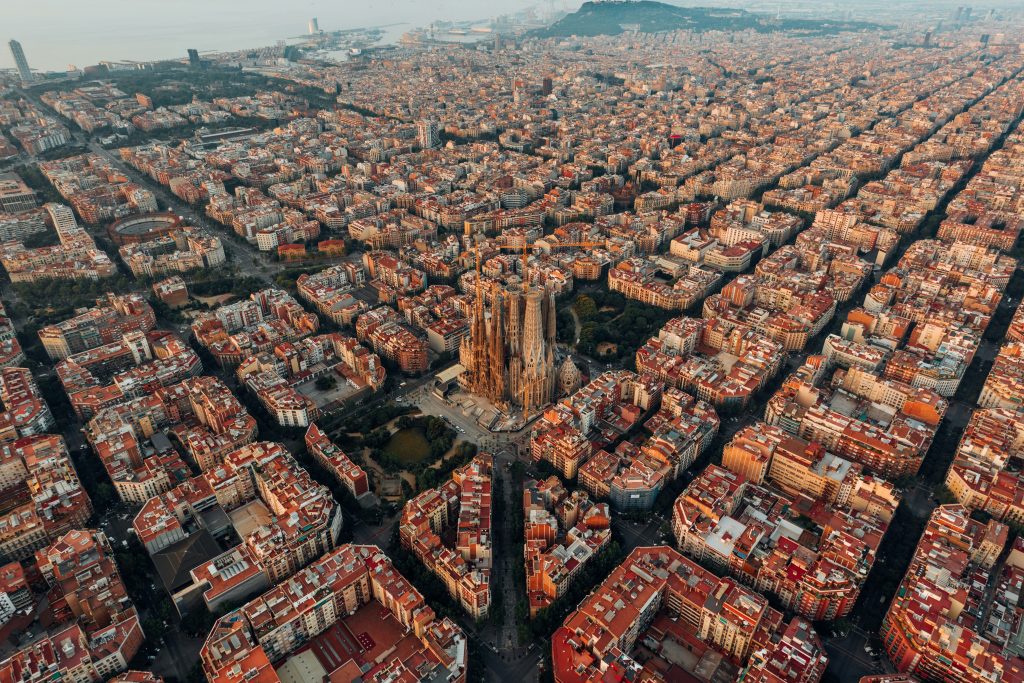
When you ask yourself what souvenirs to buy in Barcelona, you’ve probably seen the same basic set everywhere: “magnets, plates, T-shirts.” In reality, Barcelona is far more interesting — but there’s an important nuance: where you shop matters, so you don’t overpay for cheap mass-produced stuff or end up bringing home a “designer” fake. Here’s what people really buy in Barcelona, how to spot quality and pack it, what to pick up on your last day, and which places are better to avoid.
What to Buy in Barcelona Quickly and Without Missing
Best edible souvenirs:
- Fuet and other Catalan cured sausages — compact, easy as a gift, and simple to find in good packaging.
- Catalan olive oil — a “grown-up” souvenir people actually use, not something that just sits on a shelf.
- Turrón (turrón) or good chocolate — a safe option when you need “a little something for everyone,” with no risk of leaks.
Best non-food items:
- A print/poster or a book about Barcelona — best to look in museum shops and bookstores; print quality is usually better.
- Small Catalan-style ceramics (an accent tile, a coaster, a small plate) — buy where they give you a box and a receipt, not on a “tourist street.”
Best gifts for colleagues:
- Small boxed sweets (turrón/chocolate) — light, affordable, and easy to share.
- Postcards/pencils/a notebook from a museum shop — looks decent and doesn’t take up space.
Best budget souvenir:
- A good postcard or mini print (not a “fridge magnet”), especially if the paper is thick and the print is clean.
What to buy on your last day (in the center or on the way):
- A museum shop — quick, nicely packaged, and less chance of running into fakes.
- Packaged food gifts (jars, sweets, sausages) — from a market or a deli, if you ask for proper packaging.
What’s better not to buy:
- “Brands at a ridiculous price,” designer copies, and sketchy “luxury” from souvenir shops — it’s almost always a bad idea.
Top Souvenirs from Barcelona
Olive oil (better a small bottle or a mini set)
This is that “grown-up” souvenir that doesn’t just sit on a shelf — people actually use it. To avoid questionable quality, look in delicatessens, specialty shops, or trusted stalls at markets. Since it’s a liquid, the logic is simple: olive oil goes in checked luggage, ideally in a zip-seal/leakproof bag and then one extra bag just in case.
Approx. price: €9-€14 for 250 ml (a common online price for good EVOO in this size).
Important: check that the cap has a safety ring/seal and that the bottle isn’t leaking.
Turrón (turrón) or quality chocolate
If you need a “something small for everyone” option with no travel surprises, turrón or good chocolate is almost fail-safe: light, doesn’t leak, and doesn’t smell. For a quick and budget pick, grab it in a supermarket; if you want it to look more gift-like, stop by a pastry shop or a deli. You can pack it in carry-on or checked luggage — just don’t crush it under anything heavy.
Approx. price: €4.5-€13 for 300 g (depends on brand/store; in duty free you may see prices around €12.95).
Important: a box or sturdy packaging is better so the bars don’t turn into crumbs.
DShop (Disseny Hub Barcelona): design objects, prints, jewelry, books
If you want a souvenir without kitsch but with real character, Barcelona does design very well and DShop is exactly about that. They list books, design objects, graphics, photography, and jewelry: dissenyhub — meaning you’re buying something with a name behind it, not random décor. Usually it’s easiest to pack in carry-on; for anything fragile, keep it in its box and add extra protection when packing.
Approx. price: €20-€60+ (printed items/posters often closer to 20-30; objects tend to be higher).
Important: it’s easier here to buy something with clear author/brand identification, not “design with no name.”
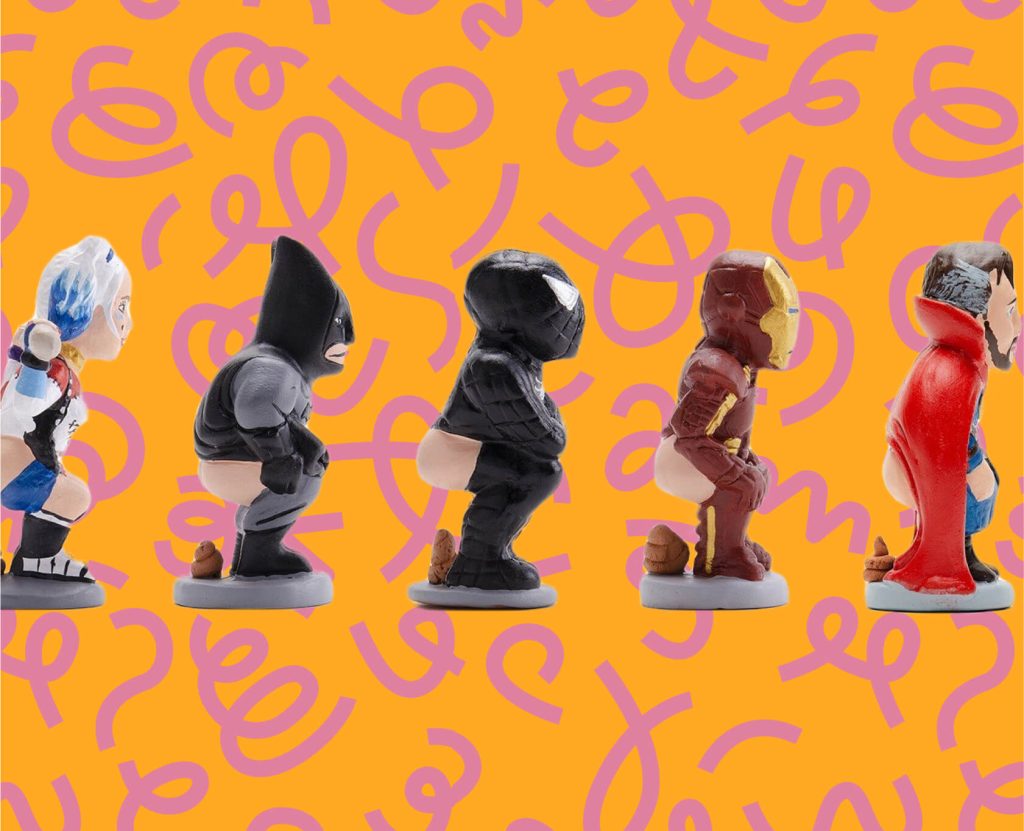
Caganer — a traditional Catalan figurine (with humor)
If you want something local as much as possible, the caganer is one of the most memorable options: weird, funny, and very Catalan. For a proper figurine (not cheap souvenir plastic), it’s better to buy from specialized makers/shops, for example. You can pack it in carry-on or checked luggage — the key is proper packaging, because many figurines are quite fragile.
Approx. price: €10-€22 for small/classic figurines (based on the maker’s catalog).
Important: “too cheap and no packaging” often means souvenir plastic, not a proper figurine.
Unique Souvenirs from Barcelona
An art book/album “Picasso and Barcelona” or quality prints/postcards from a museum shop
Museum merchandise is usually neater in terms of print quality and design — and it looks like a “cultural” souvenir, not something from a tourist-street shop.
Where to buy: the Museu Picasso bookshop (Laie) explicitly describes its selection: objects, postcards, prints, and books, including “Picasso and Barcelona.”
A small home item in Modernisme/Gaudí style (but in the “right format”)
Instead of a T-shirt, choose a small object (a coaster, a mini décor piece) that actually fits into a home interior.
Where to buy: shops that clearly state it’s ceramic/a replica and provide proper packaging.
A mood souvenir with a Catalan tradition: Tió (if you want something truly local)
This is part of Catalan culture, and as a gift it often gets a “wow, what is this?” reaction.
Where to buy: from caganer makers / traditional figurine producers (it’s often part of the same product range).
What Food to Bring Back from Barcelona + Packing Tips
Bringing food back from Barcelona is easiest when you stick to things that travel well and still feel like a proper gift. Seafood conservas in tins — anchovies, sardines, tuna — are a solid choice: compact, long-lasting, and stress-free in transit. Pack the tins in checked luggage, ideally in the middle of the suitcase so they don’t get dented.
Another safe pick is Spanish paprika (pimentón) and spice blends. They’re light, affordable, and they actually “work at home” — the aroma and flavor will bring you right back to the trip. Just make sure they’re tightly sealed, and slip them into an extra zip bag so nothing spills or perfumes your suitcase.
If you want something small that still reads as a more premium foodie souvenir, go for saffron. It’s a dry product, so it’s easy to carry in your hand luggage, as long as it’s in proper factory packaging.
When you’re short on time, ready-made food gift sets from a deli (small jars plus sweets) are the easiest solution. Ask for sturdy, protective packing, and put anything glass or liquid in checked luggage.
For where to buy: markets and food halls give you the widest choice, delis are usually more reliable for packaging and quality, and supermarkets are best when you need something fast and budget-friendly.
Where to buy (quick): markets and food halls have the widest choice, delis are usually more reliable for packaging and quality, and supermarkets are best when you need something fast and budget-friendly.
What Drinks to Buy in Barcelona and How to Pack Liquids
Red/white Catalan wine (a “grown-up” gift)
Why it’s worth it: a logical souvenir if you know what people like — not a “tourist thing,” but a genuinely usable gift.
How to pack it: best in checked luggage (glass + liquid). Place the bottle in the middle of the suitcase and cushion it with clothes.
Olive vermouth / aperitifs (variations, not only the “classic” one)
Why it’s worth it: it’s part of Barcelona’s aperitif culture, and you can pick something less obvious than the standard “random bottle.”
How to pack it: checked luggage or duty free.
Non-alcohol option: syrups / tonics for cocktails (if you need “no alcohol”)
Why it’s worth it: looks like an interesting gift for people who don’t drink, and it actually gets used at home.
How to pack it: checked luggage (it’s liquid), plus a leakproof bag + an extra bag layer.
How to carry liquids
- Carry-on: usually only containers up to 100 ml, all together in one clear bag (unless it’s duty free).
- The safest option: put bottles in checked luggage, wrap them in clothes, and keep them in the center of the suitcase.
- Leak protection: a zip bag / airtight bag + another outer bag (in case a cap loosens).
- Duty free helps if you’re buying right before the flight: packaging is often travel-ready, but glass still shouldn’t be squeezed or crushed.
Handmade & Traditional Crafts
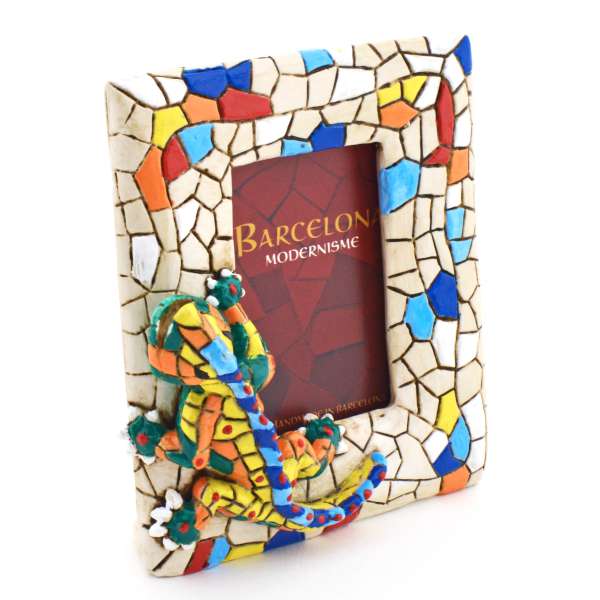
Handmade ceramics from the Gothic Quarter / El Born (small pieces: a cup, coaster, mini vase)
In the old town there are plenty of small workshops and studios that sell real artisan ceramics — not “souvenir plastic.”
Where to buy: local makers and small ceramic studios (look for the maker’s name/brand, a receipt, and proper packaging).
How to pack: checked luggage, in a box + cushioned with clothing; check for chips before you buy.
Handmade leather goods “made in Barcelona” (wallet / belt / cardholder)
The city has craft leather workshops, and small leather items are some of the most practical handmade souvenirs.
Where to buy: specialized leather shops/ateliers with clear origin and material info (avoid tourist streets).
How to pack: carry-on.
Important — a price that’s too low for “handmade leather” is often a sign it’s an imitation.
Engravings / linocuts / screen prints with Barcelona themes (not photo posters — real printmaking)
The city has a lot of artists and print studios; handmade graphics look “grown-up” and not like mass postcards.
Where to buy: art shops, print studios, small galleries (look for an author name, edition number, signature).
How to pack: carry-on, between two rigid sheets of cardboard or in a tube.
How to tell it’s not a cheap imitation (quick checklist)
- The price is unrealistically low: for “handmade/design,” that usually means mass-produced “in the style of.”
- Material & weight: ceramic/glass shouldn’t feel hollow or weightless; glaze shouldn’t have bubbles or sticky spots.
- Labeling: maker/brand name, country of origin, materials — all good signs.
- Packaging & receipt: legit shops don’t hide — they give a receipt, a box, often a branded card/insert.
- Too many perfect duplicates: if you see 50 “identical” items, it’s usually a tourist factory product, not a workshop.
Skincare & Beauty: What to Bring Back from Barcelona If You Want Something “Local”
If you like bringing home something you’ll actually use — not a magnet, but a little jar or tube — Barcelona is a good city for that. There are plenty of pharmacies, several Spanish skincare brands, and a few perfume houses with a long history. The main rule is simple: buy only from proper shops or pharmacies, with intact packaging and clear labeling.
1) Natura Bissé
A solid choice if you want a neat “from Barcelona” gift and you’re looking for face or body care.
Where to look: beauty stores and official points of sale (not tourist-street souvenir shops).
What to check: seals, expiry date, and mini sizes — they’re easier for flying.
2) ISDIN (SPF and pharmacy skincare)
Sunscreen and after-sun products are exactly what people buy in Barcelona with no extra romance — simply because they need them.
Where to look: pharmacies (farmacia) — it’s easier to trust authenticity and storage.
What to check: expiry date and that the tube is unopened; for carry-on, choose a compact size.
3) MartiDerm (ampoules/serums)
If you want something “pharmacy-style” and straightforward, without decorative fluff — ampoules and serums are often bought as a small, useful souvenir.
Where to look: pharmacies and dermocosmetics sections.
What to check: the box should be sealed and undamaged (avoid “loose” ampoules with no outer packaging).
4) Carner Barcelona (fragrances + sometimes skincare)
For perfume lovers who want a scent that feels tied to the city, not “generic duty free.”
Where to look: official stores/authorized partners.
What to check: start with minis or a discovery set — easier to choose and easier to pack.
5) Santa Eulalia Perfumes
If you want something more old-city and atmospheric, this is one of those brands where the story and style matter more than a loud logo.
Where to look: their official locations.
What to check: a small bottle or a travel spray is more practical than a large glass flacon.
Who to Buy What in Barcelona: a Quick Guide (and How to Avoid the Tourist Traps)
In Barcelona, gifts work best with a simple logic: either it’s food in proper packaging, or culture/design that looks clean and doesn’t scream “tourist.” The center is packed with shops where everything looks the same and quality is often questionable, so one rule really helps: buy food where locals actually shop (markets, delis), and buy “things” where there’s a maker, a brand, or a museum shelf behind it.
For family, “at-home” souvenirs usually land well: a small mix of foodie items (jars, sweets, something dry and travel-friendly) or a bit of ceramic — but not from tourist-street windows. Choose places that pack items properly and give you a receipt. And if someone in the family loves seeing cities “with their eyes,” Barcelona is the perfect excuse to bring back a book or album about architecture, neighborhoods, and Modernisme — it feels grown-up and won’t just collect dust.
For friends, Barcelona shines with visual gifts: a print, postcards on good paper, a small designer item for the home or desk. The key is not grabbing the first “Gaudí-style” thing you see on La Rambla — a lot of it looks pretty but is cheap in reality. It’s safer to pick something with clear origin, even if it’s just a clean print or a simple object with no loud branding. If your friends like drinks, you can bring something local — just stick to factory-sealed packaging and think ahead about checked luggage.
For colleagues, the most reliable Barcelona strategy is “easy to share and easy to carry”: a boxed sweet, a set of postcards, decent stationery, small food gifts in jars. These don’t need explanation and don’t look like cheap mass souvenirs. And the best part: you can buy all of this quickly, even on your last day, without hunting for “something special.”
For kids, don’t overcomplicate it: an illustrated book about the city, a small game or puzzle in a compact box, stickers or a sketchbook. Barcelona is overloaded with “bright kids’ souvenirs” in tourist areas, but the quality is often questionable plastic — so it’s safer to buy children’s items in bookstores or museum shops, where the materials and print quality are usually clearer.
Where to Buy Souvenirs in Barcelona (So You Don’t End Up with Cheap Tourist Stuff)
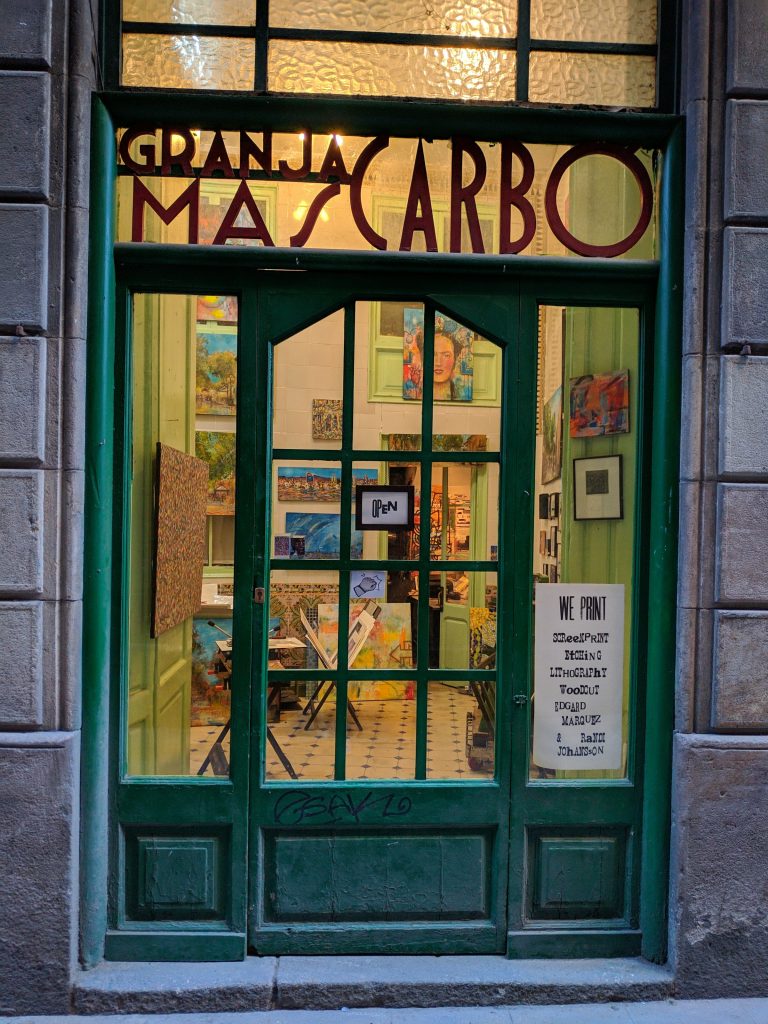
In Barcelona, the rule is simple: the closer you are to the most touristy streets, the higher the chance you’ll buy the same mass-produced stuff — and overpay for it. That’s why it helps to know in advance which places are best for what, and where you should shop only as a last resort.
Markets and food halls
Pros: huge food selection; you can build gifts fast (jars, sweets, sausages, spices).
Cons: in the most famous spots, a lot of stalls are “tourist displays,” and prices are often higher than in less touristy areas.
Look for vendors locals actually buy from (a real queue, fast turnover), and pick items they can seal properly. Factory-sealed products are safest, or ask for vacuum packing.
Specialty shops and delis
Pros: quality is usually more consistent, packaging is better, and there’s less risk of leaks or strong smells.
Cons: more expensive than markets or supermarkets.
Olive oil, drinks, “gift-style” jars — it’s easier to ask for proper packing and travel with it safely.
Museum shops
Pros: clean design, good paper quality, strong books/postcards/prints — and very little loud “souvenir” vibe.
Cons: not always cheap, but usually fair for the quality.
If you want a cultural gift that looks presentable and doesn’t feel like a corner-shop purchase.
Design shops and local brands
Pros: the best way to buy something truly unique (jewelry, posters, small home objects).
Cons: easy to fall in love and blow your budget.
Pick items where the author/brand is clear, there’s proper labeling, and decent packaging — that’s how you avoid factory-made “design-style” imitation.
Tourist streets and souvenir shops
Why it’s a risk zone: lots of identical items, “brand-style” copies, and things that look good only in the window.
Small stuff you don’t need to quality-check (a simple postcard, a cheap small box of sweets). Anything “designer” or “brand” is better avoided.
The airport
What’s convenient to buy: drinks, packaged food, chocolate/sweets — things already prepared for travel, with no need to hunt for packaging.
“Souvenir sets” and non-food items that would cost less in the city.
If you’re short on time
- 20-30 minutes in the center: go to a museum shop or a big bookstore — easy to grab postcards/prints/books, everything looks decent, and packaging is usually available.
- Edible and low-risk on the last day: choose packaged products from a deli or a large supermarket — ideally items that don’t leak and won’t make your whole suitcase smell.
How to Shop Smart in Barcelona: 5 Rules to Avoid Tourist Junk
In Barcelona, the main risks are tourist shops in the center, “brand-style” copies, and “designer” items with no real maker behind them. To avoid bringing home disappointment, keep these five rules in mind:
1) If “designer/handmade” is too cheap, it’s almost always an imitation
For ceramics, leather, jewelry, and prints, a price that’s basically “magnet-level” usually means factory-made tourist mass production.
2) Check the item’s “passport”: labeling, maker/brand, and a receipt
A legit purchase almost always has at least a maker/brand name, material info, and clear origin. If it’s anonymous and “just pretty,” the risk of a bad buy is high.
3) Food only if it’s sealed: expiry date + packaging that won’t leak or stink up your suitcase
Factory-sealed packs or vacuum packaging are safest — especially for oily or marinated items.
4) Buy fragile things only where they’ll pack them properly
Ceramic/glass: no chips, decent thickness, and a box (or at least solid protection). If there’s no packaging, it’s not your souvenir — no matter how good it looks.
5) Be careful with “branded” items and copies in tourist areas
It’s both a quality issue and a potential problem during checks. If something looks like “luxury” but comes with no documentation and a suspiciously low price — just walk away.
How to Pack Barcelona Souvenirs (and Get Them Home Without Stress)
The most common post-Barcelona story: your suitcase smells like food, a bottle leaked, and a ceramic piece arrives with a crack. To avoid all that, you only need a few simple rules: some things go in checked luggage only, some belong in carry-on, and you always plan for leaks and breakage.
Checked luggage is the right place for anything that can trigger liquid rules or is simply heavy: bottles, jars, olive oil, marinades, and big food packs. Carry-on is for anything that’s easy to bend, crush, or break — and anything you want to keep under control: books, postcards, prints, stationery, small jewelry, and fragile small items if you’re not 100% confident in the store’s packaging.
Liquids: double protection is the whole game
With olive oil, vermouth, wine, and sauces, think “two layers.”
- First layer: a leakproof bag / zip bag / tight plastic bag.
- Second layer: another bag over it.
Pack the bottle in the center of the suitcase and cushion it with clothes on all sides. It sounds boring, but it works: if a cap loosens even slightly, you save not just your belongings, but your mood too.
Fragile items: packaging matters more than the “fragile” sticker
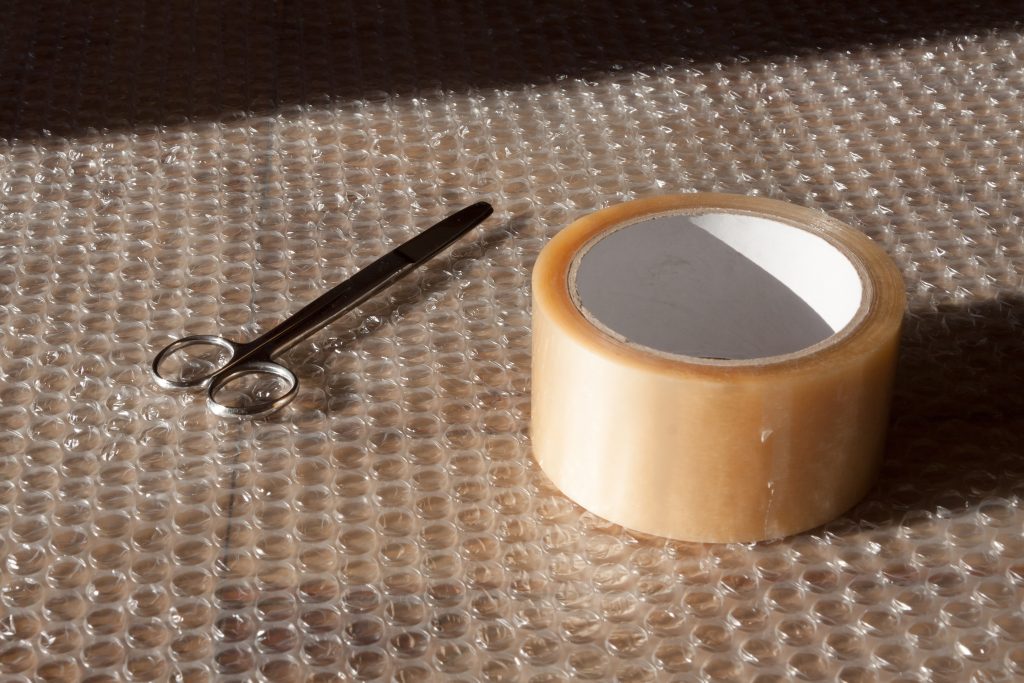
If you’re buying ceramics, ask for a box and proper wrapping right away. At home you won’t remember where to find bubble wrap — in Barcelona they’ll often pack it for you on the spot. In your suitcase, keep fragile items closer to the center and lock them in with soft clothing so they don’t move. A “fragile” label is nice, but your internal packing is what actually protects the item.
Food: no smell, no crumbs, no leaks
It helps to split edible souvenirs into two groups:
- Dry and “safe” (sweets, nuts, spices): put them in a box or a sturdy bag so they don’t get crushed into dust.
- Smelly or leak-prone (marinades, pâtés, jars): only airtight, and packed separately — ideally in an extra bag.
For spices and paprika, an extra zip bag is a smart move: if the original packaging tears, your suitcase will smell like “Barcelona” for a very long time.
What You Shouldn’t (or Really Don’t Need to) Bring Back from Barcelona
It’s best to skip anything that can turn your trip home into a mini quest. Perishable food with no proper packaging is a bad idea: on a flight and in checked luggage it quickly loses its shape, starts smelling, and can leak. For the same reason, don’t travel with liquids “as they are” — olive oil, sauces, marinades, and drinks without airtight protection often end with a wet suitcase.
Another clear risk zone in Barcelona is “branded” copies and questionable “designer” items from tourist streets. It’s usually disappointing quality and can cause trouble during checks. If you want an accessory or jewelry, choose something with a clear maker/brand and a receipt — not “almost luxury for pennies.”
Plants, seeds, and “dried herbs” are also not worth experimenting with: import rules can be strict, and these items often trigger extra questions at control. Same story with “antiques,” vintage objects, and art: without documents and clear provenance, a purchase can turn into a problem when leaving the country.
One quick note just in case: exact restrictions depend on your destination country, airline, and route, so it’s worth a fast rules check before you fly — it takes a couple of minutes and can save both your purchase and your nerves.
In Barcelona, the easiest way to get it right is to choose souvenirs using three simple scenarios: universal — a box of sweets or a neat “cultural” gift from a bookstore or museum shop; budget and low-risk — postcards, stationery, small packaged food treats; for yourself — something you’ll actually use at home (ceramics, a book, a small design object), bought where the materials, origin, and packaging are clearly stated. And most importantly: it’s better to bring back fewer items of good quality than a suitcase full of identical “tourist” things that you’ll get tired of quickly.