Tipping Culture in Vienna: What’s Expected and What’s Optional
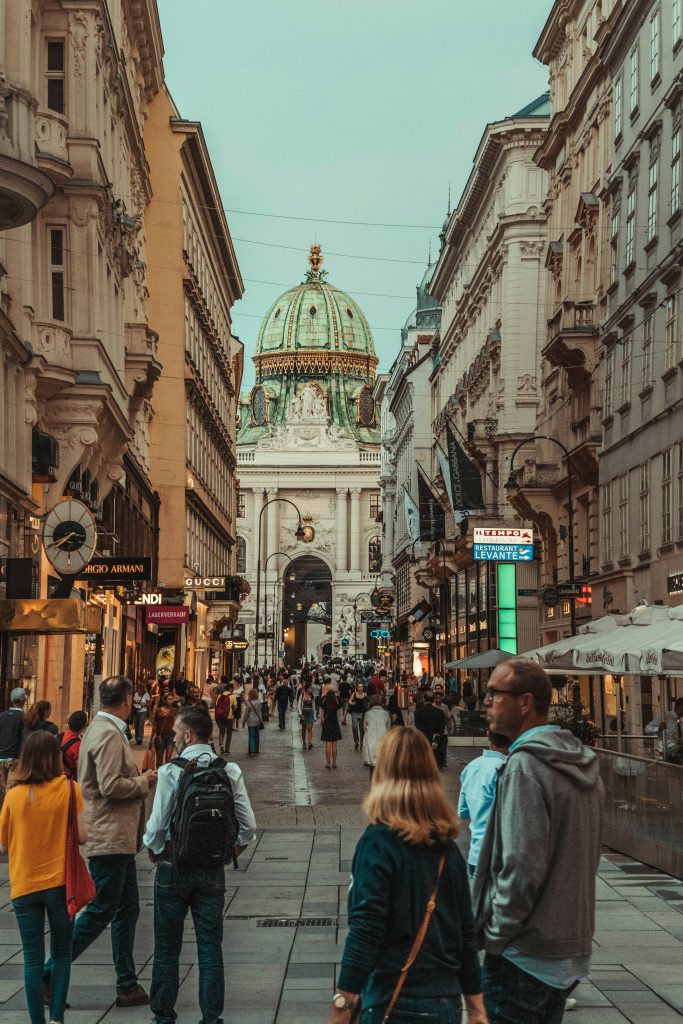
Arriving in Vienna often means adjusting to small cultural nuances that are easy to overlook at first. Tipping is one of them. Expectations are neither strict nor completely absent, which is why many visitors pause when the bill arrives and wonder what feels appropriate in the moment.
Tipping culture in Vienna sits somewhere between tradition and practicality. Austria does not follow a system where gratuities are mandatory, yet leaving something extra remains a familiar part of everyday service interactions. With card payments common but cash still widely used, and with some bills already reflecting service costs, the situation can feel slightly unclear for travellers.
Many first time visitors ask themselves a simple question: do you tip in Vienna at all, and if so, how much is considered normal? The answer depends on the setting, the way the bill is presented, and the level of service you receive. Understanding these small details helps avoid awkward moments, unnecessary over tipping, or uncertainty when paying.
The Essence of Tipping Culture in Vienna
To understand how tipping works in Vienna, it helps to start with one central idea: gratuities are not considered mandatory. Service staff in Austria are paid structured wages, and tips are not expected as a built in part of income. This creates a more relaxed environment where leaving something extra is treated as a gesture rather than a requirement.
Unlike systems where employees rely heavily on tips, hospitality workers in Vienna typically do not depend on percentages from each bill. In everyday situations, neither locals nor staff assume that a tip will automatically follow. This often surprises visitors who are used to stricter tipping cultures.
The most typical approach is simple rounding. Instead of calculating a fixed percentage, many people round the bill up to a convenient number or add a small amount as a thank you for attentive service. For travellers wondering how much to tip in Vienna, this rounding habit explains why exact percentages are rarely discussed in local settings.
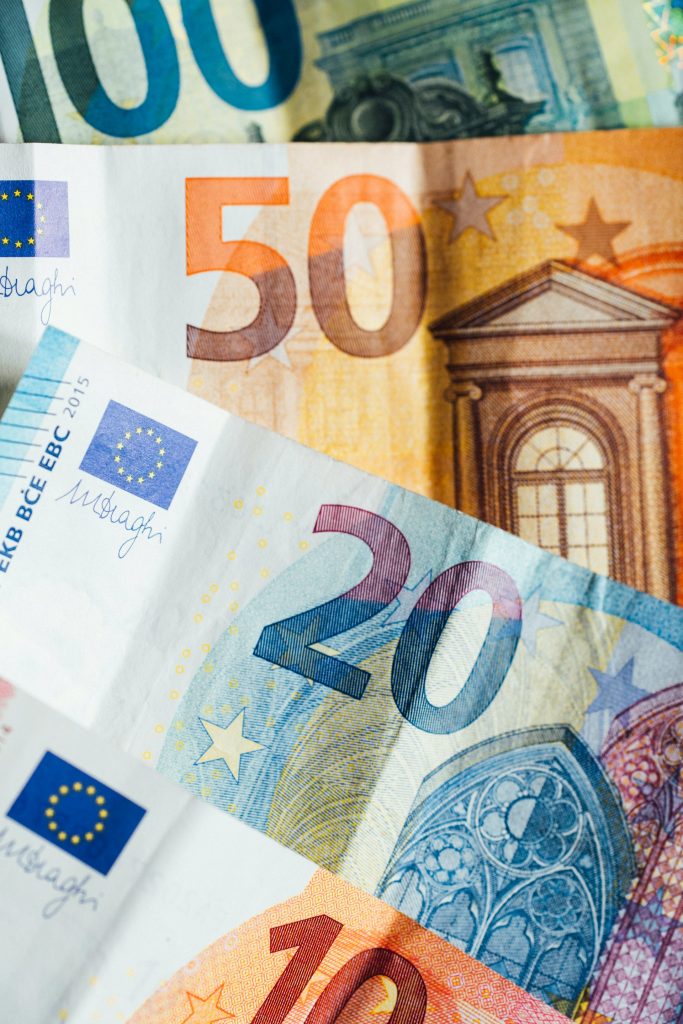
At the same time, tourist heavy areas can feel slightly different. Some restaurants in central districts quietly rely on the fact that visitors may follow higher tipping habits from abroad and leave 10 to 15 percent. In very touristy spots, staff may even ask directly whether you would like to add a tip. This can feel unexpected, but it does not mean you are obliged to leave one. In most everyday situations, tipping culture in Vienna remains modest and largely optional.
Restaurants in Vienna: The Main Scenario
For most visitors, restaurants are where tipping feels the most uncertain. This is also the setting where local customs matter the most, so the first step is always simple: look at the bill carefully before deciding whether to leave anything extra.
Check the Bill First
In Vienna, service is usually already reflected in menu prices, which is why you will rarely see a clearly listed service charge. Still, it is worth scanning the bill for wording that suggests something has been added. Unlike in some countries, however, the absence of a service line does not automatically mean a tip is expected.
If you notice that service is explicitly included, there is no need to add anything further. Even without a written charge, many locals treat the listed price as final unless the service stood out in a positive way. This is one of the key differences for travellers trying to understand tipping culture in Vienna.
If Nothing Is Included
When no service element is mentioned, the most common approach is rounding rather than calculating a percentage. Instead of asking how much to tip in Vienna in strict numerical terms, locals typically adjust the final amount slightly upward. For example, a bill that ends in an uneven figure may simply be rounded to the next convenient number.
If the service felt particularly warm, attentive, or personal, adding a small extra amount is a natural gesture. In more formal restaurants, some visitors choose to stay closer to a modest percentage, but this is still flexible and far from mandatory. In everyday dining, rounding up remains the dominant habit.
Tourist Areas and Expectations
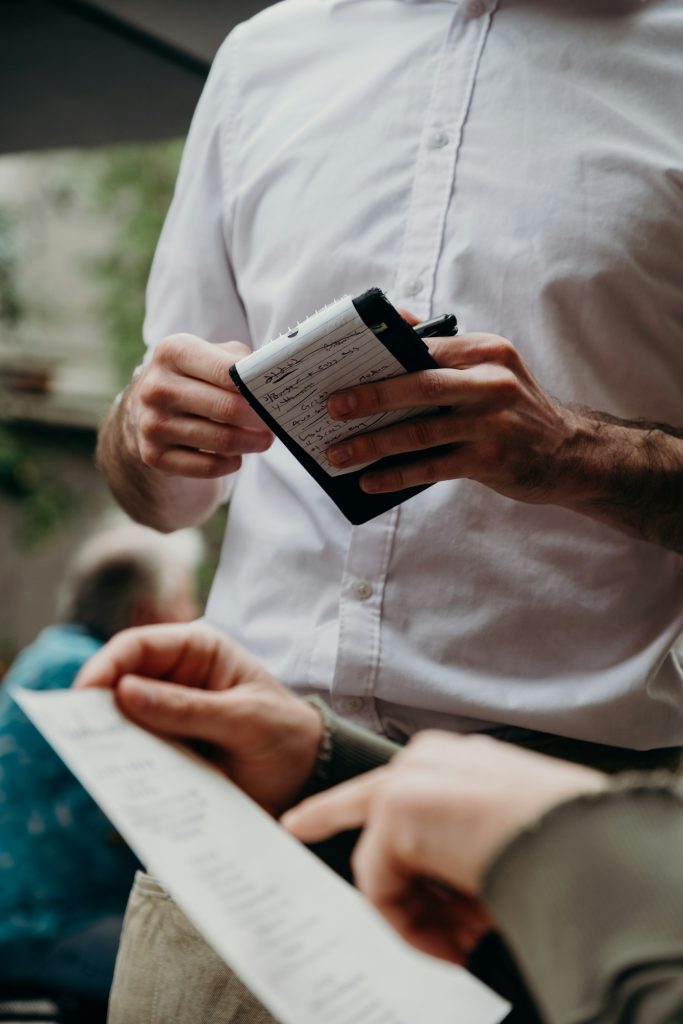
In tourist focused areas, you may notice a subtle shift in expectations. Some restaurants assume that visitors are more familiar with higher tipping norms and may leave 10 to 15 percent. Occasionally, staff might ask if you would like to include a tip when processing the payment. This can feel unusual, but it is still a choice rather than an obligation.
Another local detail is how the tip is given. In traditional settings, it is common to state the final total when paying rather than leaving coins on the table. For example, you may round the bill verbally when handing over cash or confirming a card payment. This small cultural nuance reflects how tipping in Vienna often feels integrated into the payment itself rather than treated as a separate step.
How to Leave a Tip in Vienna
Once you decide to leave something extra, the process in Vienna is usually simple but slightly different from what some travellers expect. The key distinction is that tipping is often integrated into the payment itself rather than added as a separate step afterward.
In more traditional settings, especially when paying in cash, it is common to state the final total directly. Instead of handing over the exact amount and leaving coins behind, you simply round the sum verbally when giving the money. This approach reflects a long standing local habit and is still widely recognised across cafés and restaurants.
Card payments are now common across Vienna, but the tipping flow can feel less standardised than in countries with preset terminal prompts. Some machines allow you to enter a custom amount, while others process the payment without a built in tipping option. In these cases, travellers may feel unsure whether a tip is expected, but in most situations it remains entirely optional.
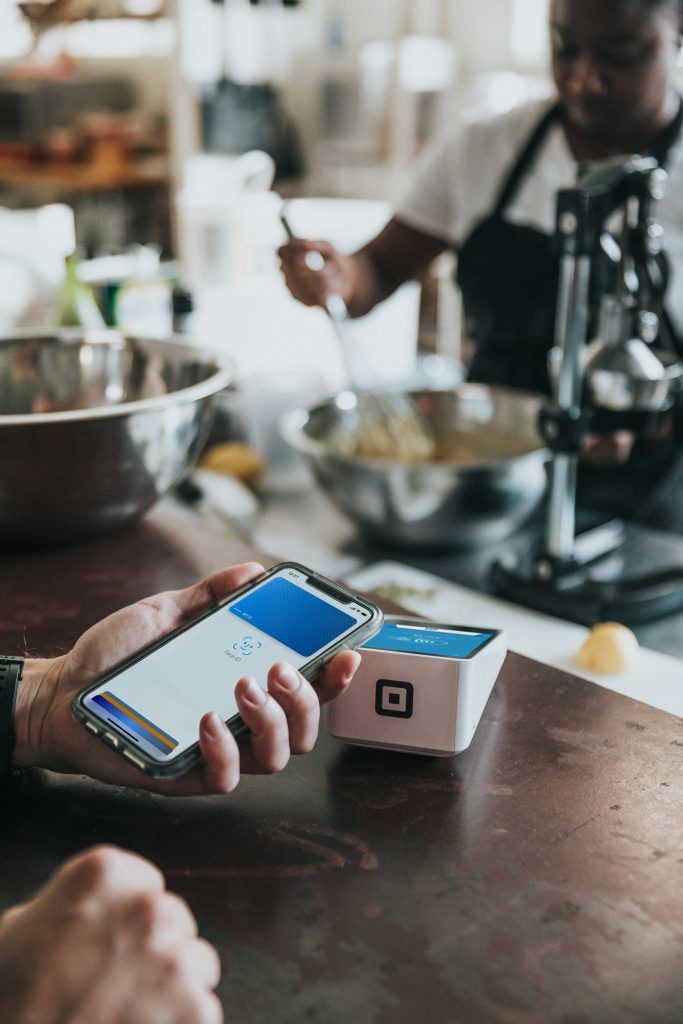
Cash can still be the easiest way to follow local etiquette, particularly if you want to round the total naturally. Many locals prefer this method because it keeps the interaction simple and direct. If you do pay by card and still want to leave something small, you can round verbally before the transaction or leave a few coins afterward.
Unlike in places where tipping involves visible percentages or multiple steps, the Viennese approach stays low key. The focus is less on how the tip is technically added and more on whether you feel the service deserves a small gesture of appreciation.
Cafés and Quick Bites
In cafés and casual food spots across Vienna, tipping expectations are noticeably lower than in full service restaurants. If you order at the counter, collect your coffee yourself, and have minimal interaction beyond payment, leaving a tip is generally not expected. Paying the listed price is completely normal in this setting.
Vienna has a strong coffeehouse tradition, but that does not automatically mean higher tipping pressure. Even in historic cafés, the decision to leave something extra depends more on the style of service than on the atmosphere. If you are seated and receive attentive table service, rounding up the bill can feel appropriate, but it remains a gesture rather than a rule.
You may occasionally see a small tip jar near the register in modern cafés or takeaway focused spots. Dropping in some coins is optional and usually done as a friendly thank you rather than out of obligation. Most locals do not calculate percentages for takeaway coffee or quick snacks.
If staff bring food to your table, check in regularly, or provide a more personalised experience, rounding up the total slightly is a natural response. In everyday coffee or bakery stops, however, tipping culture in Vienna stays modest and largely optional.
Bars and Pubs in Vienna
Tipping practices in Vienna’s bars and pubs are generally relaxed and straightforward. If you order drinks directly at the bar, which is common in many casual venues, leaving a tip is not expected. Most people simply pay the stated amount and move on, especially when ordering a single drink.
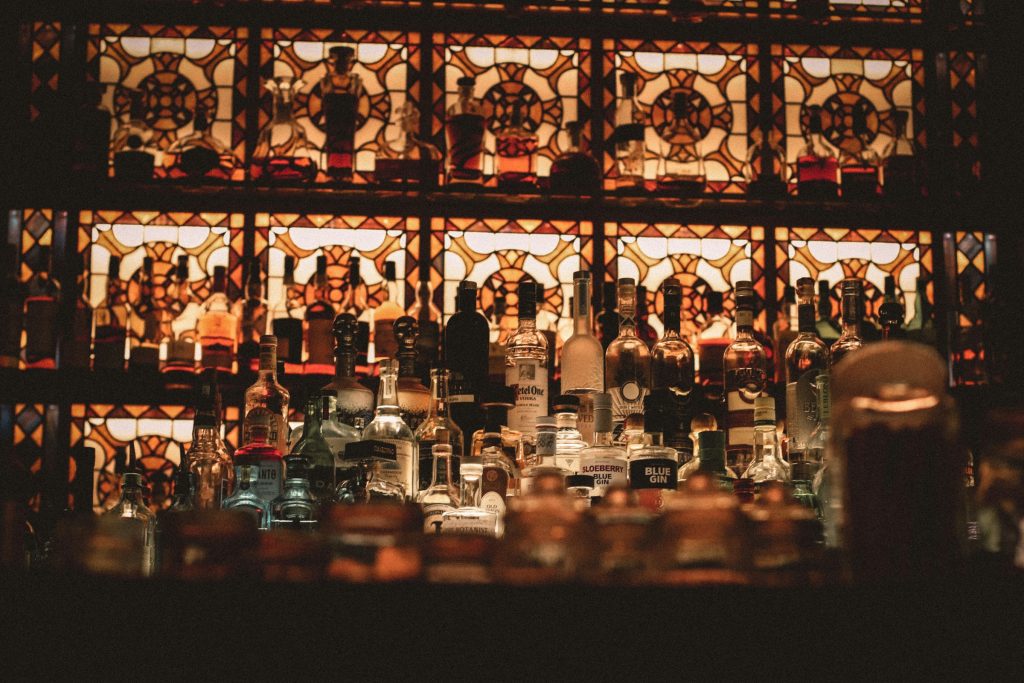
In busy beer halls, wine bars, and late night spots, service tends to be fast and informal. The system does not rely on tips for each transaction, and adding a percentage every time would feel unusual in local terms. This is one of the clearest examples of how tipping culture in Vienna differs from countries with stronger gratuity traditions.
Some customers choose to round up slightly when paying, particularly if ordering multiple drinks or receiving especially friendly service. The gesture is usually small and spontaneous rather than calculated. It reflects appreciation in the moment rather than following a fixed tipping norm.
If you are seated and receive table service, which happens in certain bars or more traditional taverns, rounding up the bill can feel appropriate. Even then, the approach remains modest and flexible. A small adjustment to the total is more typical than leaving a visible percentage.
You might occasionally notice a tip jar near the counter in modern venues. Contributing is entirely optional, and many locals simply ignore it. Compared to places where bartenders depend heavily on gratuities, Vienna’s bar culture remains low pressure when it comes to tipping.
Hotels and Accommodation
In hotels across Vienna, tipping is situational rather than expected as part of every interaction. Routine moments such as check in, asking for directions, or brief conversations at reception do not require any extra payment. Most standard services are already included in the price of the stay.
Tipping becomes more relevant when the service is clearly personal. If a porter helps with luggage, a small amount as a thank you for the specific assistance is appropriate. The gesture is usually tied to the action rather than the overall hotel experience.
Housekeeping tips are optional and depend on personal preference. Some travellers choose to leave a small amount at the end of their stay or over several days if the room has been consistently well maintained. Others do not leave anything at all, and both approaches are widely accepted in Vienna.
Concierge services follow a similar logic. If the help goes beyond simple recommendations and involves securing difficult reservations or solving a complicated issue, leaving something extra can feel appropriate. For everyday advice, however, tipping is not expected.

Overall, hotel tipping culture in Vienna remains modest and based on visible effort. Gratuities tend to reflect personalised assistance rather than forming a structured or automatic system.
Taxi, Ride Share and Transfers
When using taxis in Vienna, tipping follows the same practical logic seen across other services. Most passengers simply round up the fare rather than calculating a fixed percentage. If the total ends in an uneven number, adjusting it to a convenient figure is a common and natural approach.
Adding a small extra amount for friendly or helpful service is appreciated but not required. Drivers are paid standard fares, so tipping is treated as a gesture rather than an obligation. For short rides or everyday trips, rounding up is usually more than enough.
If you book through a ride share app, tipping is typically optional and handled digitally after the trip. Many travellers choose not to add anything unless the experience felt especially smooth or the driver went out of their way to help with luggage or directions.
There are also situations where leaving no tip feels completely acceptable. If the ride felt rushed, uncomfortable, or unnecessarily expensive, not adding anything extra aligns with local norms. Tipping culture in Vienna tends to reward positive experiences rather than follow automatic rules.
For airport transfers or longer journeys, some passengers leave a slightly higher rounded amount, especially if the driver provides assistance with bags or helpful local advice. Even then, the emphasis remains on practicality rather than strict percentages.
Tours and Activities
For guided experiences in Vienna, tipping expectations depend largely on the format of the activity. On paid group tours, leaving something extra for an engaging and knowledgeable guide is appreciated but not required. Many travellers choose to offer a small amount if the guide provided clear explanations, helpful context, or added personal insight to the experience.
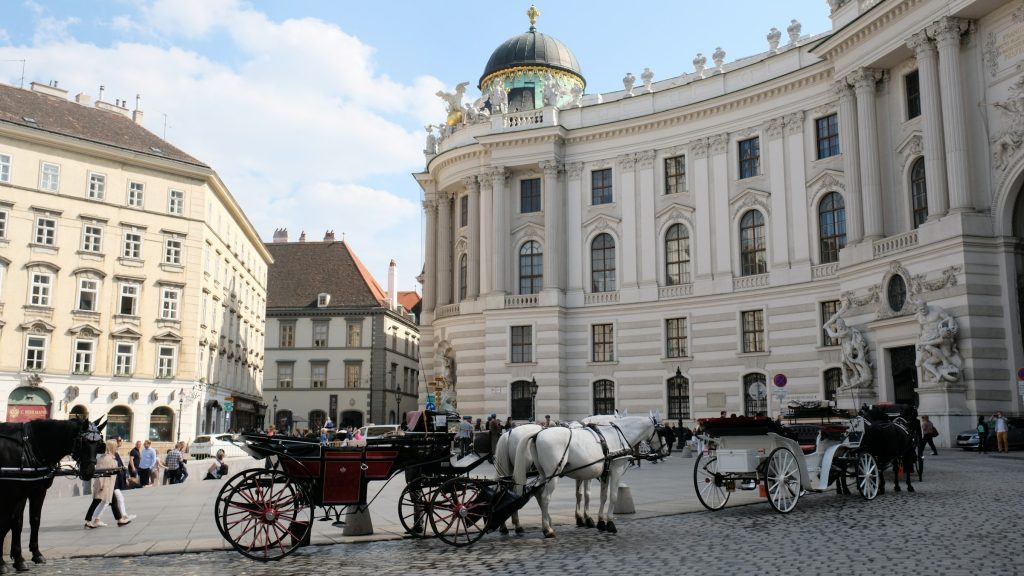
Free walking tours follow a different logic. Although there is no upfront ticket price, guides usually rely on voluntary contributions at the end. In this case, the tip effectively becomes the main form of payment, and the amount typically reflects the length, depth, and overall quality of the tour. This is one of the few situations where tipping plays a more central role.
For private tours or specialised experiences, the decision depends on how personalised the service feels. If the guide adapts the route, shares unique recommendations, or goes beyond the standard itinerary, leaving something extra can feel appropriate. If the experience feels routine, tipping remains optional.
Where and how to leave the tip is usually straightforward. Most guides accept cash at the end of the tour, though some may mention digital options. As with other services, tipping culture in Vienna stays flexible, with the main exception being free tours where contributions are more expected.
Common Tourist Mistakes in Vienna
One of the most common mistakes is tipping as if local rules were the same everywhere. Travellers coming from countries with strong tipping cultures sometimes leave 10 to 20 percent automatically, even though this is not typical in Vienna. While generosity is appreciated, such amounts often exceed local norms.
Another frequent issue is not checking the context before tipping. In many Viennese restaurants, service is already reflected in menu prices, so adding a large extra amount out of habit can lead to unnecessary over tipping. Taking a moment to understand the local approach helps avoid paying more than intended.
Tourist areas can also create confusion. Some venues in central districts may subtly encourage higher tips or ask directly whether you would like to add one. Visitors sometimes assume this means a tip is expected. In reality, the choice remains yours, and declining politely is completely acceptable.
Leaving tips in foreign currency is another small but practical mistake. Even if the gesture is well intentioned, staff may not be able to use the money easily. If you prefer tipping in cash, using euros keeps things simple and avoids inconvenience.
Finally, some travellers feel uncomfortable asking how tipping works locally. In Vienna, clarifying whether something is included or how payment works is not considered rude. A quick question can prevent confusion and make the experience smoother.
Quick Checklist Before You Pay
- Check the bill and remember that service is usually already reflected in prices.
- If nothing extra is included, rounding up the total is the most common local approach.
- In tourist areas, do not feel pressured to leave a percentage if it does not feel natural.
- At counters, cafés, and bars, tipping is often unnecessary.
- In hotels, leave something only for clear personal assistance such as luggage help or special arrangements.
- For taxis, simply rounding up the fare is usually enough.
- Keep small euro coins or notes if you prefer tipping in cash.
A quick mental check like this makes it easier to navigate tipping culture in Vienna without overthinking every payment.
Keeping It Simple in Vienna
Tipping in Vienna is guided more by balance than by obligation. It is not built into wages in the same way as in countries with strong tipping traditions, and in most everyday situations leaving something extra is simply a sign of appreciation rather than a requirement. Once you understand that gratuities are optional, the process feels far less stressful.
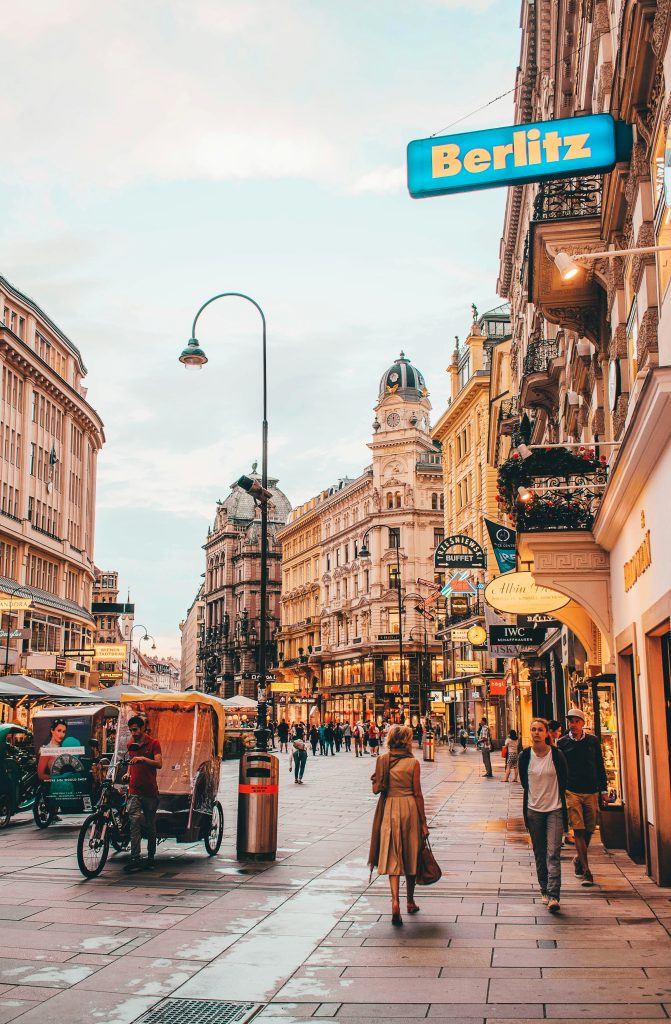
Restaurants are where tipping appears most often, usually in the form of rounding up rather than leaving a visible percentage. In cafés, bars, taxis, and hotels, the decision depends largely on the level of personal service. Small gestures tend to feel more natural than strict calculations.
Tourist areas can sometimes create mixed signals, especially when visitors are asked directly about adding a tip. Even in these moments, it helps to remember that you are not expected to follow unfamiliar norms. Local tipping culture in Vienna remains modest and flexible.
With a quick glance at the bill and a practical mindset, navigating tipping in Vienna becomes straightforward. The goal is not to follow rigid rules, but to match your gesture to the experience you received and feel comfortable with the choice you make.